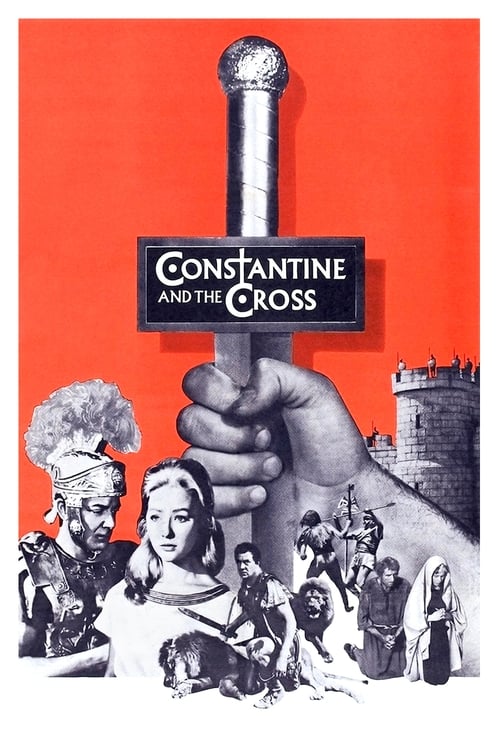
Constantine and the Cross
1961
No user ratings available yet
Diversity score: 2.4 out of 10

1907
Director
Sidney Olcott, Frank Oakes Rose
Runtime
15 minutes
Average Rating
No ratings yetSynopsis
The first adaptation of Lew Wallace's novel, Ben-Hur: A Tale of the Christ.
Overall Score
Limited
Category Breakdown
LGBTQ+ Representation
The film contains no evidence of non-cisnormative gender identities or same-sex narratives. It adheres strictly to the social structures of the Roman Empire and Judea.
Gender Representation
The narrative focuses on the agency of the male protagonist, Judah Ben-Hur. Female roles appear secondary to the central male-driven conflicts of enslavement and redemption.
Racial & Ethnic Diversity
The story centers on the friction between a Jewish protagonist and Roman imperial hegemony. It introduces early themes of ethnic identity through resistance to an occupying force.
Religious & Cultural Diversity
The film is deeply rooted in religious tradition and the life of Christ. It prioritizes spiritual redemption and traditional morality over pluralistic or secular perspectives.
Disability Representation
There is no documented evidence of characters with physical or neurodivergent disabilities. No such characters are used as narrative devices in this version.
Strengths
Areas for Improvement
AI Analysis
This 1907 adaptation functions as a traditional historical epic. It establishes an early cinematic precedent for exploring ethnic identity by centering on Judean resistance to Roman occupation. However, the film remains bound by the conservative storytelling frameworks of the early 20th century. It relies heavily on traditional gender hierarchies and a singular religious moral framework. While it touches on systemic struggle through an ethnic lens, the lack of diverse identities and the focus on patriarchal structures result in a limited scope of representation.
1961
1943
1961
1962

1996
1962
1920
1960
1954
1949
1979
No reviews yet. Be the first to share your thoughts on this movie!
Use the rating form above to leave a star rating and optional review.