
Samson and Delilah
1996
No user ratings available yet
Diversity score: 3.0 out of 10
1962
Director
Robert Aldrich
Runtime
148 minutes
Average Rating
No ratings yetSynopsis
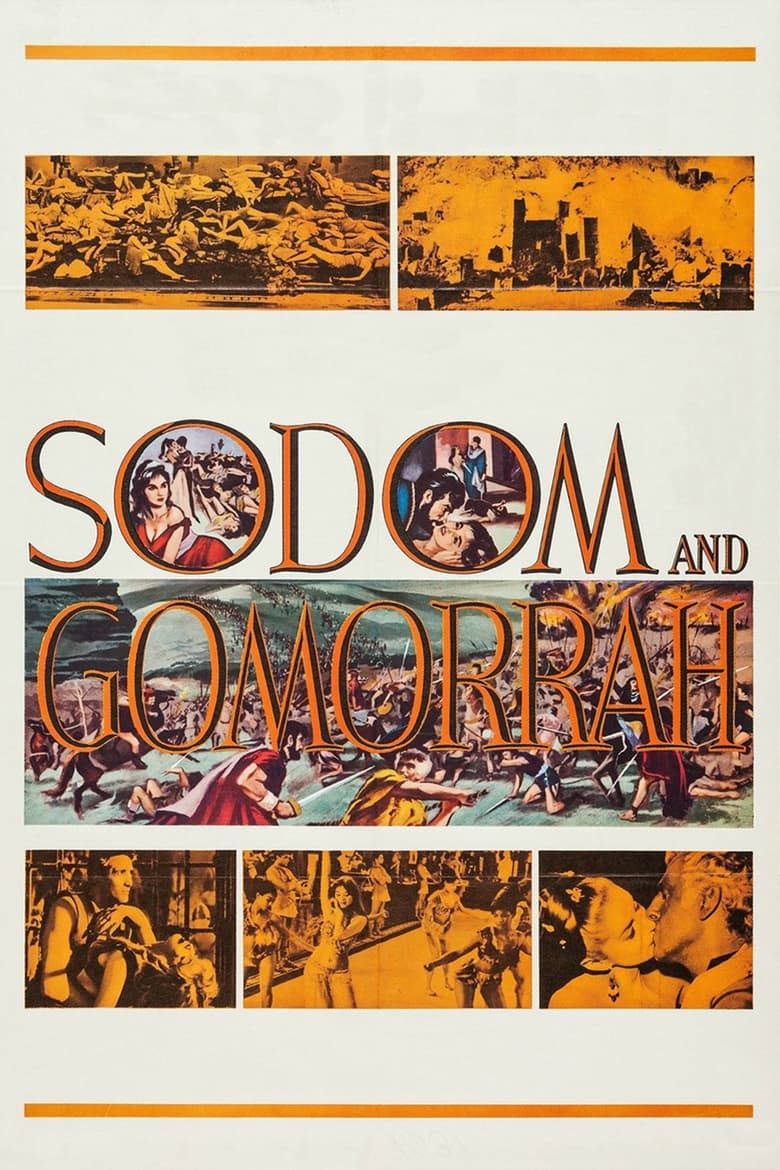
Lot leads his people to a fertile valley adjacent to the cities of Sodom and Gomorrah, hotbeds of vice and corruption ruled by the merciless Queen Bera. When Lot orders a dam to be busted in order to prevent the destruction of the cities by the attacking Helamites, the queen, in gratitude, allows Lot's people to settle in Sodom. Soon, however, the veneer of civilization begins crumbling as Lot and the Hebrews become corrupted by the Sodomites.
Overall Score
Limited
Category Breakdown
LGBTQ+ Representation
Same-sex attraction is used as a shorthand for moral decay and decadence. These depictions serve as narrative catalysts for divine destruction rather than nuanced character studies.
Gender Representation
The film operates within a patriarchal framework where female power is tied to sexual politics. Women primarily function as instruments of corruption or victims within male-driven conflicts.
Racial & Ethnic Diversity
Casting utilizes a Mediterranean-coded ensemble viewed through a Western lens. The production prioritizes a Eurocentric epic aesthetic over ethnographic accuracy or intersectional intentionality.
Religious & Cultural Diversity
The narrative reinforces traditional religious authority and divine retribution. It validates established biblical morality by framing social disorder as a failure to adhere to divine law.
Disability Representation
There are no prominent or meaningful depictions of visible or invisible disabilities that contribute to character depth or drive the plot.
Strengths
Areas for Improvement
AI Analysis
Robert Aldrich’s epic functions as a traditionalist reinforcement of 1960s moral and social hierarchies. The film utilizes marginalized identities not as lived experiences, but as narrative tools to justify the necessity of patriarchal and divine order. The production adheres to the sword-and-sandal genre's tendency to frame non-heteronormative behavior and female agency through the lens of sin and spectacle. This creates a world where deviation from established religious law is met with absolute retribution. Ultimately, the film lacks the intentionality to disrupt historical tropes, instead upholding the era's preference for Eurocentric aesthetics and moral absolutism.
1996
1961

1949

1961

1907

1991

1988

2016
No reviews yet. Be the first to share your thoughts on this movie!
Use the rating form above to leave a star rating and optional review.