King Richard and the Crusaders
1954
No user ratings available yet
Representation score: 1.8 out of 10
Representation Score
Limited
1960
Director
Aleksander Ford
Runtime
166 minutes
Average Rating
No ratings yetNew Showbiz Analysis
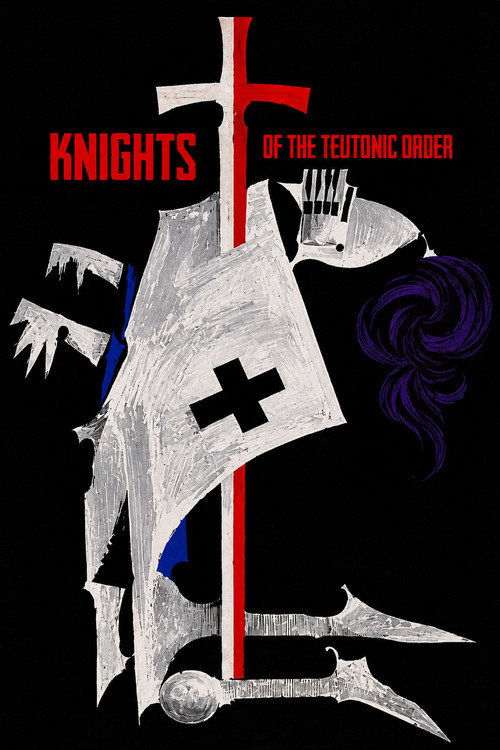
Knights of the Teutonic Order is a traditional historical epic that emphasizes nationalistic narratives and romantic heroism. It follows the structural norms of 1960s drama, focusing on chivalry and martial prowess. While the film provides a unique critique of religious institutions by depicting a military order as the antagonist, it remains conservative in its portrayal of identity. The story relies heavily on established gender hierarchies and regional ethnic homogeneity. Ultimately, the film serves as a period piece that reinforces conventional archetypes without challenging them through diverse representation.
Category Breakdown
The film focuses on traditional romantic relationships and does not depict any non-binary gender identities or same-sex relationships.
Female characters play important roles in driving emotions but have little control over their own destinies. The story emphasizes masculine pursuits such as war, honor, and leadership.
The cast is made up of actors representing the historical period, reflecting regional ethnic identities rather than a diverse mix of backgrounds.
The film criticizes religious institutions by portraying the Teutonic Knights as antagonists. It highlights the theme of resistance against oppressive centralized authority.
The narrative emphasizes the physical demands of warfare and does not show any characters with disabilities taking an active role.
Present on Screen
Limited or Absent
Official Synopsis
A tale of a young impoverished nobleman, who with his uncle returns from a war against the order of the Teutonic Knights in Lithuania. He falls in love with a beautiful woman and pledges an oath to bring her "three trophies" from the Teutonic Knights.
1954

1967
1965

1944
1974

1979
1969

1939
No reviews yet. Be the first to share your thoughts on this movie!
Use the rating form above to leave a star rating and optional review.