A Night to Remember
1942
No user ratings available yet
Representation score: 1.9 out of 10
Representation Score
Limited
1962
ApprovedDirector
Richard Quine
Runtime
123 minutes
Average Rating
No ratings yetNew Showbiz Analysis
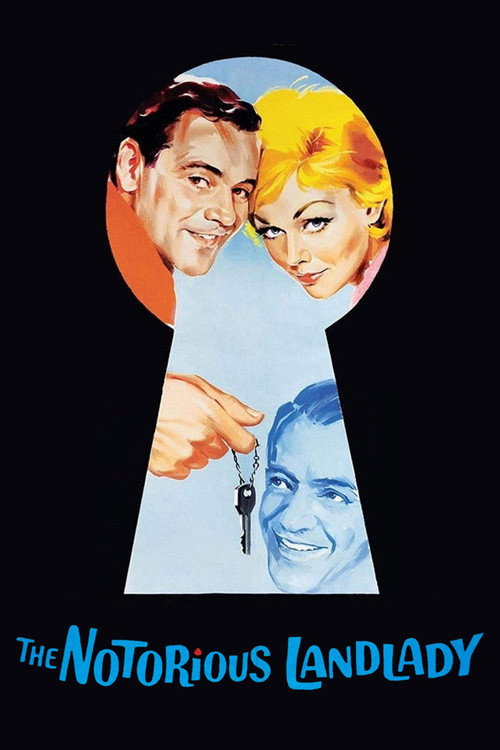
The Notorious Landlady is a classic mid-century farce that upholds traditional social and demographic hierarchies. While the central female lead offers a minor deviation from passive female roles, the film remains firmly grounded in the conventional narrative structures of the early 1960s. The production lacks complexity in its portrayal of diverse racial, cultural, and LGBTQ+ perspectives. It reinforces established social norms without challenging them.
Category Breakdown
The film sticks to traditional heterosexual relationships and does not include any characters with LGBTQ+ identities.
Kim Novak’s character challenges the typical female role by exerting authority over her tenants, but her actions are framed through comedic mystery clichés rather than a serious critique of societal norms.
The cast reflects the homogeneous demographics typical of mid-century cinema, with a setting that remains predominantly Anglo-centric and middle-class without significant racial diversity or non-white characters taking center stage.
The narrative follows conventional mid-century social norms and does not engage with religious skepticism or the deconstruction of Western institutions.
There are no characters with visible or invisible disabilities in the film, and it does not use disability as a central theme or character-driven arc.
Present on Screen
Limited or Absent
Official Synopsis
An American junior diplomat in London rents a house from, and falls in love with, a woman suspected of murder.
1942
1944
1985
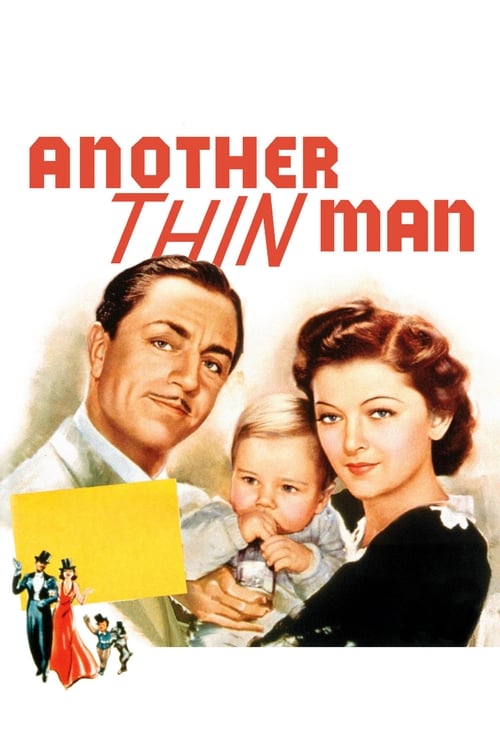
1939
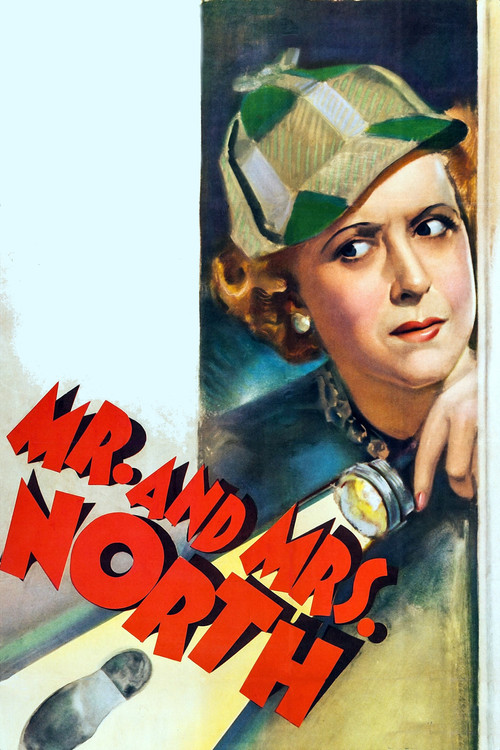
1942
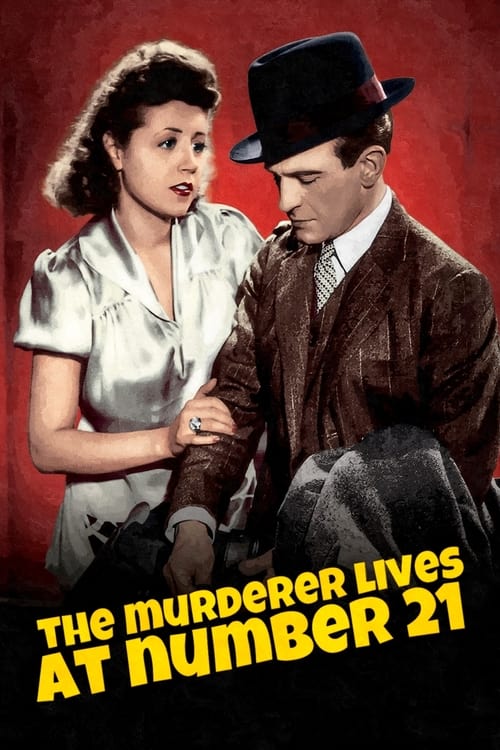
1942
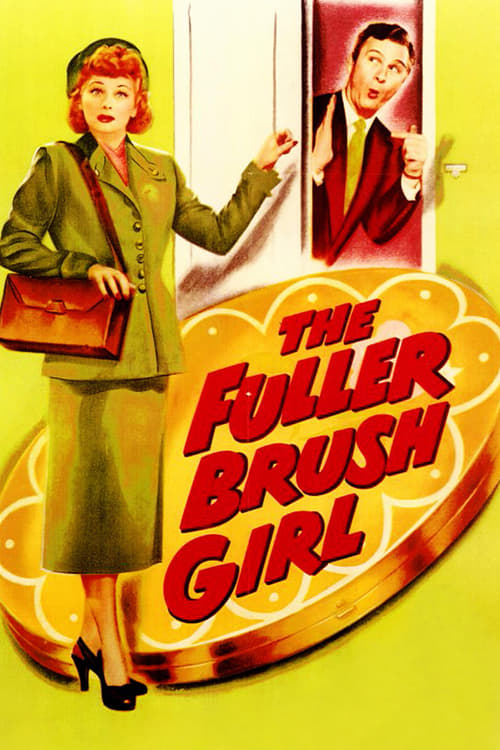
1950

1964
No reviews yet. Be the first to share your thoughts on this movie!
Use the rating form above to leave a star rating and optional review.