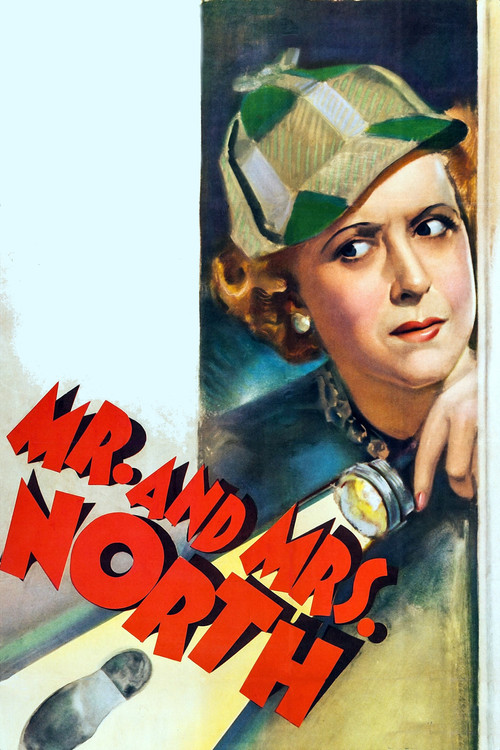
Mr. and Mrs. North
1942
No user ratings available yet
Representation score: 1.6 out of 10
Representation Score
Minimal
1942
NRDirector
Richard Wallace
Runtime
88 minutes
Average Rating
No ratings yetNew Showbiz Analysis
A Night to Remember is a conventional mystery-comedy that adheres strictly to the social and cinematic norms of the early 1940s. The film prioritizes genre-driven plot progression over exploring diverse human experiences, reinforcing established social hierarchies. The production lacks complexity in representing multiple aspects of identity and does not challenge mainstream societal norms. It presents a culturally monolithic environment that maintains the status quo of Western institutional norms. Ultimately, the film serves as a period-specific piece that relies on traditional foundations rather than engaging with diverse identities or systemic power dynamics.
Category Breakdown
The film does not include any clear representation of LGBTQ+ identities or subtext. The character interactions follow traditional heterosexual norms typical of the 1940s.
Although the female protagonist starts the action, the story focuses on the male lead’s career development. The film upholds the gender roles and domestic responsibilities of the mid-20th century.
The cast and setting show a uniform demographic typical of early 1940s films. There is no representation of racial diversity or non-Anglo-Saxon characters taking significant roles.
The story follows traditional Western social norms and supports the idea of the nuclear family. It does not engage with critiques of capitalism or religion.
The film does not focus on neurodivergence or physical disabilities. Characters operate within a standard range of abilities without any characters with disabilities influencing the story.
Present on Screen
Limited or Absent
Official Synopsis
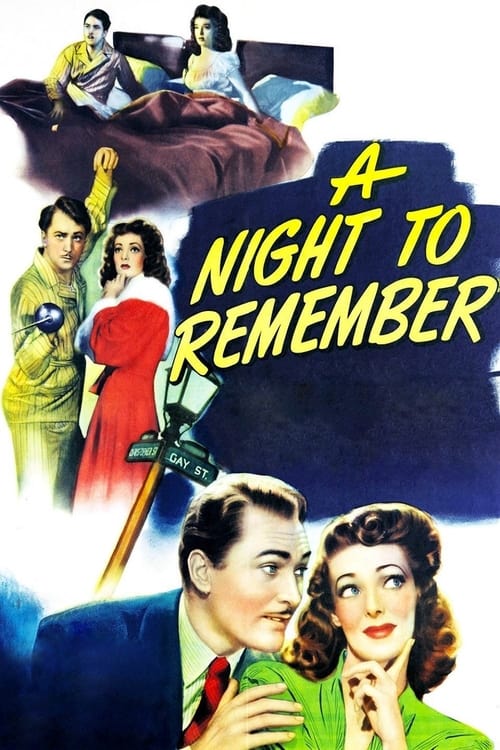
A woman rents a gloomy basement apartment in Greenwich Village thinking it will provide the perfect atmosphere for her mystery writer husband to create his next book. They soon find themselves in the middle of a real-life mystery when a corpse turns up in their apartment.
1942
1944
1962
1939

1932
1941

1935

1934
No reviews yet. Be the first to share your thoughts on this movie!
Use the rating form above to leave a star rating and optional review.