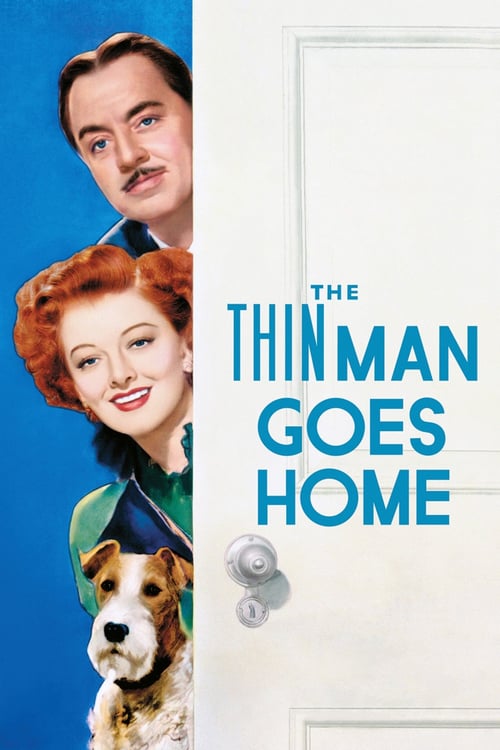
The Thin Man Goes Home
1944
No user ratings available yet
Representation score: 1.7 out of 10
Representation Score
Limited
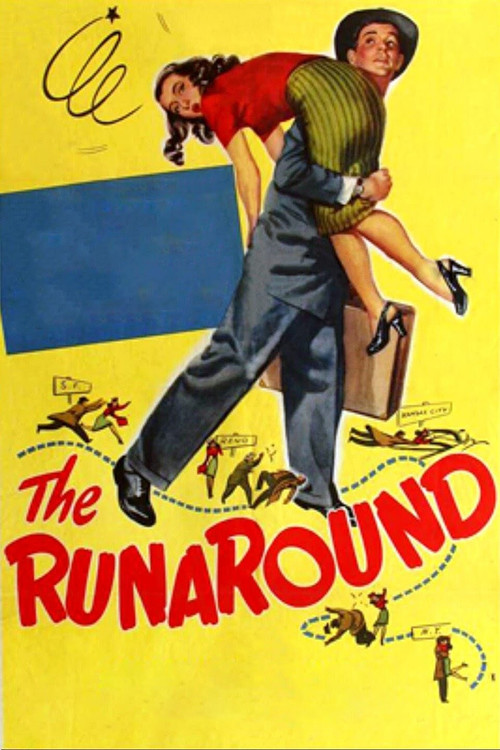
1946
ApprovedDirector
Charles Lamont
Runtime
86 minutes
Average Rating
No ratings yetNew Showbiz Analysis
The Runaround is a classic 1940s studio comedy that adheres to the conventional clichés of its time. The narrative is driven by a male-centric competition, which limits the ability to act of the female lead and reinforces traditional gender hierarchies. Socially, the film upholds the post-war status quo, focusing on preserving an heiress's marital status and inheritance, thus reinforcing straight-centered courtship patterns. Ultimately, the film lacks intentional efforts to introduce diverse perspectives or disrupt social hierarchies, serving as a standard genre piece reflecting the homogeneous casting and traditional values typical of mid-century Hollywood.
Category Breakdown
The film focuses on a competition to return an heiress to New York unmarried, emphasizing traditional courtship and reinforcing straight-centered social expectations.
The heiress is positioned as a prize in a competition between two men, limiting her active role and ability to act in the story.
Reflecting the era of 1946, the film likely features homogeneous casting with no indication of significant racial or ethnic diversity.
The story upholds mid-century Western values, focusing on the protection of inheritance and social order, reinforcing institutional stability.
There is no information provided about the inclusion of characters with disabilities, either visible or invisible.
Present on Screen
Limited or Absent
Official Synopsis
Two private eyes compete to find an heiress and bring her back, unmarried, to New York.
1944
1939
1939
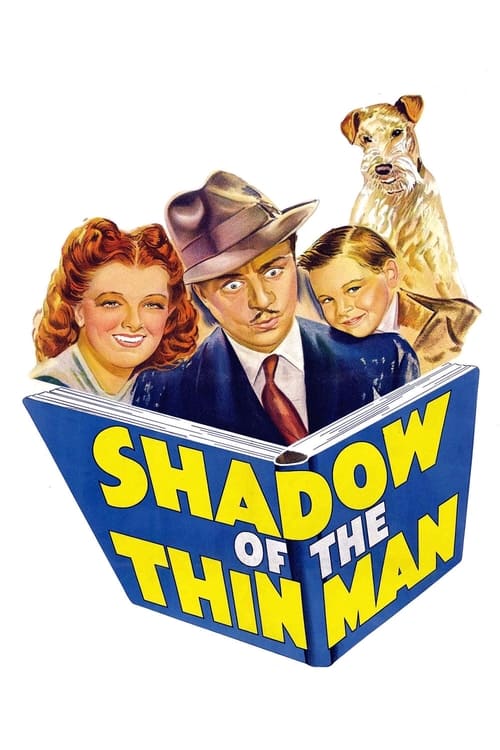
1941
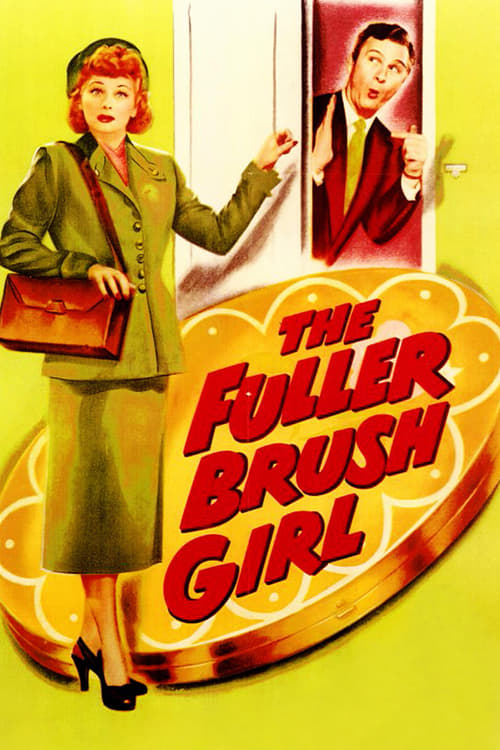
1950
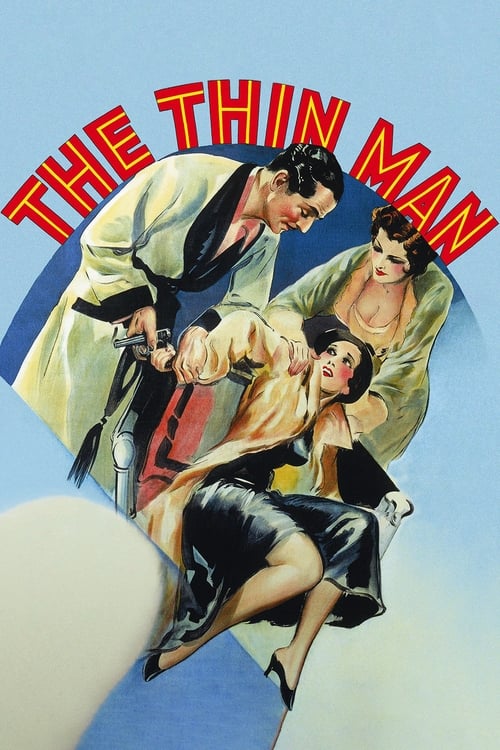
1934
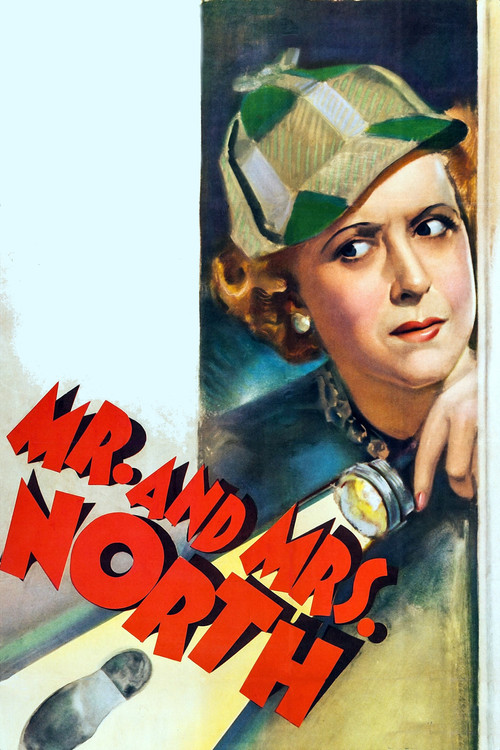
1942
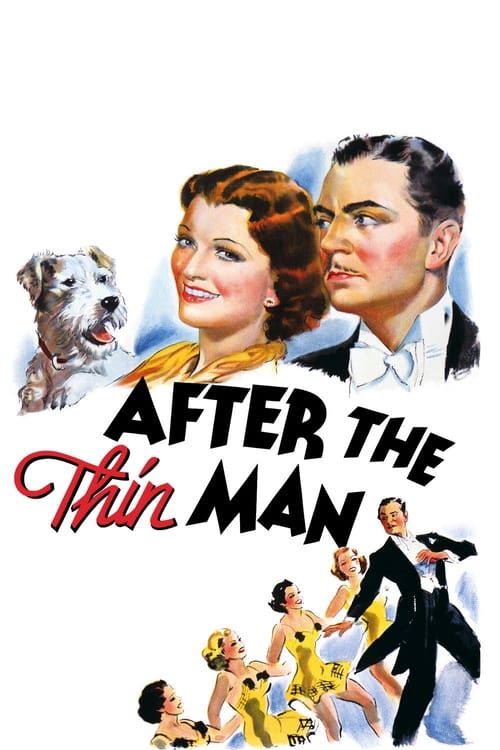
1936
No reviews yet. Be the first to share your thoughts on this movie!
Use the rating form above to leave a star rating and optional review.