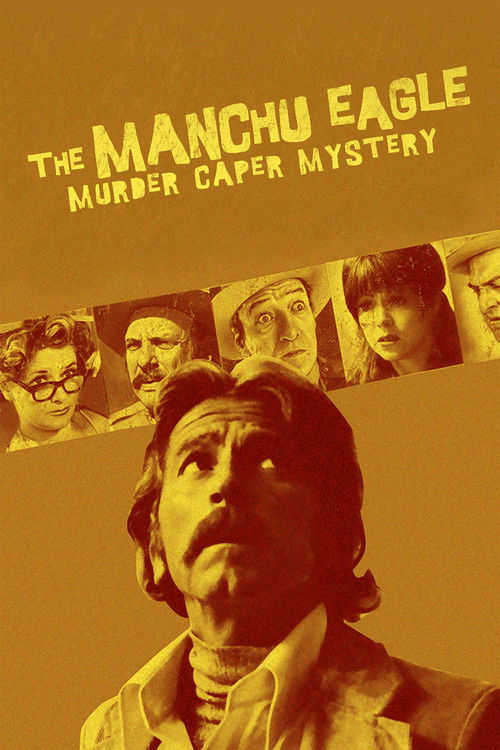
The Manchu Eagle Murder Caper Mystery
1975
No user ratings available yet
Representation score: 2.4 out of 10
Representation Score
Limited
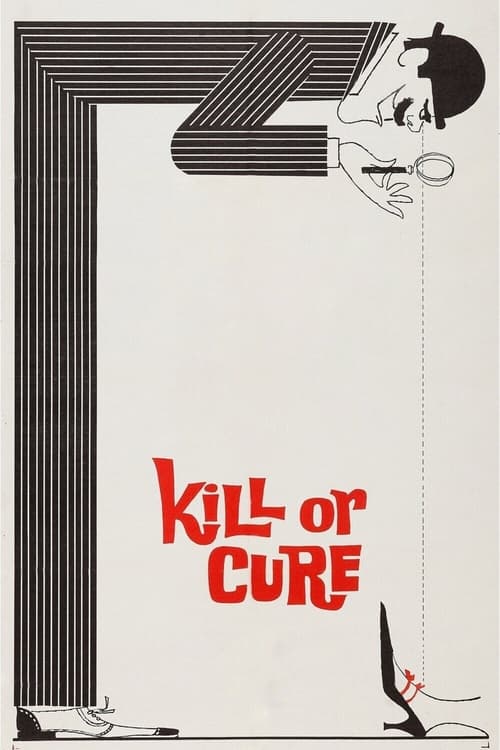
1962
TV-PGDirector
George Pollock
Runtime
88 minutes
Average Rating
No ratings yetNew Showbiz Analysis
Kill or Cure is a traditional mid-century British mystery-comedy that adheres closely to the social and demographic norms of 1962. The film focuses on a private investigator and maintains the status quo without disrupting established hierarchies. The narrative does not intentionally address diverse identities or challenge power dynamics, instead reinforcing the cultural norms of its time.
Category Breakdown
The film does not include any identifiable LGBTQ+ characters or queer subtext.
Female characters are present but play minor roles that conform to traditional gender roles of the 1960s.
The cast lacks notable racial or ethnic diversity, reflecting the homogeneous society of British productions from that era.
The story follows established social institutions without challenging Western norms, reinforcing contemporary social hierarchies.
Medical conditions are used mainly as plot devices without providing deeper character development for individuals with disabilities.
Present on Screen
Limited or Absent
Official Synopsis
A private eye is hired to go undercover at a health farm, but before he can find out why his client is murdered.
1975
1944
1950
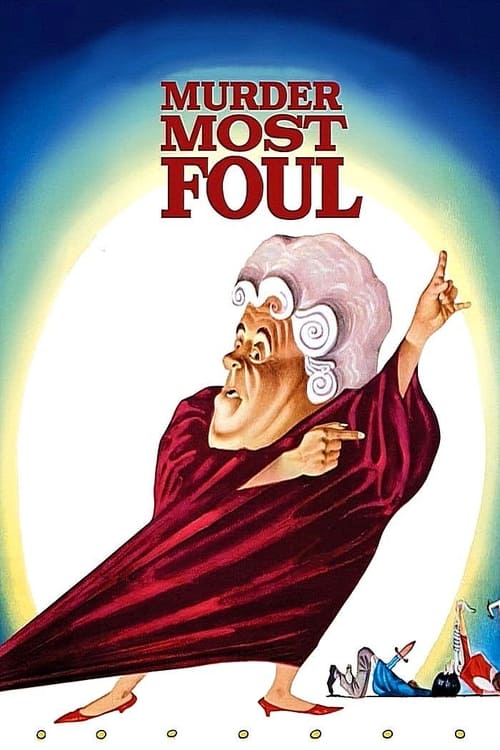
1964
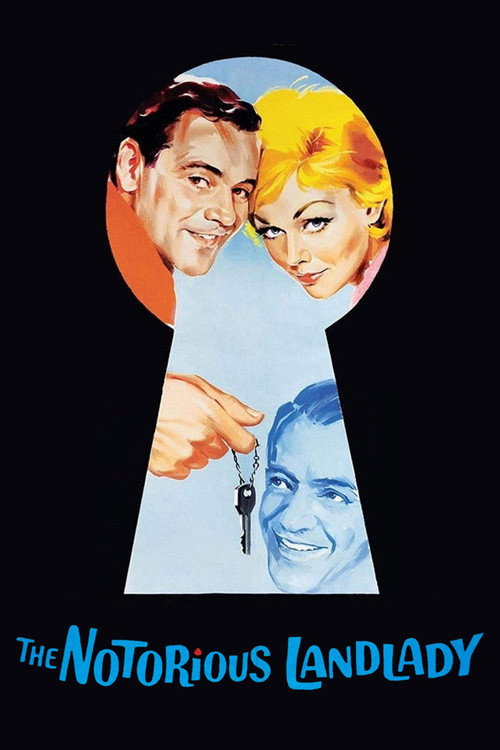
1962
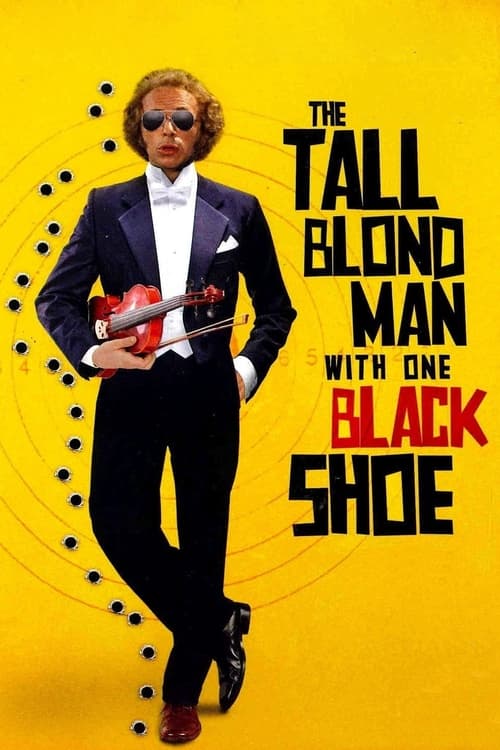
1972
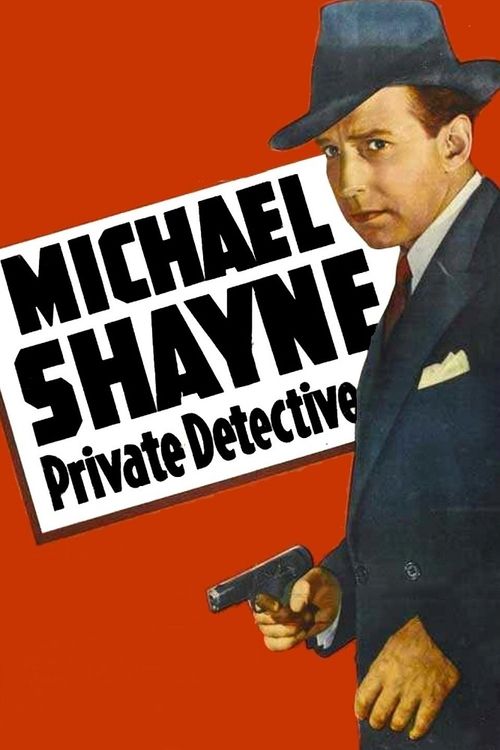
1940
1961
No reviews yet. Be the first to share your thoughts on this movie!
Use the rating form above to leave a star rating and optional review.