The Man in the Raincoat
1957
No user ratings available yet
Diversity score: 3.0 out of 10
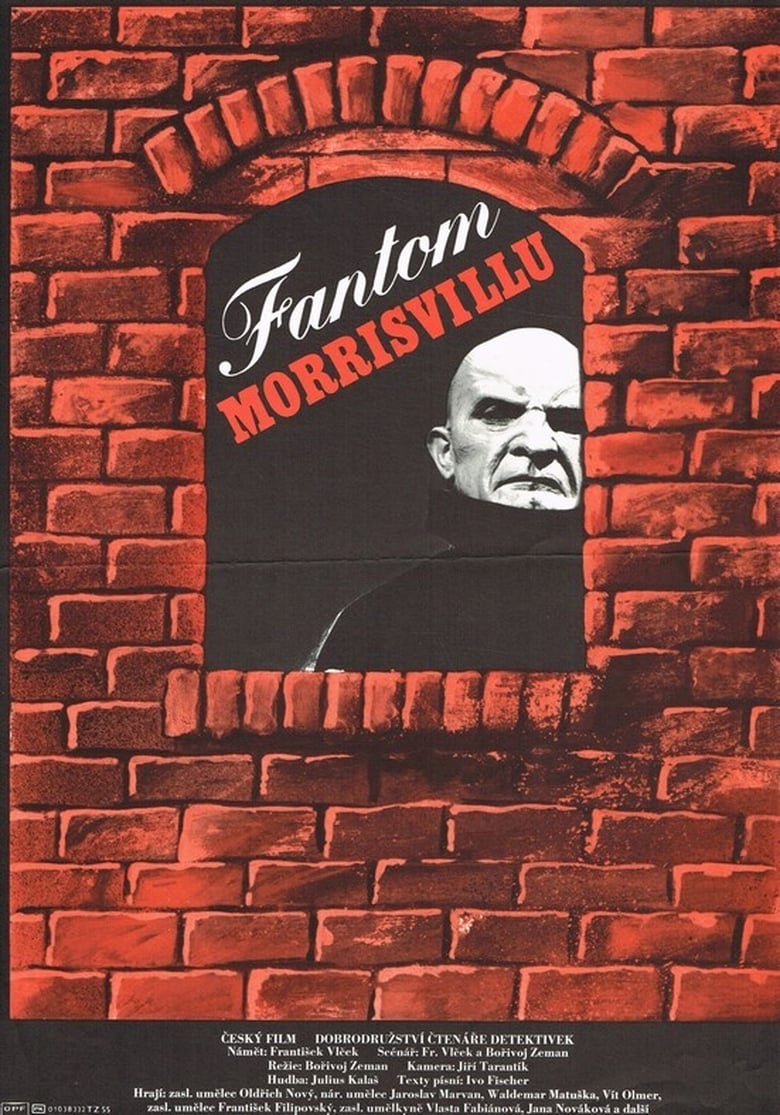
1966
Director
Bořivoj Zeman
Runtime
89 minutes
Average Rating
No ratings yetSynopsis
Inspector Brumpby (Jaroslav Marvan) and the young crime reporter Allan Pinkerton (Vít Olmer) attend wedding of Sir Hannibal Morris (Oldrich Nový) with beautiful Clarence (Kveta Fialová). After the ceremony, Clarence's ex-husband, criminal Manuel Diaz (Waldemar Matuska), who was believed dead, shows up in her room. He wants to get his hands on Clarence and, most importantly, on the money she would inherit in the eventuality of her new husband's death. Diaz makes attempts on Hannibal's life. He knows his way about an underground labyrinth in the château and the traps he sets up for Hannibal seem to work, since Hannibal is apparently found dead after an explosion in the labyrinth, after which his body vanishes. The inspector tries to solve the countless mysteries. In this, he is joined by Allan, always ahead of the man of the law in his estimation and judgment of the situation.
Overall Score
Limited
Category Breakdown
LGBTQ+ Representation
The film follows a traditional romantic structure centered on a wedding. There is no evidence of same-sex intimacy or non-cisnormative identities.
Gender Representation
Male characters drive the plot, while Clarence's role appears centered on her beauty and inheritance. The narrative leans toward traditional patriarchal dynamics.
Racial & Ethnic Diversity
The setting is Western-centric, featuring a character named Manuel Diaz. It is unclear if this represents nuanced ethnicity or a common foreign criminal trope.
Religious & Cultural Diversity
The story utilizes conventional tropes of aristocracy and legal authority. It focuses on restoring order through law enforcement rather than critiquing Western institutions.
Disability Representation
The available information contains no mention of characters with visible or invisible disabilities.
Strengths
Areas for Improvement
AI Analysis
The film operates within the standard cultural and social frameworks of 1960s European cinema. It relies on established mystery-comedy tropes that reinforce traditional hierarchies rather than subverting them. Narrative agency is largely concentrated among male characters, with women serving as catalysts for the plot's conflict. The lack of intersectional representation reflects the era's conventional storytelling patterns. While the presence of a character with a non-Anglo-Saxon name is noted, the film lacks broader evidence of diverse ethnic or cultural depth.
1957
1954
1981

1962
2020
2005
1939
1944
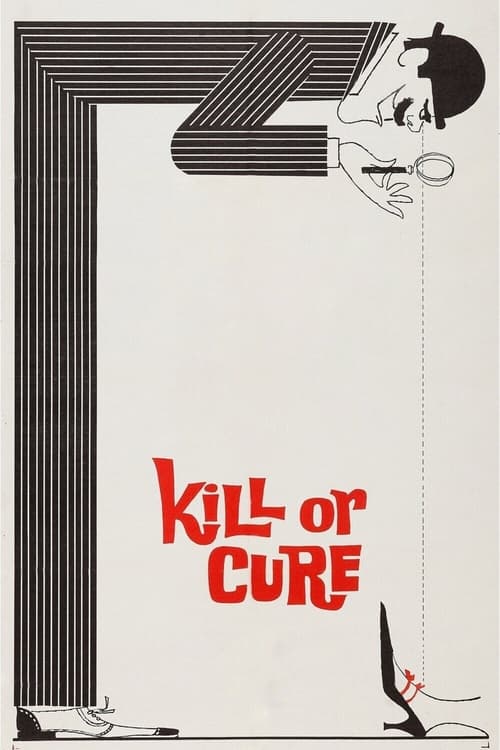
1962

1942
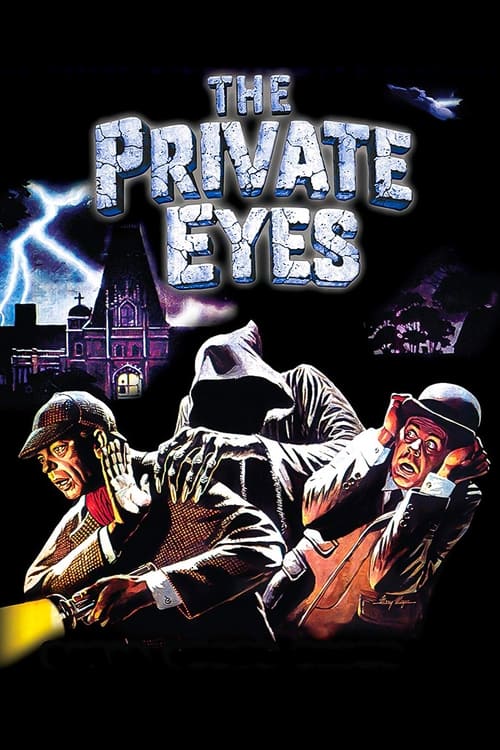
1980
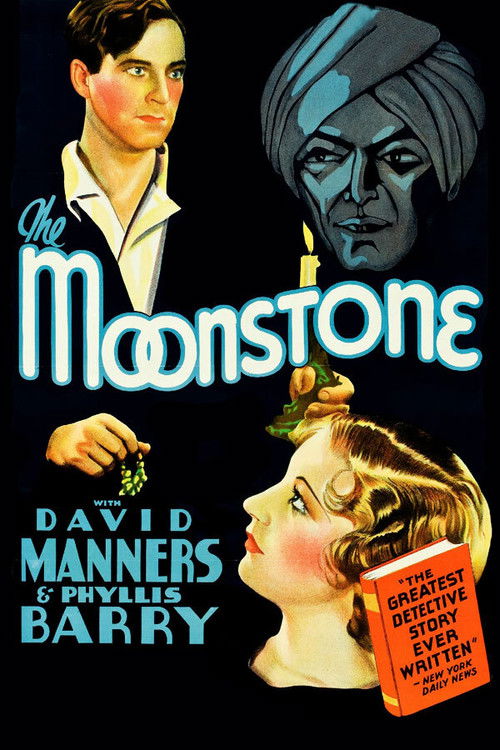
1934
No reviews yet. Be the first to share your thoughts on this movie!
Use the rating form above to leave a star rating and optional review.