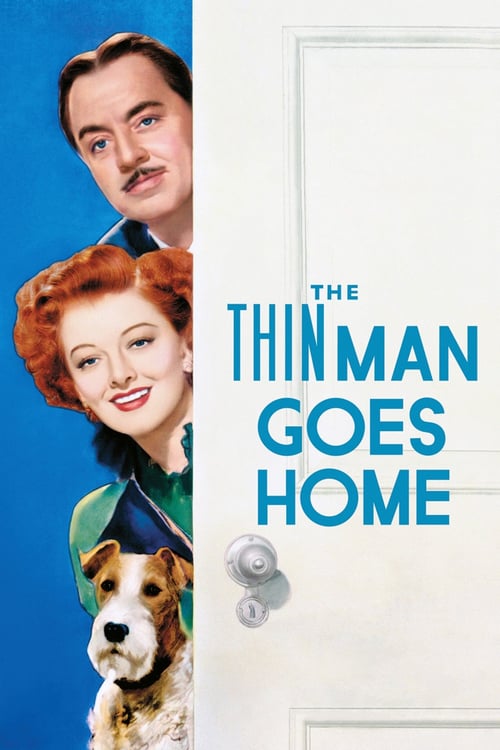
The Thin Man Goes Home
1944
No user ratings available yet
Representation score: 1.7 out of 10
Representation Score
Minimal
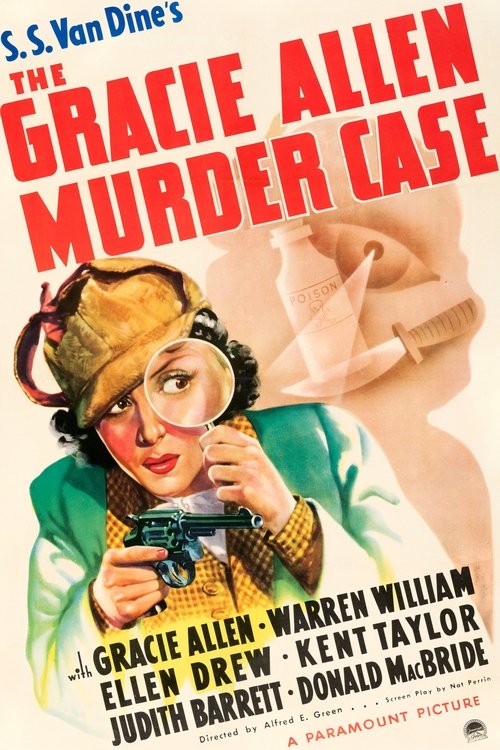
1939
NRDirector
Alfred E. Green
Runtime
78 minutes
Average Rating
No ratings yetNew Showbiz Analysis
This screwball comedy functions primarily as studio-era escapism, prioritizing comedic timing and class-based settings over the exploration of diverse identities. The narrative structure relies on established archetypes that reinforce rather than disrupt existing social hierarchies. The film lacks intentionality regarding diverse identities, focusing instead on the established rhythms of the genre. It operates within a traditional framework that maintains the social stability of the late 1930s. Ultimately, the work serves as a historical artifact of mainstream studio production, reflecting the homogeneous and conventional social norms of its time.
Category Breakdown
The film does not include any LGBTQ+ characters or narratives. Social interactions are strictly oriented towards straight relationships, following the standard 1930s cinematic conventions for romance and gender.
The narrative relies on the 'scatterbrain' cliché, centering female humor around perceived intellectual chaos. While Gracie Allen drives the plot, her role is framed through comedic incompetence rather than challenging patriarchal structures.
The film features a largely homogeneous cast typical of the era's studio system. There is no evidence of significant racial or ethnic diversity or characters from non-Anglo-Saxon backgrounds.
Set within a high-society environment, the film functions as escapist comedy that upholds the status quo. It does not critique Western institutions, capitalism, or traditional morality.
There are no visible or invisible disabilities portrayed within the narrative. Characters function within a standard range of physical and neurotypical presentations as defined by 1939 cinematic standards.
Present on Screen
Limited or Absent
Official Synopsis
Super-sleuth Philo Vance faces the zaniest case of his career when Gracie Allen "helps" him try to solve the murder of an escaped convict. As she attempts to clear the name of a friend accused of the killing, her wacky, scatterbrained ways constantly impede the investigation.
1944
1939
1942
1941
1950
1934

1942
1936
No reviews yet. Be the first to share your thoughts on this movie!
Use the rating form above to leave a star rating and optional review.