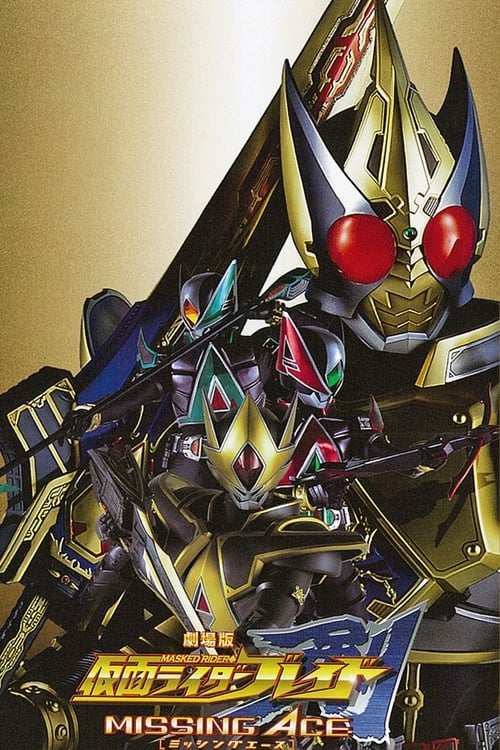
Kamen Rider Blade: Missing Ace
2004
No user ratings available yet
Representation score: 2.0 out of 10
Representation Score
Fair
2002
Director
Ryuta Tasaki
Runtime
78 minutes
Average Rating
No ratings yetNew Showbiz Analysis
Kamen Rider Ryuki: EPISODE FINAL is a quintessential early-2000s action film that emphasizes high-stakes conflict and traditional masculine archetypes. The narrative is driven by male-centric combat and competitive bonds, leaving little room for diverse identity representation. Despite the lack of multi-layered depth, the film successfully deconstructs the traditional hero archetype. By shifting from binary morality to situational ethics, the story presents a more complex, postmodern framework. Ultimately, the film remains a product of its time, offering a localized and demographically traditional experience that prioritizes individualistic survival over systemic diversity.
Category Breakdown
The film centers on masculine rivalries and combat scenarios, excluding non-cisgender identities and same-sex relationships.
Male characters dominate the narrative, while female characters mainly serve as emotional catalysts rather than active participants in power structures.
The cast is ethnically uniform, reflecting the Japanese production context. The urban setting emphasizes a singular cultural viewpoint without diverse casting.
The story examines moral relativism and situational ethics. It portrays a postmodern world where survival and personal desires outweigh traditional social or religious institutions.
There are no prominent depictions of visible or invisible disabilities. Characters are defined by physical strength rather than neurodivergence or chronic illness.
Present on Screen
Limited or Absent
Official Synopsis
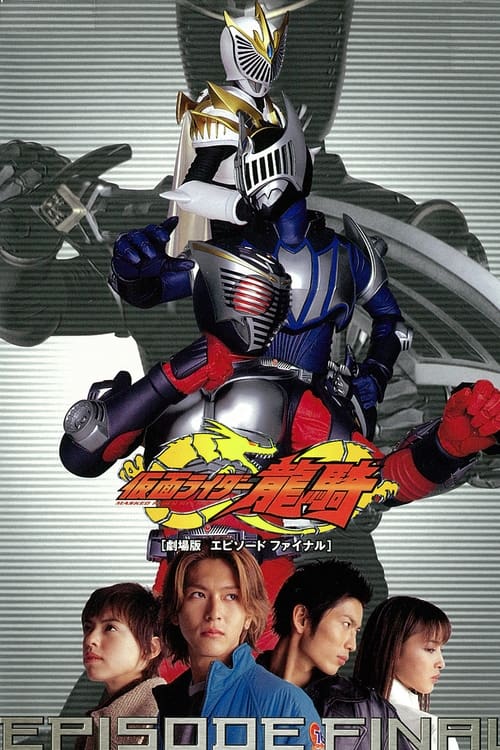
This movie is an alternate ending to the series, taking place after the events of episode 46. With only six Riders remaining in the Rider War, Shirō Kanzaki feels that time is running short.
2004
1997
2008
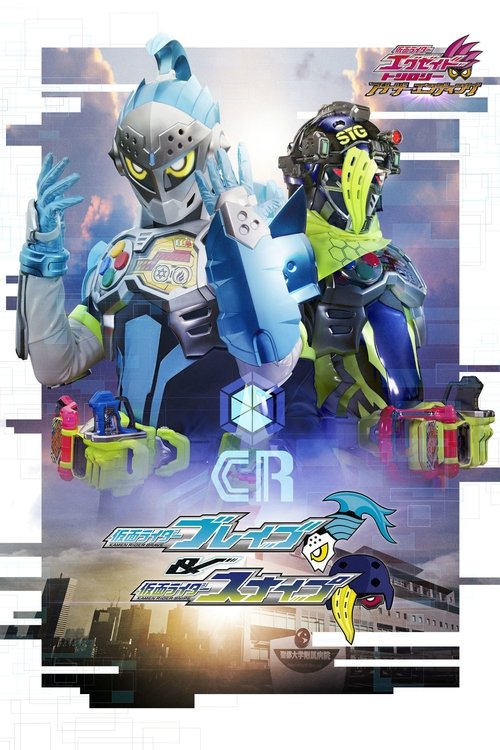
2018
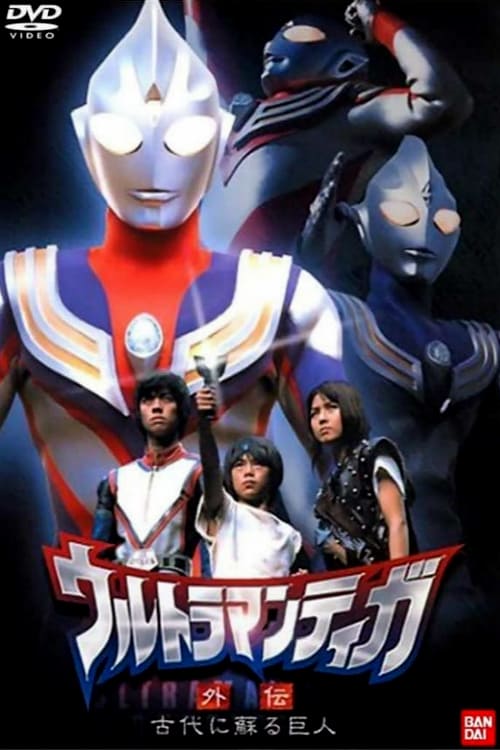
2001
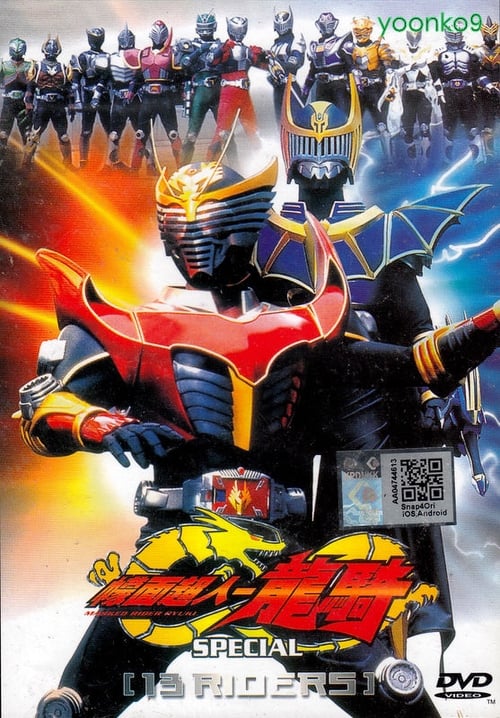
2002

2018
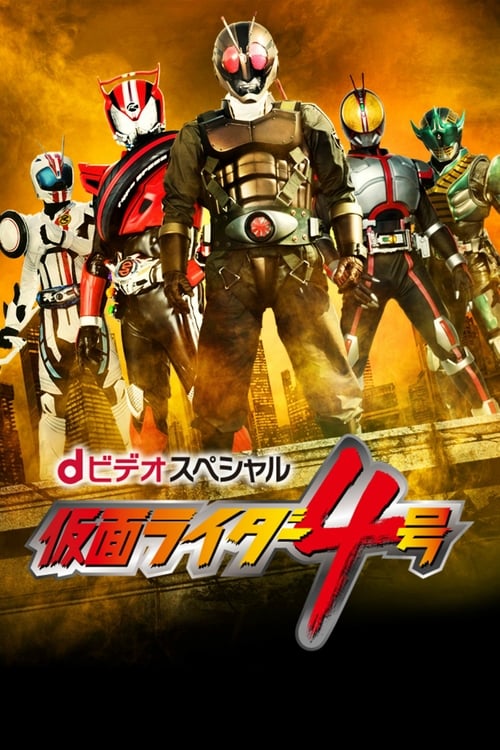
2015
No reviews yet. Be the first to share your thoughts on this movie!
Use the rating form above to leave a star rating and optional review.