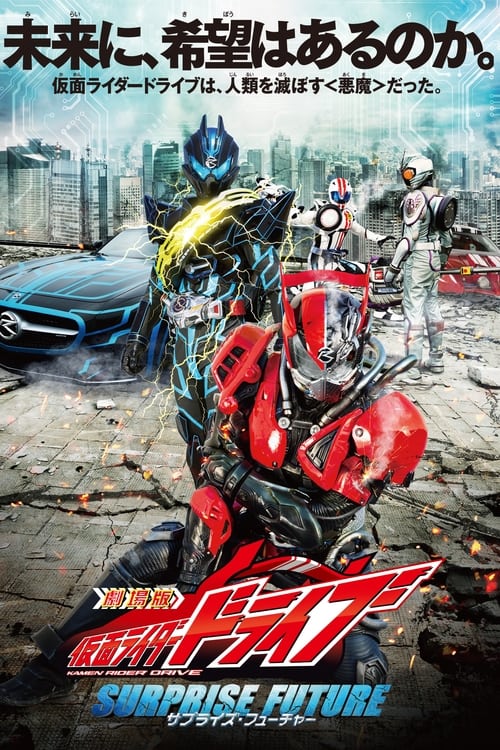
Kamen Rider Drive: Surprise Future
2015
No user ratings available yet
Representation score: 2.4 out of 10
Representation Score
Limited
2008
Director
Ryuta Tasaki
Runtime
71 minutes
Average Rating
No ratings yetNew Showbiz Analysis
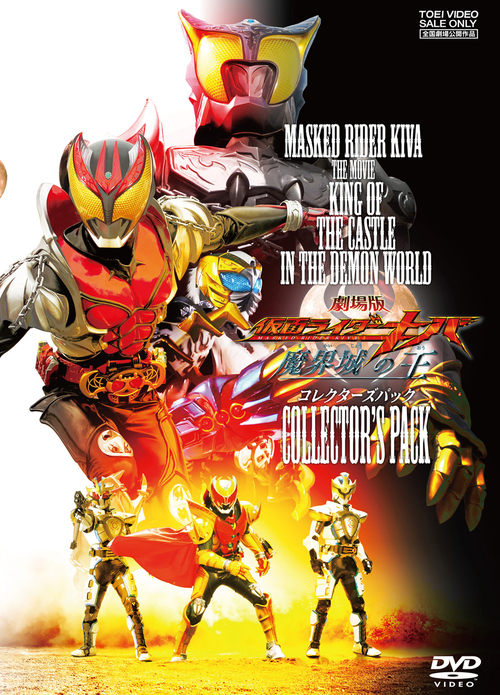
Kamen Rider Kiva: King of the Castle in the Demon World operates as a traditional tokusatsu piece, prioritizing high-concept action and lineage-based storytelling. The narrative structure reinforces established social and gender hierarchies rather than attempting to deconstruct them. Representation is limited by the genre's focus on biological species conflict and heroic archetypes, offering little engagement with neurodivergence, disability, or diverse identity structures.
Category Breakdown
The film does not explicitly depict same-sex relationships or non-binary identities. Character relationships center around traditional romantic and family bonds.
The story relies heavily on masculine hero archetypes to drive the plot. Female characters often play supporting roles defined by their relationships to male leads.
The cast is predominantly homogeneous, reflecting the localized Japanese production context. Conflicts center on biological species rather than real-world ethnic or racial diversity.
The story adheres to a traditional moral framework with clear hero-villain distinctions. It prioritizes the preservation of order against monstrous threats over systemic critique.
There is no significant portrayal of characters with visible or invisible disabilities. The focus remains strictly on physical prowess and supernatural abilities.
Present on Screen
Limited or Absent
Official Synopsis
When a powerful new foe known as the Legendorga arises in 2008, Wataru investigates the mystery behind the crisis, which brings him in contact with a man Nago once knew, Shiramine Takato, whose 3WA also possess their own Rider System. When Shiramine explains how everything began in 1986, Wataru uses Castle Doran’s Time Door to travel back in time, leading him to meet his father face-to-face at last. But has Wataru managed to change the future, or will the Legendorga still rise and enslave humanity?
2015
1991
2005
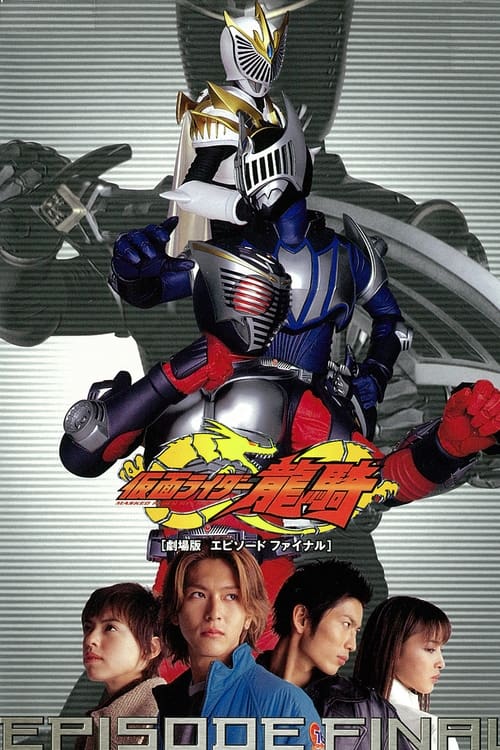
2002
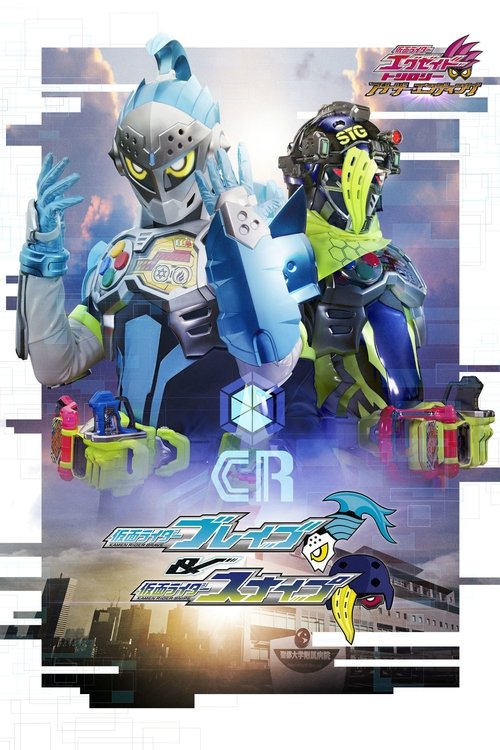
2018
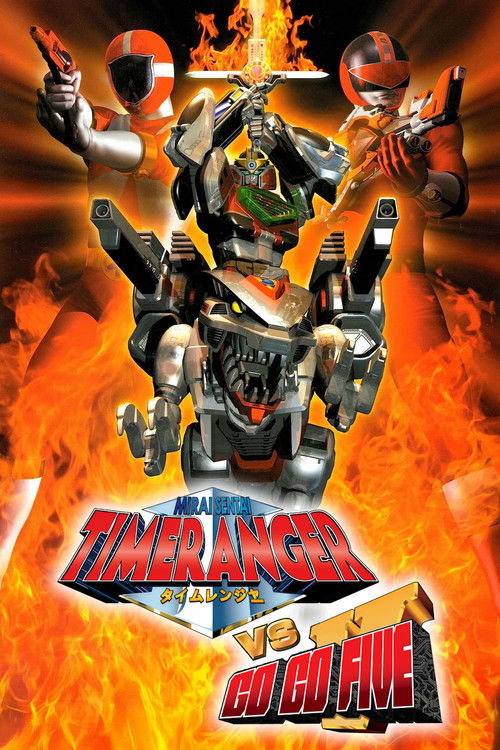
2001
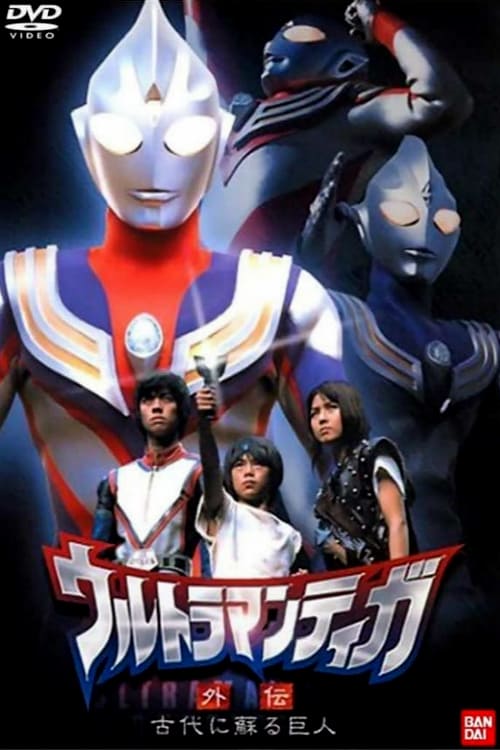
2001
2004
No reviews yet. Be the first to share your thoughts on this movie!
Use the rating form above to leave a star rating and optional review.