
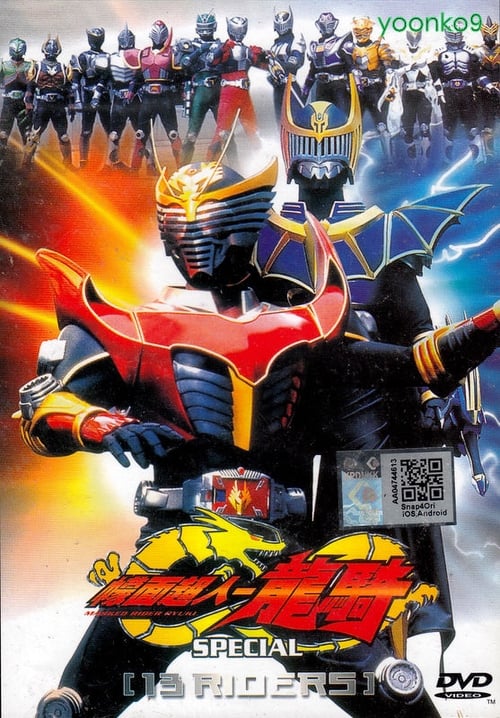
Kamen Rider Ryuki Hyper Battle Video: Ryuki vs. Kamen Rider Agito
2002
No user ratings available yet
Representation score: 0.8 out of 10
Representation Score
Fair
2002
Director
Ryuta Tasaki
Runtime
49 minutes
Average Rating
No ratings yetNew Showbiz Analysis
This special operates within the traditional Tokusatsu framework, emphasizing masculine combat and interpersonal rivalries. While it aligns with the demographic norms of early 2000s action media, it stands out through a nuanced approach to morality. The narrative avoids simple good-versus-evil clichés, instead using a postmodern framework where characters act on subjective, often self-serving, motivations. This creates a complex landscape of decentralized influence where institutional authority is largely ineffective. However, the production lacks depth in its portrayal of identity and lived experiences. Gender and disability are addressed through functional or peripheral roles rather than as nuanced explorations of character.
Category Breakdown
The story focuses solely on combat and rivalries between male Riders. There is no indication of non-straight or non-cisgender identities or same-sex relationships, sticking closely to traditional assumptions about gender and sexuality.
Male characters have the most influence in the story, while female characters play minor roles and do not significantly drive the plot.
The cast is mainly Japanese, reflecting the film's domestic production context. It maintains a culturally specific cast without much diversity.
The film challenges traditional hero clichés by exploring moral ambiguity and personal desires. Characters act based on their individual goals rather than a single moral code.
Physical injuries, like Sakakibara's severe wounds, serve as a narrative tool for character development. The focus is on the functional impact of injuries in combat scenarios.
Present on Screen
Limited or Absent
Official Synopsis
This television special is an alternate telling of the Kamen Rider Ryuki story. Shinji Kido's life, working as an employee at ORE Journal, takes a sharp turn after being pulled into the Mirror World by a Mispider. Luckily, he was saved by Kamen Rider Ryuki, Koichi Sakakibara. However, Sakakibara could no longer go on due to the severity of his injuries and passed his Card Deck to Shinji, allowing him to become the next Ryuki and defeat the monster.
2002
2002
2017
2013
2009
1998
2010
2007
No reviews yet. Be the first to share your thoughts on this movie!
Use the rating form above to leave a star rating and optional review.