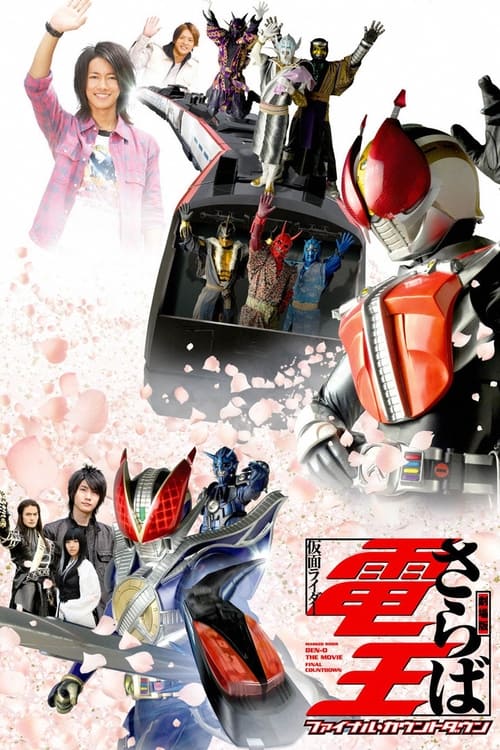
Farewell Kamen Rider Den-O: Final Countdown
2008
No user ratings available yet
Representation score: 4.4 out of 10
Representation Score
Limited
2015
Director
Osamu Kaneda
Runtime
83 minutes
Average Rating
No ratings yetNew Showbiz Analysis
This crossover film follows traditional genre conventions, emphasizing established heroic clichés and cultural continuity. The narrative structure supports existing genre expectations without challenging societal hierarchies. Representation leans towards male-led combat and traditional masculine heroism. While the film incorporates Japanese spiritual motifs for world-building, it lacks depth in representing diverse identities. The production sticks to regional casting and a localized cultural perspective, offering limited progressive social commentary.
Category Breakdown
The film does not include any LGBTQ+ characters or explore non-traditional gender identities. Relationships in the film focus on traditional masculinity and professional bonds.
Male characters like Shinnosuke Tomari and Takeru Tenkūji take center stage, while female characters such as Akari Tsukimura mainly support the plot.
The cast is predominantly made up of characters from a single cultural background, reflecting the specific context of the franchise.
Japanese spiritual themes are used through the Daitenkū-ji temple setting to build the story’s world, but the film does not critique religious institutions.
The story does not address visible or invisible disabilities. Characters are defined by their supernatural and heroic traits rather than any physical or neurological conditions.
Present on Screen
Limited or Absent
Official Synopsis
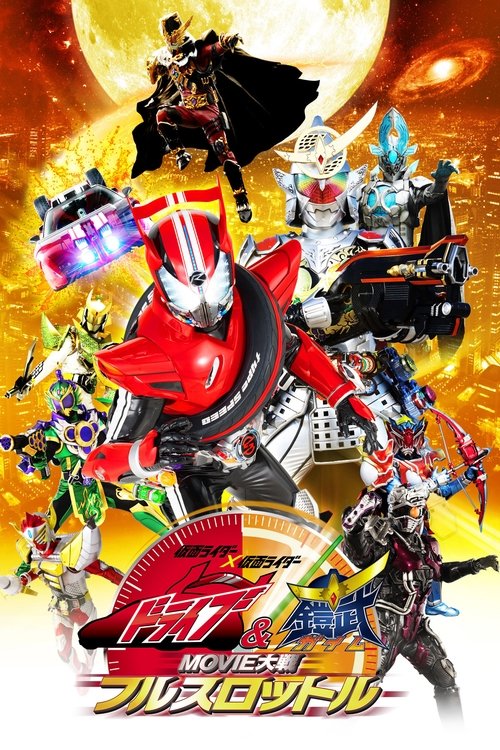
Shortly after Shinnosuke Tomari (Ryoma Takeuchi), Kamen Rider Drive, eradicates the Earth of the 108 Roidmudes, he is put on a special assignment to investigate paranormal activity elsewhere in the city. He heads to the temple Daitenkū-ji to speak with witnesses Akari Tsukimura (Hikaru Ohsawa) and Onari (Takayuki Yanagi), but as he is interrogating them, a Gamma appears and steals an Eyecon from the temple, prompting Takeru Tenkūji (Shun Nishime), Kamen Rider Ghost, to fight it, even though to Shinnosuke it seems that Kamen Rider Ghost is fighting no one at all as he cannot see the Gamma
2008
2016
2010
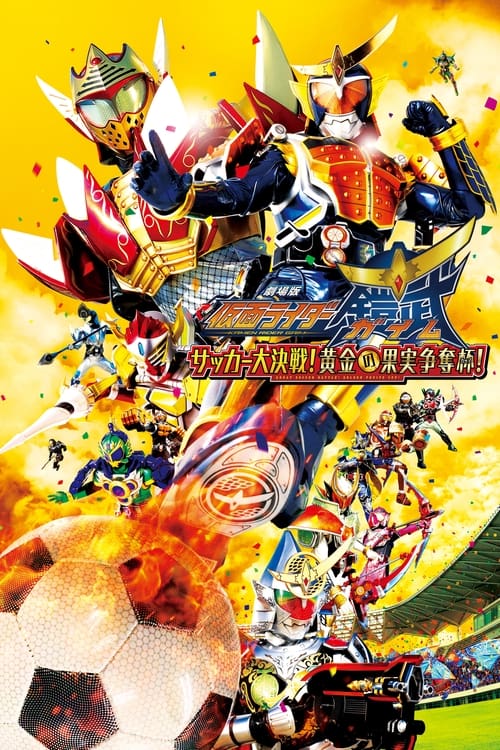
2014
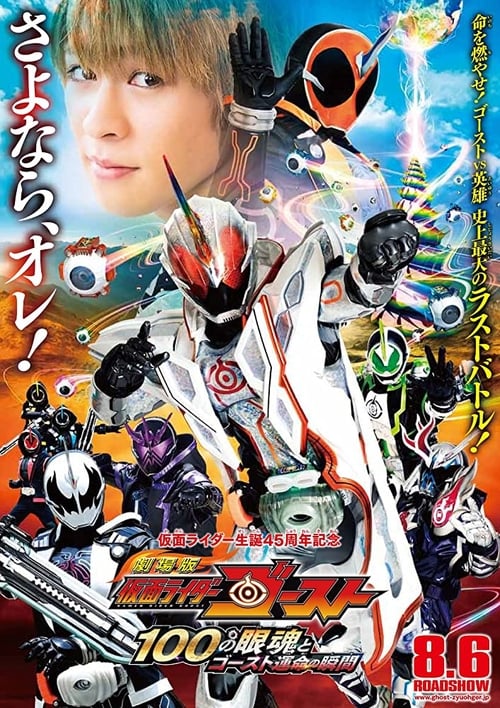
2016
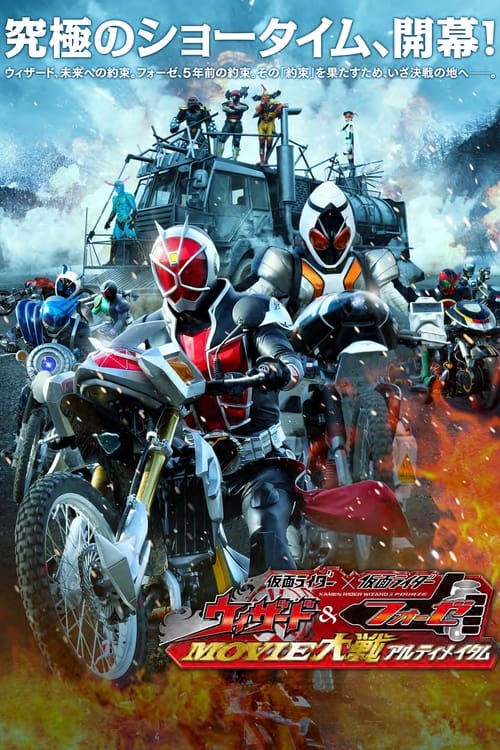
2012
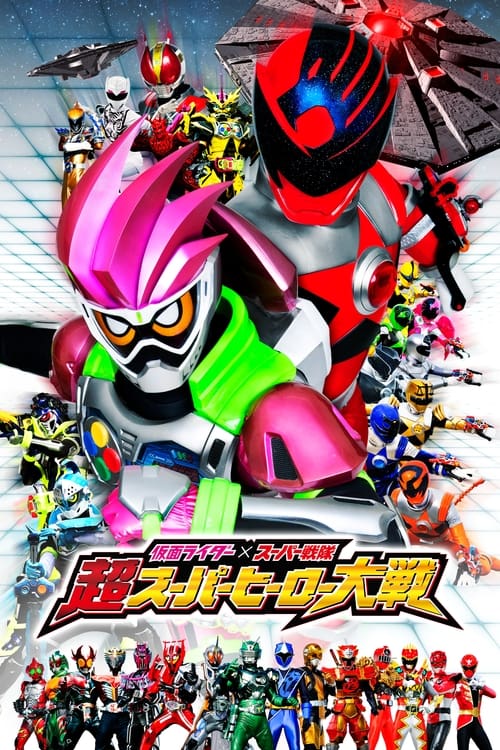
2017
2014
No reviews yet. Be the first to share your thoughts on this movie!
Use the rating form above to leave a star rating and optional review.