Go Trabi Go 2: Those Were the Days of the Wild East
1992
No user ratings available yet
Representation score: 5.0 out of 10
Representation Score
Fair
1990
Director
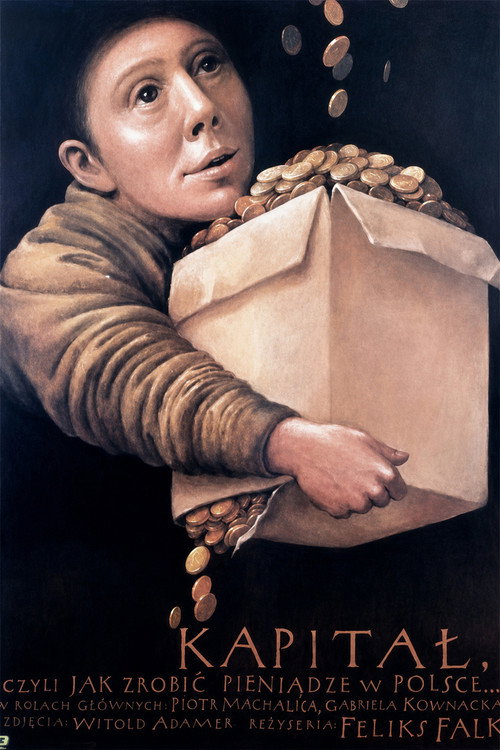
Feliks Falk
Runtime
105 minutes
Average Rating
No ratings yetNew Showbiz Analysis
Feliks Falk’s film is a localized socio-political critique that prioritizes systemic analysis over broad demographic representation. It excels at deconstructing the 'triumphant transition' cliché, providing a cynical look at the moral decay inherent in rapid economic shifts. While the film offers deep cultural insight into the Polish experience of the early 1990s, it remains demographically narrow. The focus on a specific masculine professional class results in low scores for gender and LGBTQ+ representation. Ultimately, the work functions as a postmodern study of institutional corruption. It prioritizes a focused, biting commentary on the instability of a society transitioning from communism to capitalism.
Category Breakdown
The film focuses on a masculine professional class during a period of socioeconomic change. It does not include any LGBTQ+ characters or stories about non-cisgender identities.
The narrative emphasizes male ambition and competition in a predatory economic environment. It lacks strong female roles and focuses on the male perspective.
The cast and setting are mostly uniform, reflecting the ethnic reality of 1990s Poland. The film does not feature diverse casting or characters from different racial backgrounds.
The film offers a critical view of neoliberalism and the moral decay caused by the sudden introduction of capitalism. It portrays the transition as a corrupting force.
There are no significant depictions of visible or invisible disabilities. Character struggles are framed through socioeconomic and moral issues rather than physical or neurological conditions.
Present on Screen
Limited or Absent
Official Synopsis
A sociologist nearing middle-aged returns to Poland after several years of giving lectures abroad. The changing economy of the country and business successes of the people around him inspire him to venture out into the deep and unpredictable world of capitalism himself.
1992
2007
1998

2011
1993
1973
1999
1993
No reviews yet. Be the first to share your thoughts on this movie!
Use the rating form above to leave a star rating and optional review.