
Blaník
1997
No user ratings available yet
Representation score: 5.4 out of 10
Representation Score
Limited
1998
Director
Ladislav Smoljak
Runtime
95 minutes
Average Rating
No ratings yetNew Showbiz Analysis
The film serves as a satirical deconstruction of authority rather than a vehicle for modern identity-based representation. Its strength lies in the intellectual subversion of institutional power through absurdist psychological theater. While it challenges the perceived infallibility of state and educational systems, it lacks demographic diversity. The narrative structure remains rooted in a traditional, homogeneous framework that does not prioritize multi-layered visibility.
Category Breakdown
There are no LGBTQ+ characters or explorations of non-straight identities in the film.
Male authority figures, such as the inspector and principal, hold significant roles in the story. The film leans towards a traditional masculine framework of discipline.
The cast likely reflects a homogeneous Central European demographic. There are no non-white characters or multi-layered casting.
The film critiques Western educational and legal institutions using absurdist theater to bypass traditional disciplinary methods and challenge institutional norms.
There are no characters with visible or invisible disabilities mentioned in the synopsis.
Present on Screen
Limited or Absent
Official Synopsis
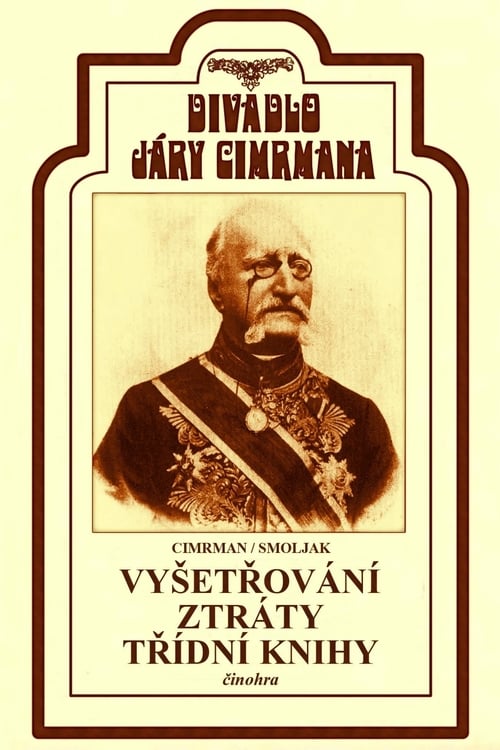
The impetus for writing the play was a real event - the investigation of the loss of the class register at a boys' school in Vienna's 4th district. The perpetrator was most likely a student named F. Kirchner. Cimrman was a police inspector in Vienna's 4th district at the time, and the school principal turned to him when all educational measures had failed. Six police officers followed the suspect for three days, but to no avail. Cimrman therefore decided to influence Kirchner in a different way: he wrote a play about the theft, which was staged by the police department's drama club as a compulsory school performance. The author expected that seeing the suffering of the teacher, principal, and inspector during their futile investigation would lead the culprit to regret his actions and confess. However, the stubborn boy, the son of a nun, was not moved.
1997
1967
1985
1998
1982
1983
2008
2007
No reviews yet. Be the first to share your thoughts on this movie!
Use the rating form above to leave a star rating and optional review.