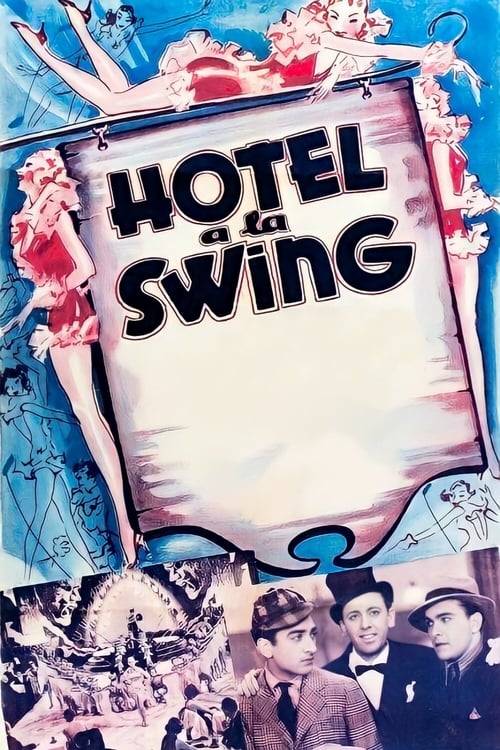
Hotel a la Swing
1937
No user ratings available yet
Diversity score: 2.4 out of 10

1938
ApprovedDirector
Roy Mack
Runtime
22 minutes
Average Rating
No ratings yetSynopsis
Musical satire based on Anthony Hope's Ruritanian novel "The Prisoner of Zenda" in which a commoner takes the place of a lookalike king.
Overall Score
Limited
Category Breakdown
LGBTQ+ Representation
The film follows the conventional romantic and social structures typical of 1930s musical comedies. There is no evidence of non-cisnormative identities or narratives that critique heteronormativity.
Gender Representation
The narrative relies on standard genre tropes of the era. While the imposter plot allows for potential play, the source material typically adheres to traditional romantic hierarchies.
Racial & Ethnic Diversity
The story centers on a homogeneous Western European cast. There is no indication of race-bent casting or significant non-white representation within this Ruritanian setting.
Religious & Cultural Diversity
The film utilizes a classic Western literary framework. The comedic focus on a commoner becoming king tends to reinforce monarchy stability rather than offering institutional critique.
Disability Representation
There is no evidence of characters with physical or neurodivergent disabilities. The narrative does not include representation for these identities.
Strengths
Areas for Improvement
AI Analysis
The film functions as a standard musical satire, leaning heavily into the escapism and genre conventions of the late 1930s. Its reliance on the 'imposter' trope from Anthony Hope's work prioritizes comedic structure over any meaningful disruption of social or systemic hierarchies. Representation is limited by the era's studio-system approach. The focus remains on a homogeneous European setting, which lacks racial diversity and fails to challenge the traditional gender and romantic norms of the period.
1937
1938
1941
1933

1933
1943
1933
1930
1934
1936
1937
1967
No reviews yet. Be the first to share your thoughts on this movie!
Use the rating form above to leave a star rating and optional review.