Triangle
1967
No user ratings available yet
Representation score: 5.5 out of 10
Representation Score
Limited
1974
Director
Iskander Khamrayev
Runtime
85 minutes
Average Rating
No ratings yetNew Showbiz Analysis
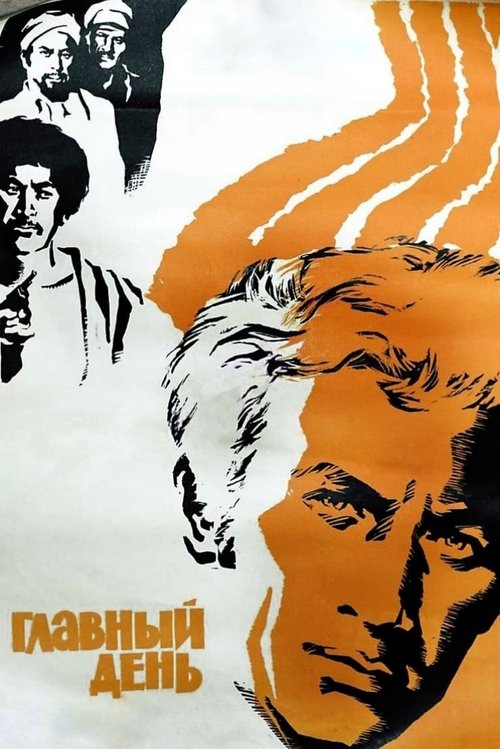
Main Day is a period drama centered on the historical solidarity between Uzbek collective farmers and Russian factory workers. Its primary strength lies in its ethnic inclusivity, showcasing a collaborative relationship between different regional identities within the Soviet framework. However, the film remains deeply rooted in mid-20th-century collectivist traditions. The narrative structure prioritizes industrial competence and state-aligned social structures, limiting its engagement with progressive social changes. While the film successfully depicts cross-cultural cooperation, it lacks representation for LGBTQ+ identities and does not explore gender or disability diversity.
Category Breakdown
The film does not include any LGBTQ+ characters or stories. It focuses on the solidarity between industrial and agricultural workers, emphasizing traditional social bonds.
The story centers around masculine-coded labor, such as heavy industry and machinery exchange. It highlights communal strength without challenging traditional gender roles.
The film features meaningful ethnic representation by showing the collaboration between Uzbek farmers and Russian industrial workers. This cross-regional solidarity breaks the idea of a homogeneous group of protagonists.
The story celebrates collectivist ideals and state-aligned cooperation. It reinforces traditional social structures rather than presenting individualistic or anti-establishment viewpoints.
There is no information about the depiction of physical or neurodivergent characters in this work.
Present on Screen
Limited or Absent
Official Synopsis
A film about the friendship between the workers of the Uzbek collective farm 'Leningrad' and the city of Lenin. This friendship has grown stronger and developed over more than four decades. The film takes us back to the distant and difficult 1920s, when the farmers of Fergana sent a wagon of fruits to the workers of the Putilov factory. In return, the workers gifted the collective farm two tractors and sent their representatives to help set up the new machinery.
1967
1930
1960
1961
1976

1967
1963
1929
No reviews yet. Be the first to share your thoughts on this movie!
Use the rating form above to leave a star rating and optional review.