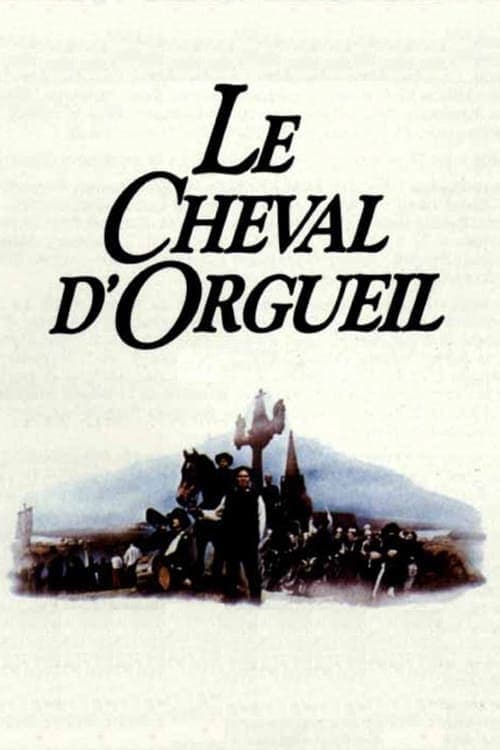
The Horse of Pride
1980
No user ratings available yet
Diversity score: 3.1 out of 10
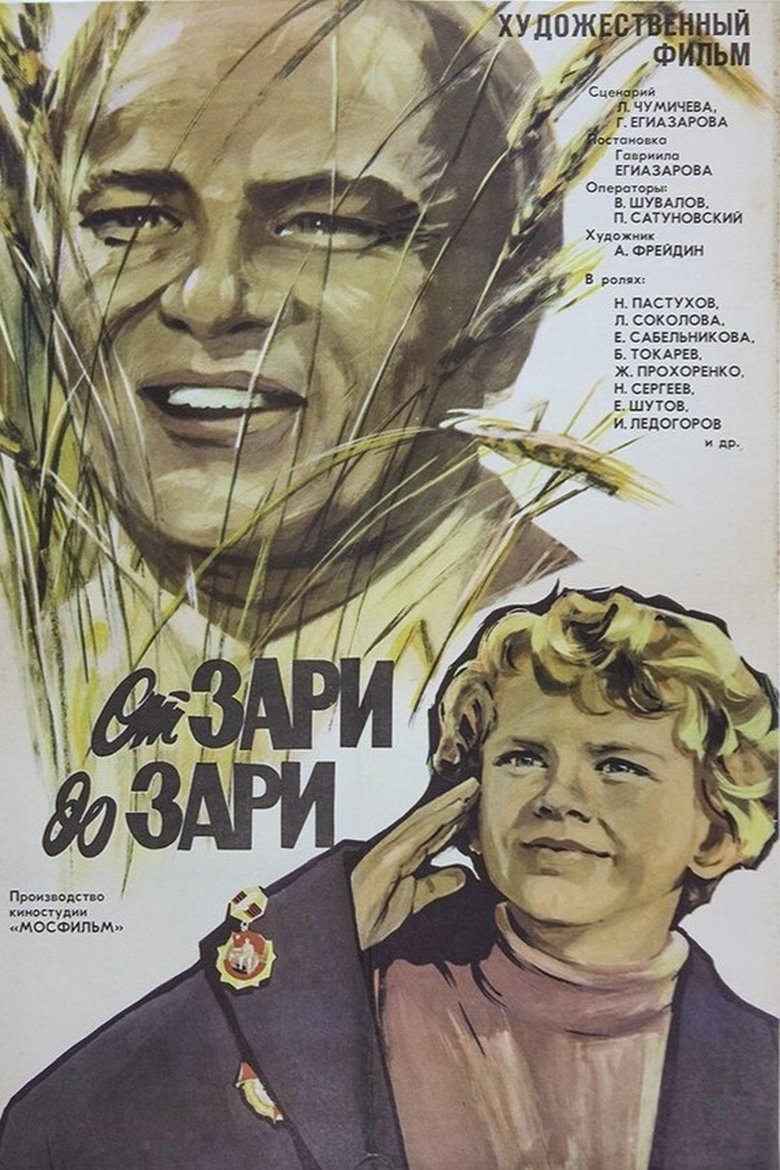
1976
K-12Director
Gavriil Egiazarov
Runtime
102 minutes
Average Rating
No ratings yetSynopsis
The film tells about the events of one day, lived by the collective farm foreman Fyodor Rozhnov. This day turned out to be filled to the limit with work, worries, joys, sorrows, difficult relationships with people and memories of the war years.
Overall Score
Limited
Category Breakdown
LGBTQ+ Representation
The film offers no evidence of LGBTQ+ characters or non-cisnormative identities. It appears to follow the traditional social structures typical of 1976 Soviet realism.
Gender Representation
The story centers on Fyodor Rozhnov, a male foreman, emphasizing male leadership. There is no indication of women holding roles of significant agency or intellect.
Racial & Ethnic Diversity
The cast likely reflects the ethnic homogeneity of its specific Soviet setting. The narrative focuses on historical and national identities rather than multi-ethnic diversity.
Religious & Cultural Diversity
The film prioritizes communal existence and socialist institutional frameworks. It reinforces patriotism and historical continuity through memories of the war years.
Disability Representation
There is no information regarding the inclusion of characters with physical or invisible disabilities. The presence of neurodivergent characters remains unverified.
Strengths
Areas for Improvement
AI Analysis
From Dawn Till Sunset is a period drama that prioritizes communal labor and historical memory over individual identity politics. The narrative structure is rooted in the institutional stability of the Soviet era, focusing on the responsibilities of a collective farm foreman. While the film explores the human condition through work and wartime memories, it lacks intersectional complexity. The focus remains on traditional social hierarchies and the collective rather than diverse or marginalized perspectives. Ultimately, the film serves as a reflection of its era's cinematic constraints, emphasizing national identity and social cohesion over progressive representation.
1980

1982

2013

1965
1976
1983
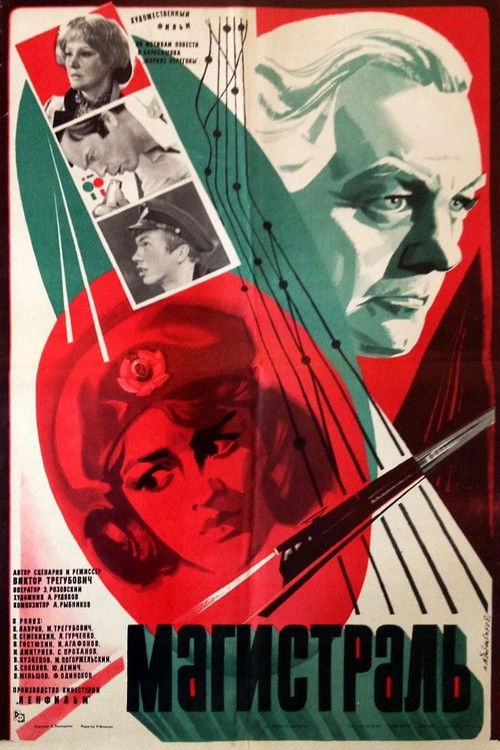
1983
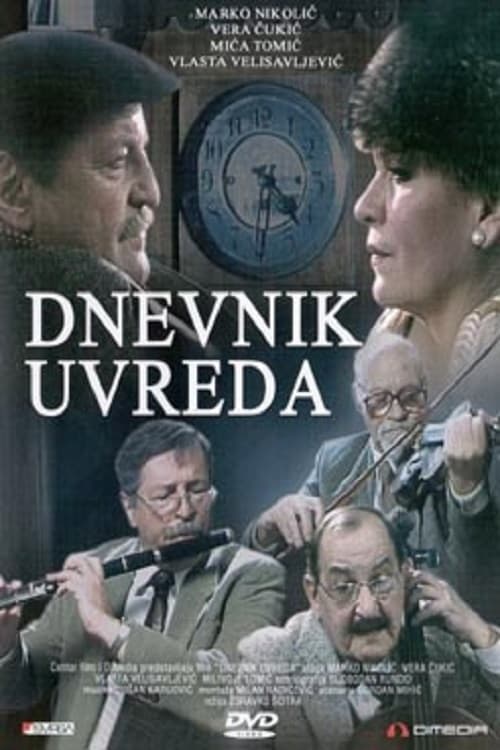
1994
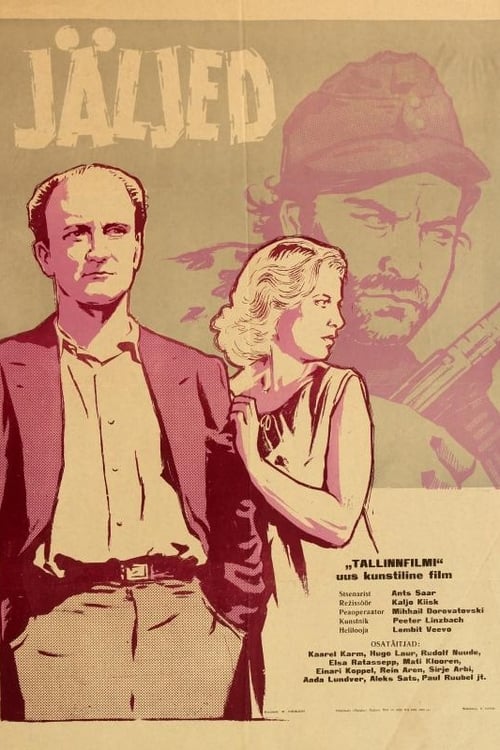
1964
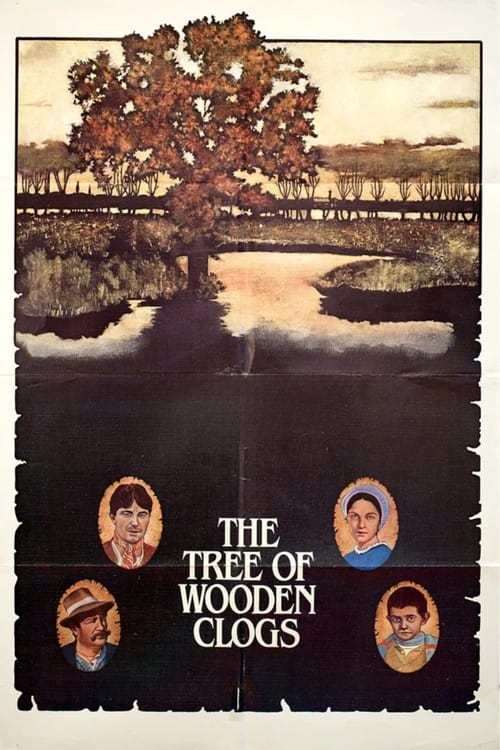
1978
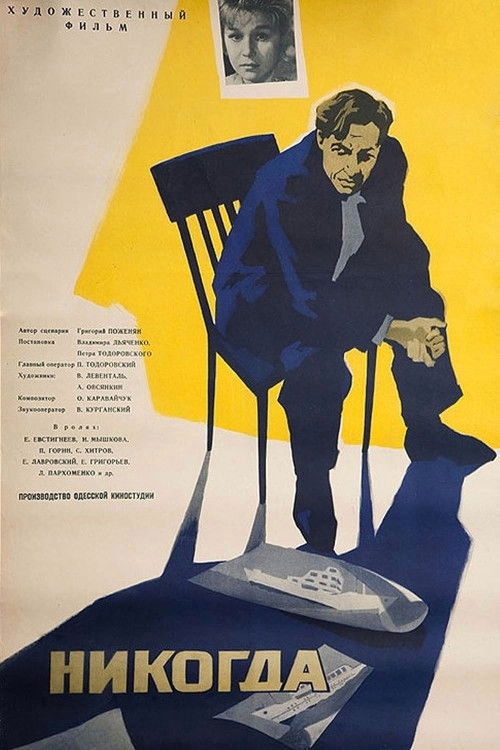
1962
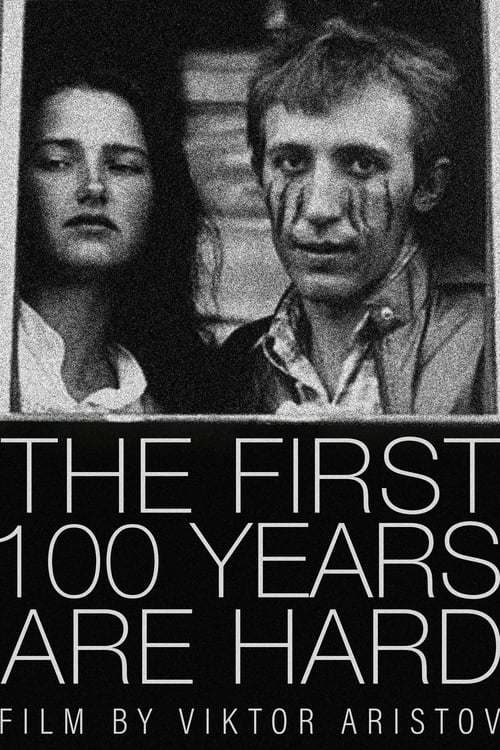
1989
No reviews yet. Be the first to share your thoughts on this movie!
Use the rating form above to leave a star rating and optional review.