Jana and Jan
1992
No user ratings available yet
Representation score: 4.4 out of 10
Representation Score
Good
1990
7Director
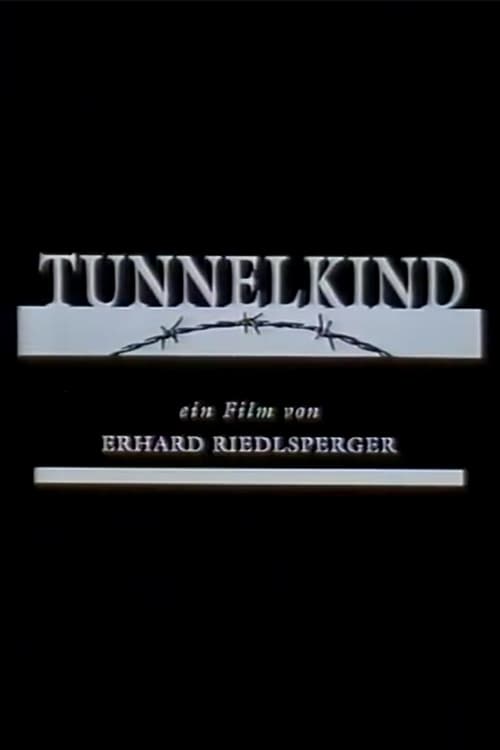
Erhard Riedlsperger
Runtime
88 minutes
Average Rating
No ratings yetNew Showbiz Analysis
Tunnel-Child is a period drama centered on psychological recovery and the tensions of the Cold War. It successfully highlights a female protagonist's internal journey, using her struggle with selective mutism to drive the emotional stakes of the story. However, the film remains confined by its historical and geographical context. Its focus on a homogeneous European population and the absence of LGBTQ+ identities limit its multi-layered scope. While the film provides a meaningful critique of systemic political barriers, it primarily serves as a character-driven narrative rather than a broader social commentary.
Category Breakdown
The film does not explicitly depict LGBTQ+ identities or same-sex relationships. Instead, it focuses on adolescent social interactions and a cross-generational bond.
Julia, the young female protagonist, drives the plot through her psychological journey. Although male characters play important roles, the emotional weight lies with her.
Set in a European border region, the story features a homogeneous population. There is no indication of multi-ethnic casting in this historical setting.
The film critiques the state-imposed boundaries and the Iron Curtain. It emphasizes individual human connections over the rigid geopolitical policies of the time.
Julia’s selective mutism is a key part of her character development. Her recovery is shown through her relationship with a surveyor named Roland.
Present on Screen
Limited or Absent
Official Synopsis
1969. The Prague Spring has been demolished. New barbed wire installations have been erected. Julia, who is thirteen, has moved with her mother to a village in northern Austria which lies on the Czech border. Julia has not spoken since her father's death. Her isolation increases in the village where she is an outsider. Provoked into proving her courage by some young villagers, she walks into no-man's land. She discovers a forgotten tunnel which leads to a construction site on the Czech side of the border. Julia makes the acquaintance of Roland, a forty-five-year-old surveyor, on "the other side". An ambivalent father-daughter relationship develops between them. Roman is the only one to whom she confides the secret of her border crossings. Due to his affection for her, she regains her ability to speak. And she starts to feel at ease with Alexander, who is her age. Roman makes new plans at Julia's urging. The insurmountable border foritfications will remain vulnerable . . .
1992
1985
1985
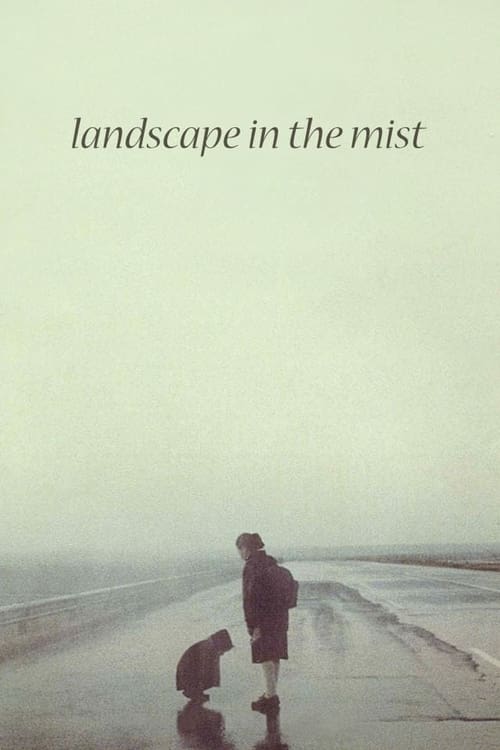
1988
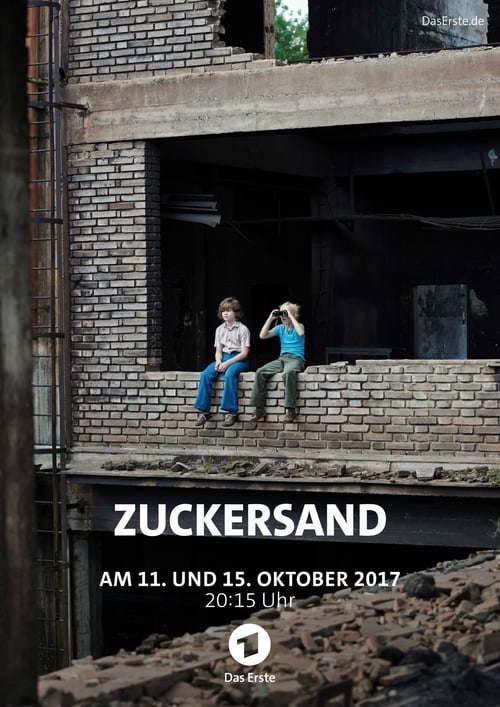
2017
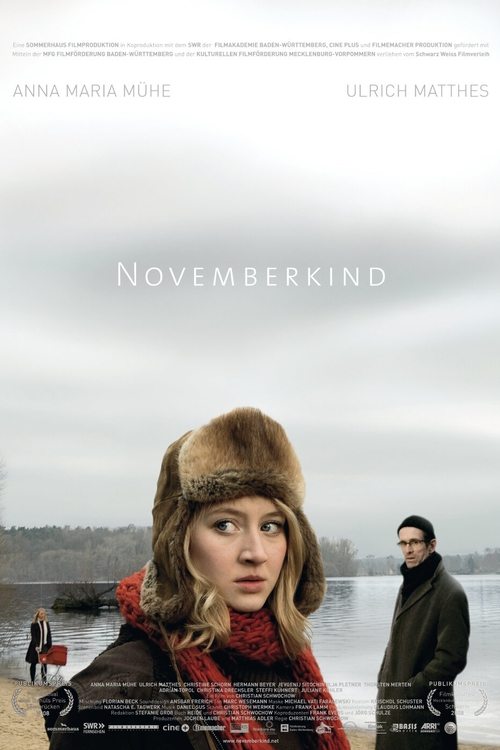
2008

1984
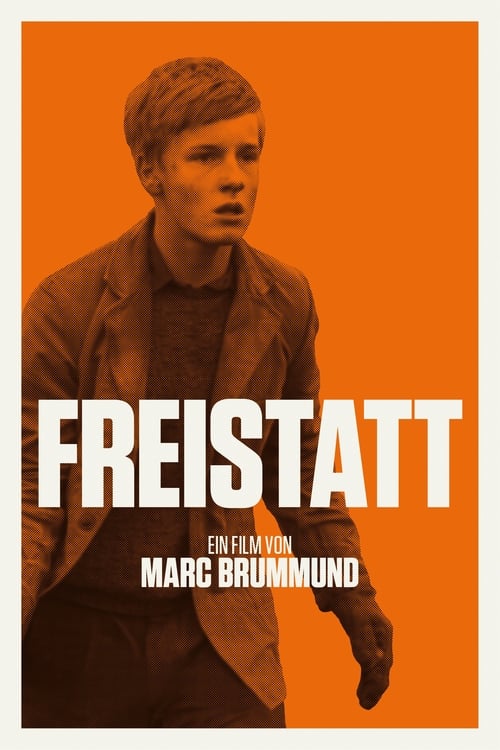
2015
No reviews yet. Be the first to share your thoughts on this movie!
Use the rating form above to leave a star rating and optional review.