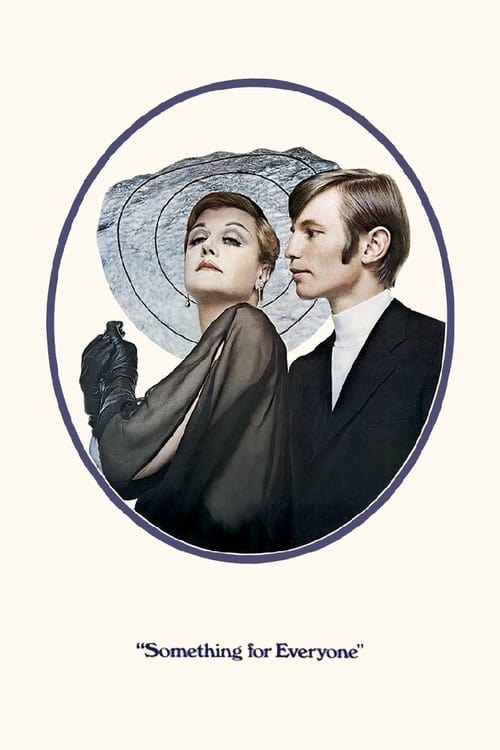
Something for Everyone
1970
No user ratings available yet
Representation score: 5.0 out of 10

Representation Score
Fair
1965
Director
Nagisa Ōshima
Runtime
91 minutes
Average Rating
No ratings yetNew Showbiz Analysis
Nagisa Ōshima employs the Japanese New Wave style to dismantle traditional social hierarchies. By focusing on a businessman's descent into crime and lust, the film questions the stability of post-war social institutions. The narrative emphasizes subjective morality over rigid social codes, allowing for a deep exploration of personal impulses versus state authority. However, it lacks explicit representation of specific underrepresented identities.
Category Breakdown
The film hints at non-traditional desires but does not explicitly address specific LGBTQ+ identities. It focuses more on the breakdown of social norms rather than on specific identities.
The film challenges traditional masculine authority by showing a male protagonist's decline into instability and moral failure. It replaces the typical strong male character with themes of vulnerability and ethical dilemmas.
The film is set in a specific Japanese cultural context and offers a unique non-Western perspective that challenges the dominance of Western narratives in cinema.
The story critiques strict post-war Japanese societal expectations through a lens of moral ambiguity. It portrays corporate and legal systems as catalysts for personal and societal dysfunction.
There is no discernible evidence regarding the portrayal of physical or neurodivergent disabilities in this work.
Present on Screen
Limited or Absent
Official Synopsis
After committing murder, businessman Atsushi is blackmailed into keeping a suitcase of embezzled money. What follows is a descent into lustful, reckless actions and regret.
1970

1968
1966

1955

1980
1947
1980

1965
No reviews yet. Be the first to share your thoughts on this movie!
Use the rating form above to leave a star rating and optional review.