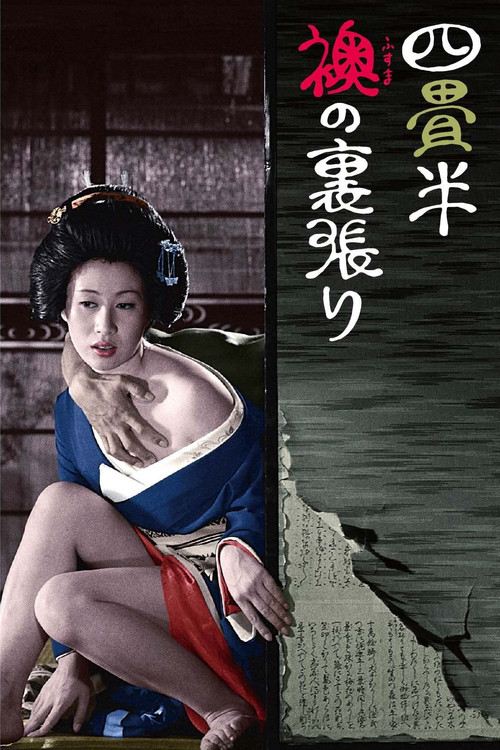
The World of Geisha
1973
No user ratings available yet
Representation score: 6.1 out of 10

Representation Score
Good
1990
Director
Jūzō Itami
Runtime
118 minutes
Average Rating
No ratings yetNew Showbiz Analysis
Jūzō Itami employs a satirical approach to dismantle traditional hierarchies and institutional hypocrisy. By placing a underrepresented figure at the center of the plot, the film challenges the usual power dynamics between men and women. The narrative's strength lies in its refusal to conform to rigid moral archetypes, instead delving into the intricate relationship between luck, ability to act, and social utility through its protagonist. While the film does not explicitly address LGBTQ+ themes or feature diverse ethnicities, it presents a nuanced character study that questions the competence and morality of dominant male figures.
Category Breakdown
The film centers on the interactions between a geisha and several male characters but does not include any explicitly queer-coded romantic relationships or non-cisgender identities.
Nayoko breaks away from traditional passive roles by actively influencing the fortunes of men around her. Her actions place her at the center of the plot, driving the story forward.
The movie provides a detailed look into a non-Western cultural setting specific to Japan. However, it operates within a relatively homogeneous social environment.
The story avoids black-and-white moral judgments by examining the complexities of situational ethics. It offers a critical view of the social structures that govern the geisha profession.
There is no depiction of physical or neurodivergent disabilities in the film.
Present on Screen
Limited or Absent
Official Synopsis
Nayoko, a good-hearted geisha, brings luck to the men she sleeps with, even though most are scoundrels who don’t deserve it.
1973

1960
1969

1956
1972
1986
1999
1965
No reviews yet. Be the first to share your thoughts on this movie!
Use the rating form above to leave a star rating and optional review.