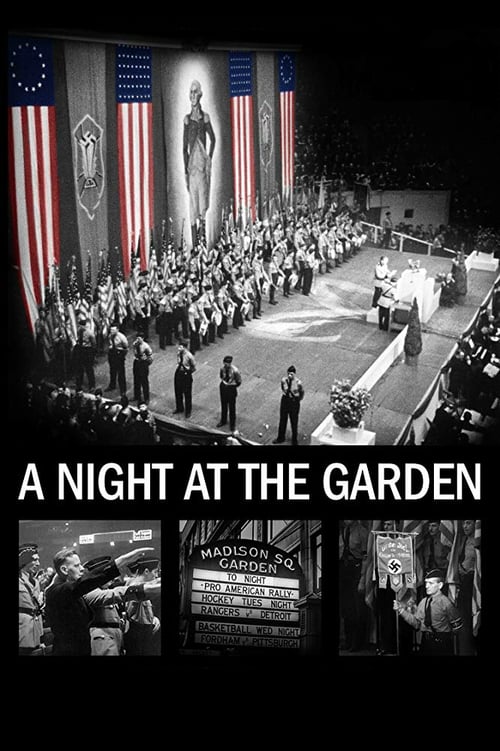
A Night at the Garden
2017
No user ratings available yet
Representation score: 5.4 out of 10
Representation Score
Fair
1975
PGDirector
Philippe Mora
Runtime
107 minutes
Average Rating
No ratings yetNew Showbiz Analysis
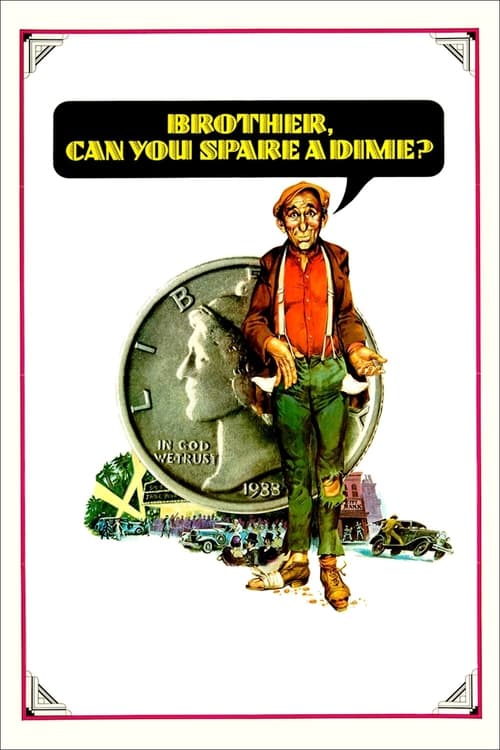
Philippe Mora’s documentary uses newsreels and music to challenge the American Dream during the Great Depression. It highlights the experiences of the disenfranchised and critiques capitalist stability. The film effectively revisits history by showcasing a multi-ethnic working class. However, it adheres to the gendered realities of the 1930s, focusing on masculine struggles and depicting disability as a symptom of poverty.
Category Breakdown
The film focuses on the socioeconomic realities of the 1930s. There are no LGBTQ+ characters or stories exploring non-straight identities.
The narrative emphasizes the male experience of labor and displacement. While reflecting historical realities, the film upholds traditional gender roles and masculine struggles.
The film highlights the diverse ethnic makeup of the migrant labor force. Archival footage shows how race intersects with economic hardship, challenging a monolithic view of America.
The work critiques Western institutions and capitalism. It focuses on systemic power dynamics rather than traditional patriotic or economic views.
The film shows the physical toll of extreme poverty. However, these elements are symptoms of poverty rather than characters with individual ability to act.
Present on Screen
Limited or Absent
Official Synopsis
Period music, film clips and newsreel footage combined into a visual exploration of the American entertainment industry during the Great Depression.
2017
1995

2004

1996

1986
2009
1974
2006
No reviews yet. Be the first to share your thoughts on this movie!
Use the rating form above to leave a star rating and optional review.