Documenting the Face of America: Roy Stryker & the FSA Photographers
2016
No user ratings available yet
Representation score: 6.7 out of 10
Representation Score
Limited
2006
Director
Eric Clawson, Karen Hillhouse, Eric Sanford
Runtime
16 minutes
Average Rating
No ratings yetNew Showbiz Analysis
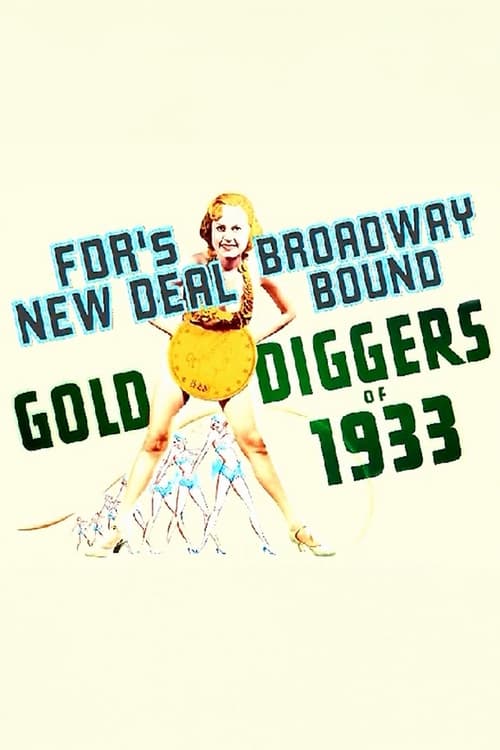
This documentary functions as a historical reconstruction of the Great Depression's impact on the performing arts. It prioritizes the documentation of specific socio-economic shifts and the Broadway-bound musical traditions of the FDR era. The film's perspective is inherently tied to the dominant cultural institutions of the 1930s. Consequently, the representation of underrepresented groups is limited by the historical context of the period being studied. While the work provides a nuanced analysis of how government policy influences art, it remains a study of mainstream theatrical traditions rather than a platform for contemporary social challenges.
Category Breakdown
The film serves as a historical survey of the New Deal era. It lacks explicit queer-coded narratives or the centering of non-straight identities, reflecting the assumption that everyone is straight or cisgender.
While the documentary centers on female performers within the 'Gold Diggers' tradition, these portrayals lean toward traditional era archetypes. The narrative observes women within existing 1930s gender hierarchies.
The focus on mainstream Berkeley and Broadway musical scenes reflects the limited representation of non-white performers in those historical circles. There is no evidence of diverse casting or underrepresented voices.
The documentary offers a sophisticated look at how New Deal policies shaped cultural production. It examines the power dynamics between state intervention and individual artistic creativity.
The film does not provide information regarding the depiction of physical or neurodivergent identities. Disability is not a primary thematic vector in this musical theater history.
Present on Screen
Limited or Absent
Official Synopsis
Short documentary about the Great Depression's impact on film, specifically Berkeley musicals.
2016
1933
1975

2006
2010

2009
1996
1937
No reviews yet. Be the first to share your thoughts on this movie!
Use the rating form above to leave a star rating and optional review.