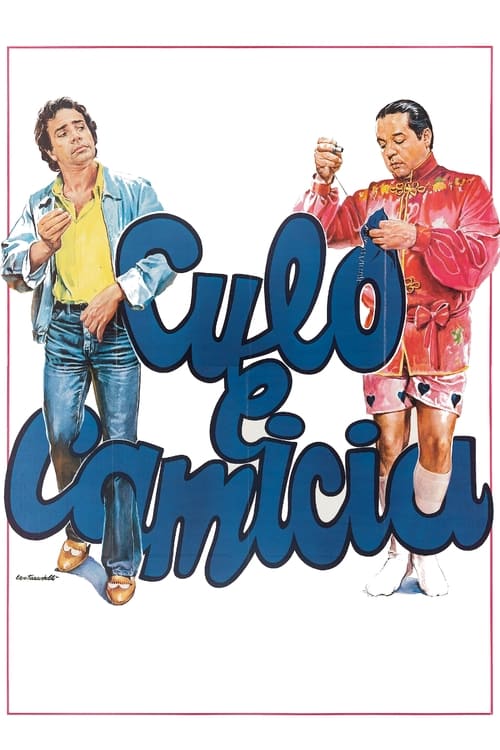
Culo e camicia
1981
No user ratings available yet
Representation score: 6.9 out of 10

Representation Score
Limited
1982
Director
Nanni Loy
Runtime
104 minutes
Average Rating
No ratings yetNew Showbiz Analysis
Nanni Loy’s film functions as a sophisticated political allegory, using a coin-toss metaphor to deconstruct global hegemony. By replacing character-driven drama with the symbols of power, it illustrates how rigged systemic frameworks maintain dominance. The work excels in its high-level engagement with post-colonial theory. It provides a profound critique of the 'First World' and 'Third World' dichotomy, treating the struggle of the Global South as a central thematic driver. However, the score is moderated by a total absence of identity-based representation. Because the film relies on non-human, abstract entities, it lacks any depiction of gender, sexual orientation, or disability.
Category Breakdown
The film uses abstract, non-human entities to critique societal issues. There is no depiction of sexual orientation or gender identity within this symbolic framework.
Characters are presented as stylized, non-gendered allegories. The film avoids traditional gender hierarchies by focusing on the dynamics of institutional power rather than personal roles.
The film employs a post-colonial lens to represent the Global North and South. It uses non-human metaphors to highlight the exploitation of developing nations and the First/Third World dichotomy.
This work serves as a critique of Western hegemony and global capitalism. It frames international institutions as corrupt systems designed to maintain the poverty of underrepresented populations.
No characters or entities are depicted with physical, sensory, or neurodivergent traits. The narrative focus remains exclusively on socioeconomic allegory.
Present on Screen
Limited or Absent
Official Synopsis
Two back-to-back stories that deals with two "taboo" themes, the celibacy of the clergy in the episode of Renato Pozzetto and the homosexuality in the one with Nino Manfredi.
1981
1972
1970
1962
1971

1959
1993
1980
No reviews yet. Be the first to share your thoughts on this movie!
Use the rating form above to leave a star rating and optional review.