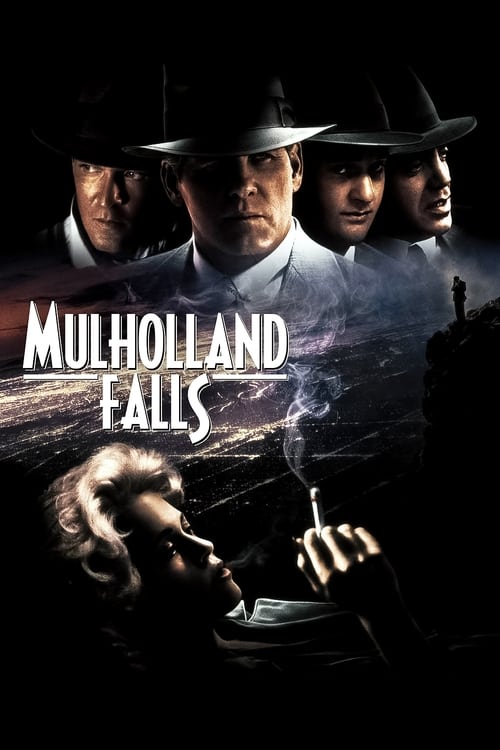
Mulholland Falls
1996
No user ratings available yet
Representation score: 3.9 out of 10
Representation Score
Good
2006
RDirector
Brian De Palma
Runtime
121 minutes
Average Rating
No ratings yetNew Showbiz Analysis
Brian De Palma’s crime thriller breaks away from typical genre conventions by emphasizing psychological decay over traditional heroism. While the film offers a sophisticated critique of institutional corruption and systemic authority, it falls short in terms of broad demographic representation. The narrative's strength lies in its postmodern deconstruction of the 'heroic investigator' archetype. By depicting law enforcement as inherently unstable and corrupt, the film provides a cynical yet effective study of social and moral relativism. However, the film struggles with representation. It frequently centers on the male gaze and keeps characters of color and LGBTQ+ individuals on the periphery, often using psychological instability merely as a stylistic noir device.
Category Breakdown
The film focuses on straight relationships and traditional gender roles without featuring significant LGBTQ+ characters or narratives that challenge these norms.
The story portrays men as psychologically troubled and morally compromised, while women often act as catalysts for male decay through objectification rather than having independent roles.
Set in 1947 Los Angeles, the film acknowledges the era's social hierarchies and segregation. Characters of color are mostly kept to the sidelines of the main storyline.
The film successfully dismantles Western institutions, presenting the LAPD as a corrupt and morally bankrupt entity. It replaces heroic clichés with a cynical view of institutional authority.
Psychological instability and obsessive behavior are explored through the protagonists' hallucinations. These elements serve to create noir-style tension rather than offering a nuanced look at mental health issues.
Present on Screen
Limited or Absent
Official Synopsis
In 1940s Los Angeles, two former boxers-turned-cops must grapple with corruption, narcissism, stag films and family madness as they pursue the killer of an aspiring young actress.
1996
1950
2012
1981

2006
1997

2018

1979
No reviews yet. Be the first to share your thoughts on this movie!
Use the rating form above to leave a star rating and optional review.