The Plane Tree
2011
No user ratings available yet
Representation score: 7.0 out of 10
Representation Score
Fair
2001
Director
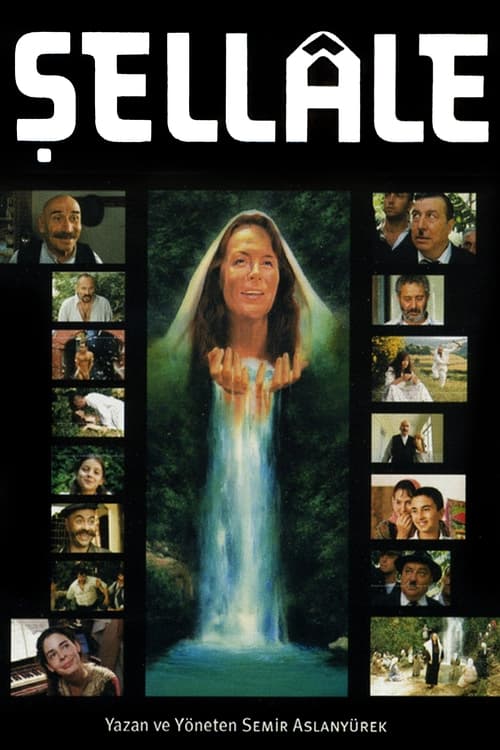
Semir Aslanyürek
Runtime
120 minutes
Average Rating
No ratings yetNew Showbiz Analysis
The Waterfall is a period drama that finds its strength in historical and regional specificity. By centering the story in Harbiye, it moves away from Western-centric clichés to validate a local, provincial identity. The film effectively uses the lens of a painter's childhood to examine how macro-level political instability affects the micro-level dynamics of a family. However, the film remains tethered to traditional social dynamics. The narrative is heavily driven by patriarchal friction and male-centric political struggles, offering little in the way of progressive gender or LGBTQ+ representation. While it provides a nuanced look at systemic pressures, it lacks diversity in terms of identity-based character arcs.
Category Breakdown
The film lacks explicit LGBTQ+ characters or narratives. It focuses on traditional family structures and political tensions between male figures.
The story is primarily driven by male-centric political conflicts between the father and uncle. It does not significantly challenge traditional gender hierarchies.
The film offers strong regional representation by centering on Antakya. It provides cultural depth by focusing on a specific provincial history rather than a metropolitan perspective.
The film uses absurdity to critique the political and economic crises of the 1960s. It explores how institutionalized political fervor impacts the domestic sphere.
There are no discernible depictions of physical or neurodivergent disabilities driving the narrative or serving as central character traits.
Present on Screen
Limited or Absent
Official Synopsis
The story takes place in Harbiye town of Antakya just before the 1960 military coup d'etat. The economic and political crisis of those days are reflected by the both funny and sad story of a family. The story is told from the eyes of Cemal. Now a famous painter, Cemal goes back to his hometown years later and remembers his childhood. In those days Cemal's father and uncle, member of rival political parties, are in a continious struggle with each other. The film depicts this absurd struggle and the strange stories of people in Harbiye together with the lyric story of the famous waterfall of the town.
2011

2004
2014

2009
1991

2016
1999

2011
No reviews yet. Be the first to share your thoughts on this movie!
Use the rating form above to leave a star rating and optional review.