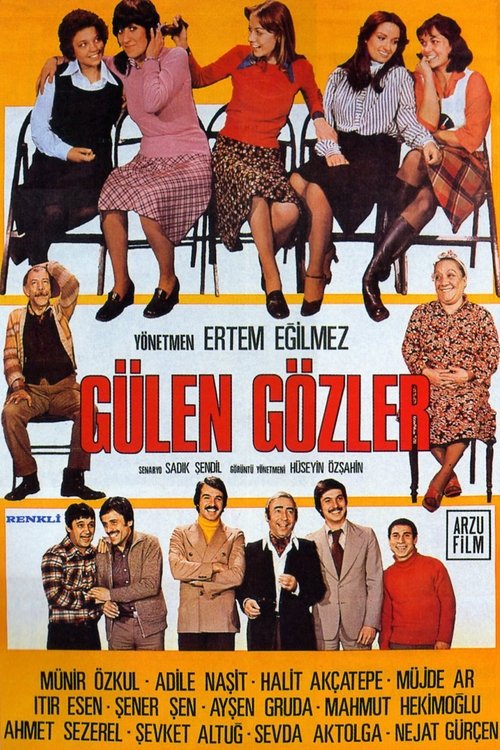
Smiling Eyes
1977
No user ratings available yet
Diversity score: 3.4 out of 10
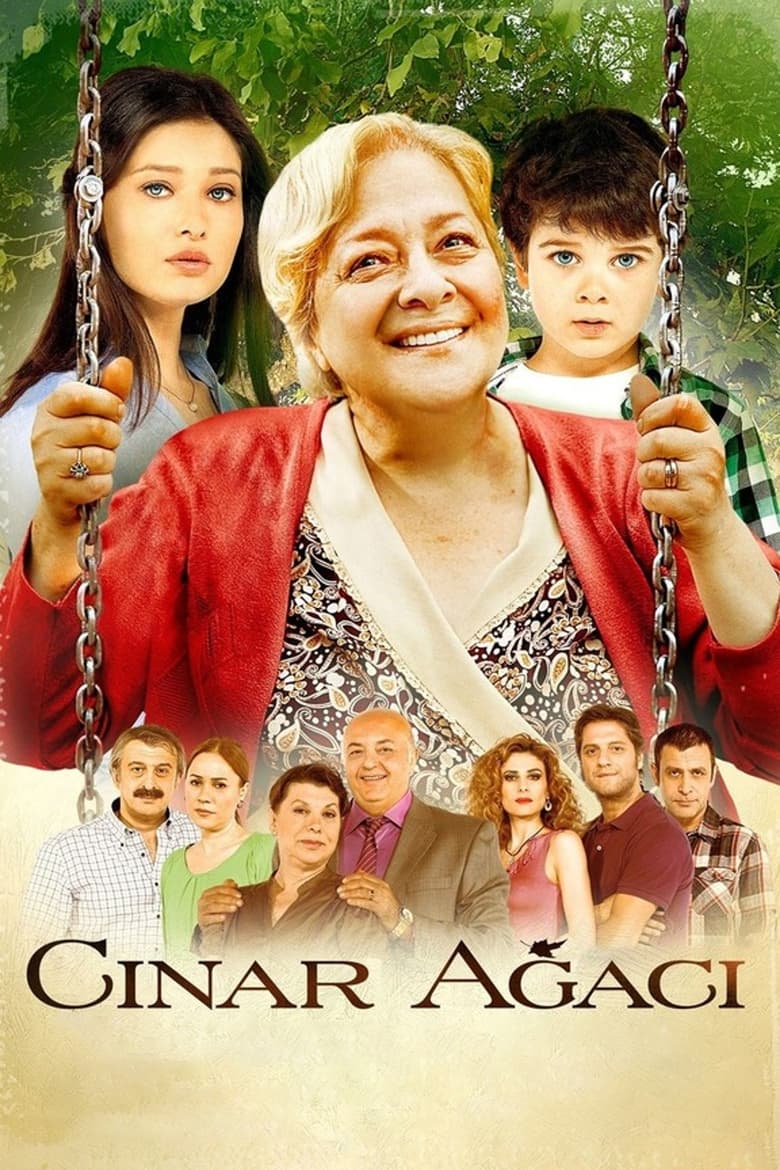
2011
Director
Handan İpekçi
Runtime
114 minutes
Average Rating
No ratings yetSynopsis
A matriarch and her grandson forge a special bond during family picnics every two months, until her health causes a conflict among the relatives.
Overall Score
Fair
Category Breakdown
LGBTQ+ Representation
The film focuses on intergenerational bonds and familial cohesion. There is no explicit evidence of non-heteronormative identities within the narrative framework.
Gender Representation
A matriarch serves as the emotional and structural anchor of the family. This positioning elevates female agency and disrupts traditional patriarchal leadership.
Racial & Ethnic Diversity
As a Turkish production, the film offers a localized perspective. While the cast appears homogeneous, it avoids Western-centric storytelling norms.
Religious & Cultural Diversity
The story deconstructs idealized family tropes through realistic depictions of caretaking and illness. It leans toward a secularized view of family obligations.
Disability Representation
The matriarch's declining health drives the central conflict. The film uses physical vulnerability to explore the nuances of aging and frailty.
Strengths
Areas for Improvement
AI Analysis
The Plane Tree is a character-driven domestic drama that finds strength in its matriarchal focus. By centering the narrative on a grandmother, the film provides a meaningful look at female agency and the complexities of aging. This approach moves the story away from idealized, harmonious family tropes. However, the film lacks broader intersectional markers. The narrative operates within a relatively homogeneous cultural framework and does not explicitly address LGBTQ+ identities. This keeps the representation within a moderate, localized range. Ultimately, the film succeeds as a nuanced study of familial instability and the burdens of caretaking, even if it remains within a traditional social structure.
No reviews yet. Be the first to share your thoughts on this movie!
Use the rating form above to leave a star rating and optional review.