Surreal Love From the Wasteland
2007
No user ratings available yet
Diversity score: 4.7 out of 10
2004
Director
Yılmaz Erdoğan
Runtime
111 minutes
Average Rating
No ratings yetSynopsis
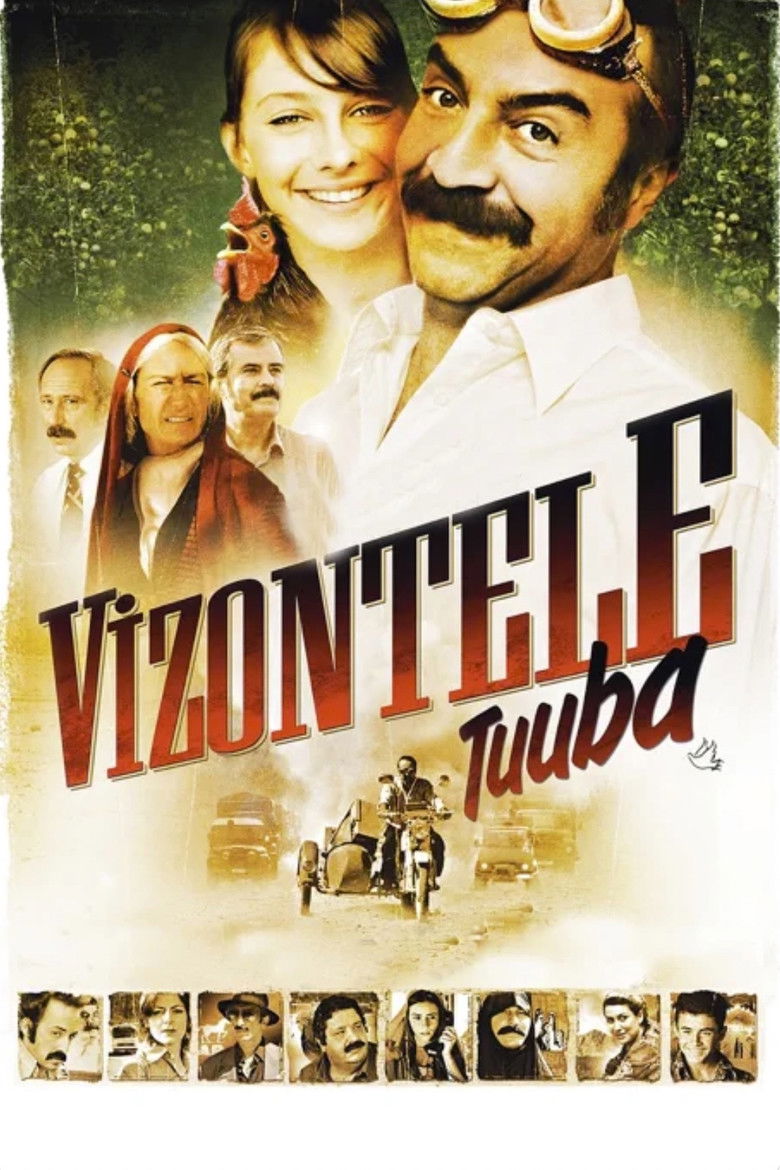
Guner Sernikli is a government official who, with his wife and their wheelchair bound daughter, has been assigned as the head librarian to this isolated province, virtually an exile since there is no library in the village. The family is warmly welcome, but these are the years of political anarchy and leftist/rightist clashes in big cities and the youth of the village inevitably follow the tides. They arrive in Vizontele, just as the situation is becoming really absurd. Guner brings wisdom; his daughter Tuba brings beauty, innocence and love. Some like the Mayor, Nazmi Dogan and crazy Emin appreciate these things but they are in the minority and confusion continues to reign. The story is based on the memories of writer-director Yılmaz Erdoğan of the last summer of his childhood in Hakkâri, Turkey in 1980.
Overall Score
Fair
Category Breakdown
LGBTQ+ Representation
The film focuses on communal shifts in a traditional rural village. There is no discernible presence of LGBTQ+ characters or narratives exploring non-heteronormative identities.
Gender Representation
Gender roles reflect the historical reality of rural Anatolia, with women primarily in domestic spheres. While Tuba is central to the emotional core, her agency is expressed through innocence rather than subverting patriarchal hierarchies.
Racial & Ethnic Diversity
The film elevates a specific regional identity by moving the gaze away from Istanbul to the periphery. It succeeds in giving narrative importance to the local Anatolian culture of Hakkâri.
Religious & Cultural Diversity
The story effectively critiques how rapid modernization and Western-style mass media destabilize local identities. It explores the tension between traditional social cohesion and the disruptive power of new technology.
Disability Representation
Tuba is depicted as wheelchair-bound, and her disability is integrated into her identity as a source of beauty and love. She serves as a vital emotional catalyst for her family.
Strengths
Areas for Improvement
AI Analysis
Vizontele Tuuba is a culturally significant period piece that prioritizes regional authenticity over the subversion of social hierarchies. It excels at portraying the specific atmosphere of Hakkâri and the impact of modernization on isolated communities. However, the film remains anchored in the traditional social structures of its 1980s setting. It lacks representation of queer identities and maintains conventional gender roles where women are largely confined to familial contexts. Ultimately, the film is a nuanced look at the friction between tradition and modernity, providing meaningful regional representation while operating within the conservative frameworks of its historical era.
2007
2001
2008
2013
2009
2011
1999

2017
1982
1988
2005
1990
No reviews yet. Be the first to share your thoughts on this movie!
Use the rating form above to leave a star rating and optional review.