Welcome to Hartmanns
2016
No user ratings available yet
Representation score: 4.5 out of 10
Representation Score
Fair
2016
Director
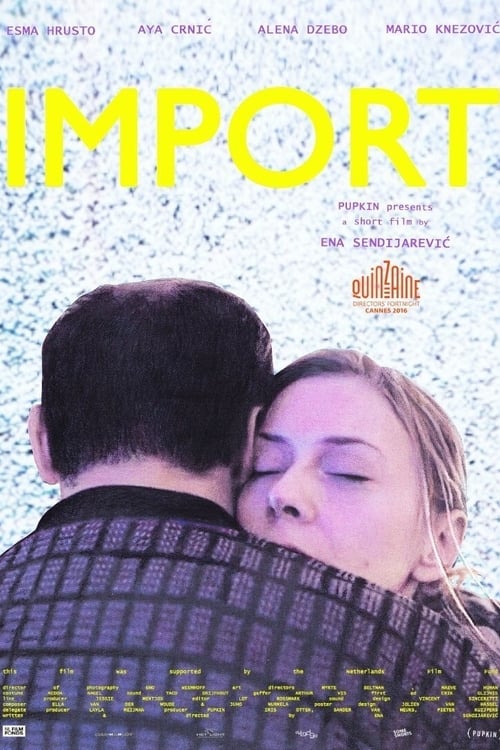
Ena Sendijarević
Runtime
17 minutes
Average Rating
No ratings yetNew Showbiz Analysis
The film provides a nuanced perspective on the immigrant experience by focusing on a Bosnian refugee family in a Dutch village. It uses absurdity to explore the tension between individual identity and systemic structures. The film disrupts Eurocentric narratives by making the displaced family the primary lens through which the world is viewed, offering high levels of ability to act to a non-Western group. However, it lacks specific representation of LGBTQ+ identities or disability.
Category Breakdown
The film does not explicitly address LGBTQ+ identities or include specific character arcs related to non-straight relationships.
The story focuses on a young family, exploring the negotiation of traditional domestic roles and challenging conventional family hierarchies.
The film centers on a Bosnian refugee family in a Dutch village, providing actively leading representation and challenging the outsider cliché in a homogeneous setting.
The narrative uses absurdity to critique the seamless integration process, highlighting the disconnect between institutional procedures and the lived experiences of displaced individuals.
There is no specific indication of characters with visible or invisible disabilities in the film.
Present on Screen
Limited or Absent
Official Synopsis
In 1994, a young family of Bosnian refugees find themselves in a little Dutch village after receiving their residence permit. Absurd situations occur as they attempt to turn this new world into their home.
2016
2011
2019

2020
2015

2017
2006

2020
No reviews yet. Be the first to share your thoughts on this movie!
Use the rating form above to leave a star rating and optional review.