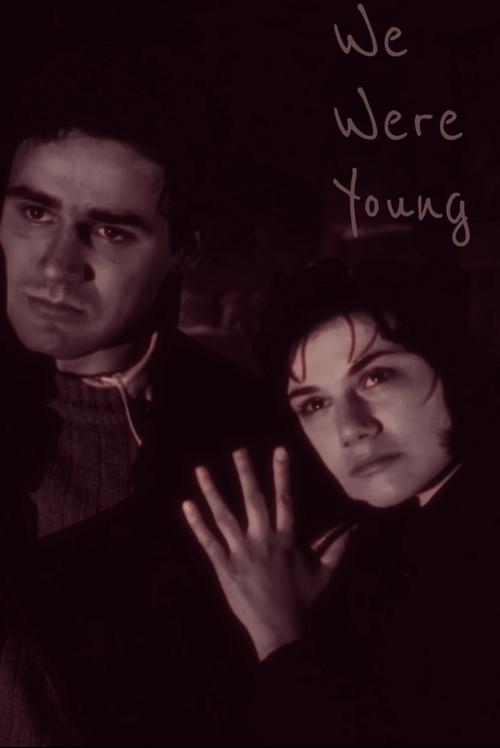
We Were Young
1961
No user ratings available yet
Representation score: 3.9 out of 10
Representation Score
Limited
1959
Director
Yevgeni Tashkov
Runtime
80 minutes
Average Rating
No ratings yetNew Showbiz Analysis
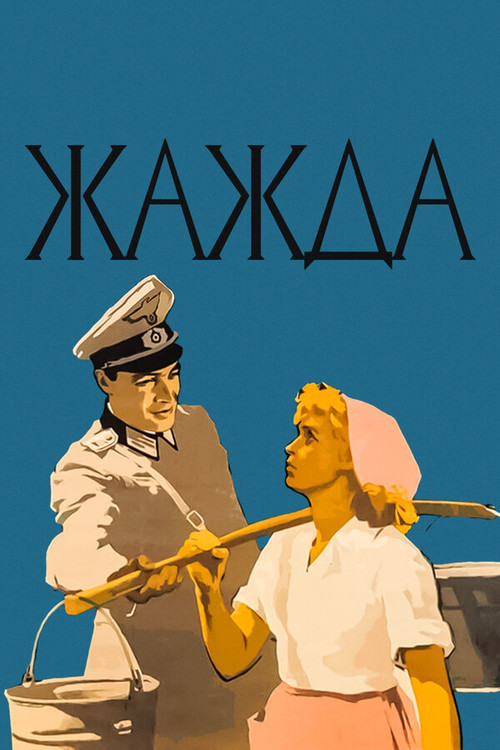
Thirst is a product of its specific historical and geopolitical era, focusing on wartime heroism and collective struggle. The narrative architecture prioritizes a unified Soviet identity and masculine leadership, which limits the scope of multi-layered representation. While the film offers cultural depth by critiquing Western occupation and emphasizing state duty, it lacks modern diversity standards. The focus remains on a singular, traditional wartime experience rather than a broad spectrum of identities. Ultimately, the film serves as a reflection of mid-century Soviet cinematic values, emphasizing nationalistic and collectivist themes over individualistic or diverse social perspectives.
Category Breakdown
The film adheres to the social constraints and traditional gender expectations of the 1959 Soviet era. There are no LGBTQ+ characters or narratives that challenge the assumption that everyone is straight or cisgender.
The narrative centers on a male protagonist performing high-stakes military operations. Women likely occupy roles defined by domesticity or supportive functions rather than leadership positions.
The cast likely reflects the ethnic composition of the USSR during WWII. The film prioritizes a unified Soviet identity rather than diverse or metaphorical casting.
The story critiques systemic control by an occupying force through the reclamation of a water plant. It emphasizes collectivist duty and sacrifice for the state.
There is no evidence regarding the portrayal of physical or neurodivergent disabilities in this production.
Present on Screen
Limited or Absent
Official Synopsis
Based on real events. Vyacheslav Tikhonov, in the first of his spy roles, portrays a scout in an operation to free an Odessa water plant from the Nazis.
1961
1977
1962

2015
1964
1961
1931
1950
No reviews yet. Be the first to share your thoughts on this movie!
Use the rating form above to leave a star rating and optional review.