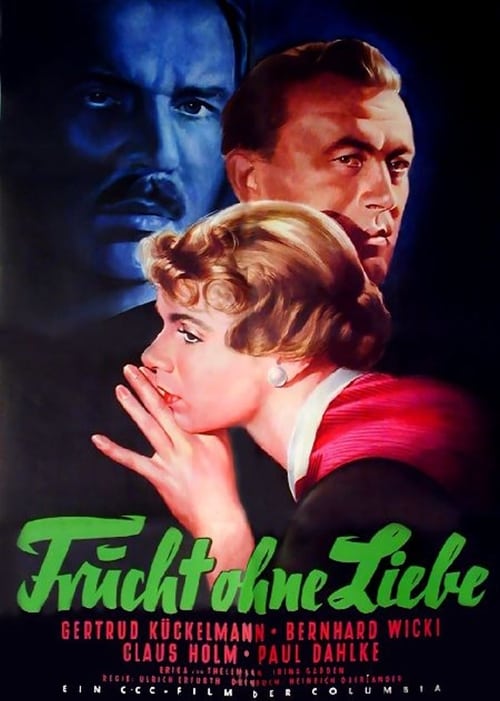
Frucht ohne Liebe
1956
No user ratings available yet
Representation score: 1.4 out of 10
No Poster Available
Representation Score
Limited
1958
12Director
Fritz Stapenhorst
Average Rating
No ratings yetNew Showbiz Analysis
Es war die erste Liebe is a conventional mid-century drama reflecting the social constraints of 1958. The film operates within a traditional framework, prioritizing established social norms over progressive narrative structures. Given its production in the late 1950s, the film lacks the layered identity politics found in modern cinema. The storytelling favors stable family structures and traditional morality. Ultimately, the film serves as a product of its era, maintaining the cultural and demographic status quo of Western Europe during its release.
Category Breakdown
The film does not include any explicit LGBTQ characters or critique of straight relationships. It adheres to the strict heterosexual standards typical of 1950s European cinema.
The cinematic language of this era reinforces traditional gender roles. There is no evidence of challenging domestic roles or non-traditional portrayals of masculinity.
The production context suggests a homogeneous European cast. The narrative appears centered on traditional Western demographics without any documented evidence of diverse casting.
The narrative likely aligns with the 1950s emphasis on stable social institutions and traditional morality. It does not appear to deconstruct Western values or promote secularism.
There is insufficient data to determine if any visible or invisible disabilities are portrayed in the film.
Present on Screen
Limited or Absent
1956
1931
1975

1951
1953
1958
1953
1960
No reviews yet. Be the first to share your thoughts on this movie!
Use the rating form above to leave a star rating and optional review.