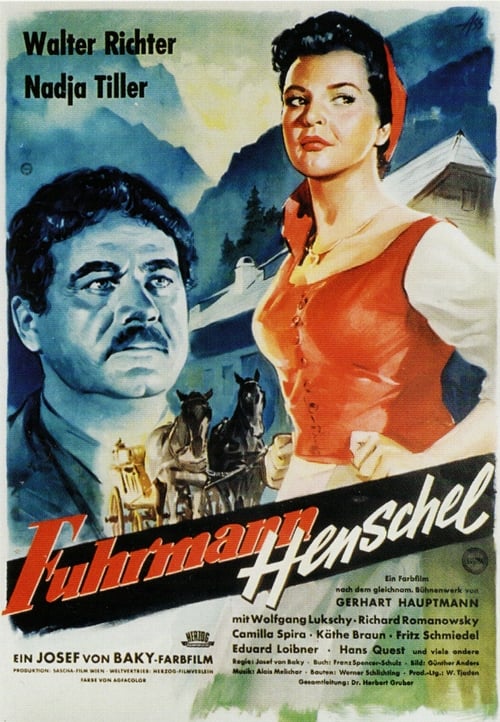
Fuhrmann Henschel
1956
No user ratings available yet
Representation score: 0.4 out of 10
Representation Score
Minimal
1956
18Director
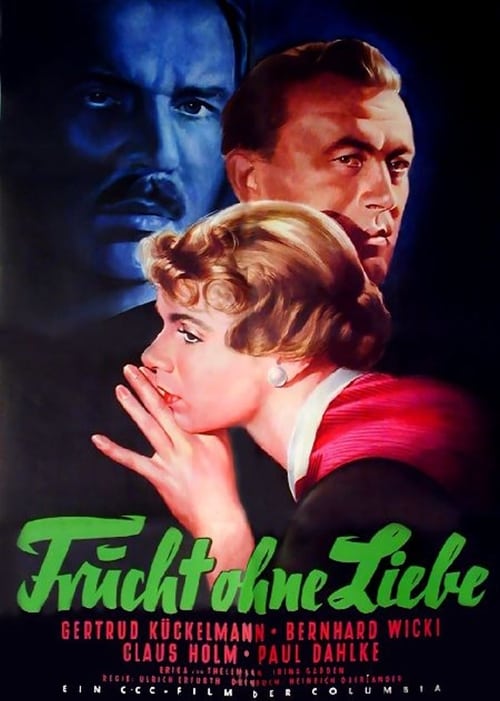
Ulrich Erfurth
Average Rating
No ratings yetNew Showbiz Analysis
Frucht ohne Liebe is a product of its specific temporal and cultural context, offering a cinematic experience rooted in the traditionalist landscape of the 1950s. The film prioritizes conventional social structures and homogeneous casting, limiting the presence of diverse identities. The narrative structure focuses on established moral orders and domestic themes. This results in a lack of representation for diverse racial, ethnic, or LGBTQ+ perspectives, as the work stays within the era's standard social constraints.
Category Breakdown
The film adheres to the strict social norms of 1956. It lacks depictions of same-sex intimacy or non-binary gender identities, reinforcing the assumption that everyone is straight or cisgender.
Female characters likely serve as emotional anchors within domestic dramas. Their roles appear limited by traditional gender expectations of the time.
The casting reflects the homogeneous demographics of 1950s Europe. There is no evidence of diverse ethnic perspectives or casting that breaks from standard period practices.
The narrative operates within a traditional Western moral framework. It upholds conventional views on family stability and social cohesion, reflecting the era’s institutional norms.
There is no verifiable evidence regarding the portrayal of characters with physical or neurodivergent disabilities in this work.
Present on Screen
Limited or Absent
1956
1960
1953
1958
1953
1975
1945
1944
No reviews yet. Be the first to share your thoughts on this movie!
Use the rating form above to leave a star rating and optional review.