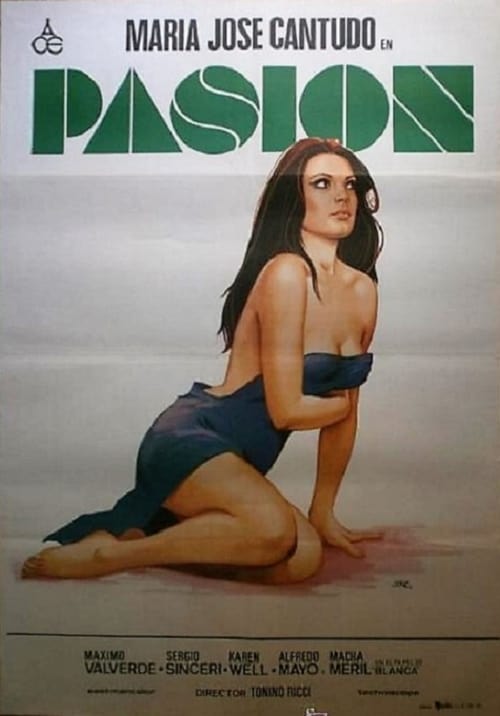
Pasión
1977
No user ratings available yet
Representation score: 0.0 out of 10

Representation Score
Limited
1975
Director
Germán Lorente
Runtime
0 minutes
Average Rating
No ratings yetNew Showbiz Analysis
Sensualidad presents a casting profile typical of mid-1970s European drama, offering moderate visibility for women and some racial integration through actors like Ramiro Oliveros. While the cast is notable, the film's ability to challenge social hierarchies remains unproven. The production era suggests a narrative caught between traditional Spanish morality and emerging secularism. However, without specific character arcs, it is difficult to determine if the film critiques these structures or reinforces them. Ultimately, the film operates within the established social and cinematic hierarchies of its time, providing a baseline of diversity without clear evidence of progressive representation or ability to act.
Category Breakdown
The film does not have clear evidence of LGBTQ+ identities or narratives. Given the 1975 Spanish cinematic context, there is no indication of LGBTQ+ characters or stories.
Female leads like Amparo Muñoz and Blanca Estrada provide significant visibility. However, it remains unclear if these characters have genuine ability to act or follow traditional era-specific roles.
Ramiro Oliveros's presence indicates some racial integration within the cast. It is uncertain, however, if his role offers character depth or follows limited mid-70s archetypes.
Produced during Spain's transition from the Francoist regime, the film likely navigates tensions between Catholic morality and secularism. The narrative's stance on these institutions is unconfirmed.
There is no information regarding the inclusion of characters with visible or invisible disabilities.
Present on Screen
Limited or Absent
1977

1976
1982

1973

1972

1969
1976

1972
No reviews yet. Be the first to share your thoughts on this movie!
Use the rating form above to leave a star rating and optional review.