Er
1983
No user ratings available yet
Representation score: 0.0 out of 10
Representation Score
Limited
2003
Director
Maurizio Zaccaro
Runtime
98 minutes
Average Rating
No ratings yetNew Showbiz Analysis
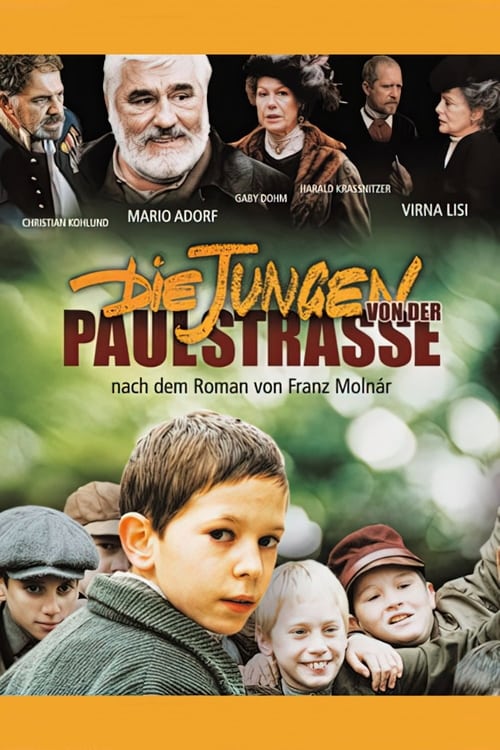
Die Jungen von der Paulstraße is a period drama that prioritizes historical realism over modern diverse representation. The narrative focuses on socioeconomic class and the volatility of post-war social structures. The film provides some ability to act to female characters, particularly through Edit, but the framework remains rooted in early 20th-century social hierarchies. It lacks the intentionality of contemporary progressive design. Ultimately, the work explores universal themes of youth autonomy and domestic instability within a culturally specific, homogeneous setting.
Category Breakdown
The film adheres to traditional romantic and familial structures. It does not include any non-cisgender identities or narratives that question the assumption that everyone is straight.
Though the central conflict is male-dominated, Edit provides meaningful ability to act to challenge the status quo. However, the mother's affair risks reinforcing traditional moral scrutiny of women.
The story reflects the demographic homogeneity of post-WWII reconstruction. It lacks non-white characters and focuses on a localized European experience.
The narrative explores generational friction and the breakdown of the family unit through tragic circumstances. It depicts these shifts without an explicit critique of Western institutions.
There are no visible or invisible disabilities portrayed with ability to act. No characters have roles defined by physical or neurodivergent conditions.
Present on Screen
Limited or Absent
Official Synopsis
Coming from a modest background, little Nemecsek faces a tough test in life at an early age: his mother has to leave home after his father discovers her affair with the wealthy merchant Kovacs. At the same time, Nemecsek is fighting for a playground on Paul Street. But the property belongs to old Jan. Only with the help of Edit, his friend's grandmother, who recognizes Jan as her old childhood sweetheart, can the property be won as a playground. Soon, the beloved playground is in danger of being lost not only to a rival youth gang, but also to Julia, Janos' ex-wife. She has big construction plans for the property. The leader of the "Boys of Paul Street" is Boka. His father is a gambler and cannot fight his addiction. One day, Boka has to watch as his father narrowly escapes death in a duel. Nemecsek fights to the bitter end. Will he win the battle...?
1983
1997

2003

2017
1993
1993

2009

2000
No reviews yet. Be the first to share your thoughts on this movie!
Use the rating form above to leave a star rating and optional review.