Jesse Owens
2012
No user ratings available yet
Representation score: 8.5 out of 10
Representation Score
Excellent
2016
TV-PGDirector
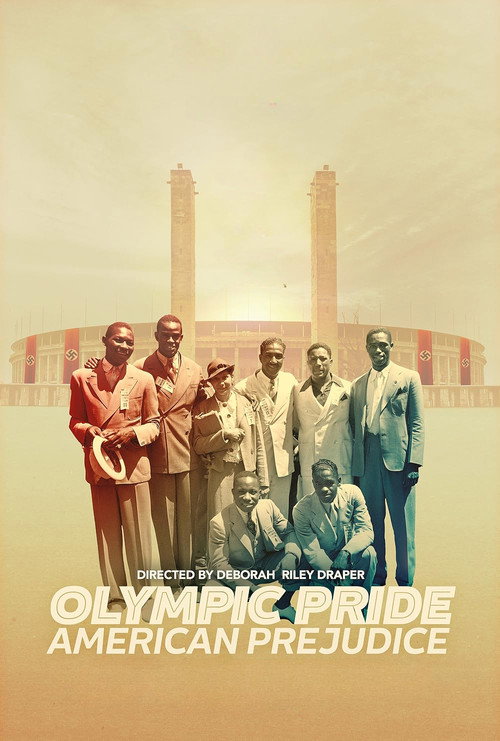
Deborah Riley Draper
Runtime
90 minutes
Average Rating
No ratings yetNew Showbiz Analysis
Deborah Riley Draper’s documentary offers a crucial correction to the singular 'Great Man' narrative of the 1936 Olympics. By shifting focus from Jesse Owens to the collective 'Black Auxiliary,' the film dismantles the myth of a neutral sporting arena. The documentary is most compelling when it examines the intersection of Nazi Aryan supremacy and American Jim Crow segregation. It effectively frames athletic excellence as a form of systemic resistance against institutionalized prejudice. While the film provides a sophisticated critique of racial and cultural issues, it lacks depth regarding LGBTQ+ identities and specific disability narratives. However, its focus on the multi-layered struggle of eighteen athletes remains a profound historical revision.
Category Breakdown
The documentary does not include explicit LGBTQ+ narratives or diverse gender identities. Its primary focus is on racial and systemic justice issues.
The film focuses on male athletes but also highlights the experiences of female Black athletes. It avoids reinforcing patriarchal stereotypes by emphasizing a shared struggle for respect and dignity.
This work excels by centering Black narratives within a predominantly Eurocentric history. It recovers the identities of underrepresented athletes to challenge systemic racial hierarchies and historical erasure.
The film critiques the hypocrisy of American ideals during the Jim Crow era and the historical upholding of white supremacy through the Olympic Ideal. It exposes the contradictions within institutional power structures.
While not focusing on specific physical disabilities, the film addresses the psychological burden of prejudice. It explores the invisible burdens faced by underrepresented individuals in hostile environments.
Present on Screen
Limited or Absent
Official Synopsis
In 1936, 18 African American athletes dubbed the "black auxiliary" by Hitler defied Nazi Aryan Supremacy and Jim Crow Racism to win hearts and medals at the 1936 Summer Olympic Games in Berlin. The world remembers Jesse Owens. But, Olympic Pride American Prejudice shows how all 18 are a seminal precursor to the modern Civil Rights Movement.
2012
2016
2010
2016
2003
2005
2012
2017
No reviews yet. Be the first to share your thoughts on this movie!
Use the rating form above to leave a star rating and optional review.