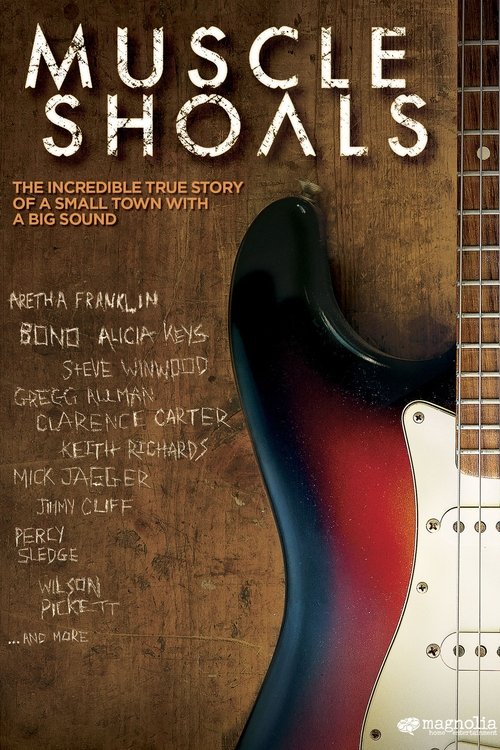
Muscle Shoals
2013
No user ratings available yet
Diversity score: 7.8 out of 10
2006
UnratedDirector
Maureen Castle Tusty, James Tusty
Runtime
94 minutes
Average Rating
No ratings yetSynopsis
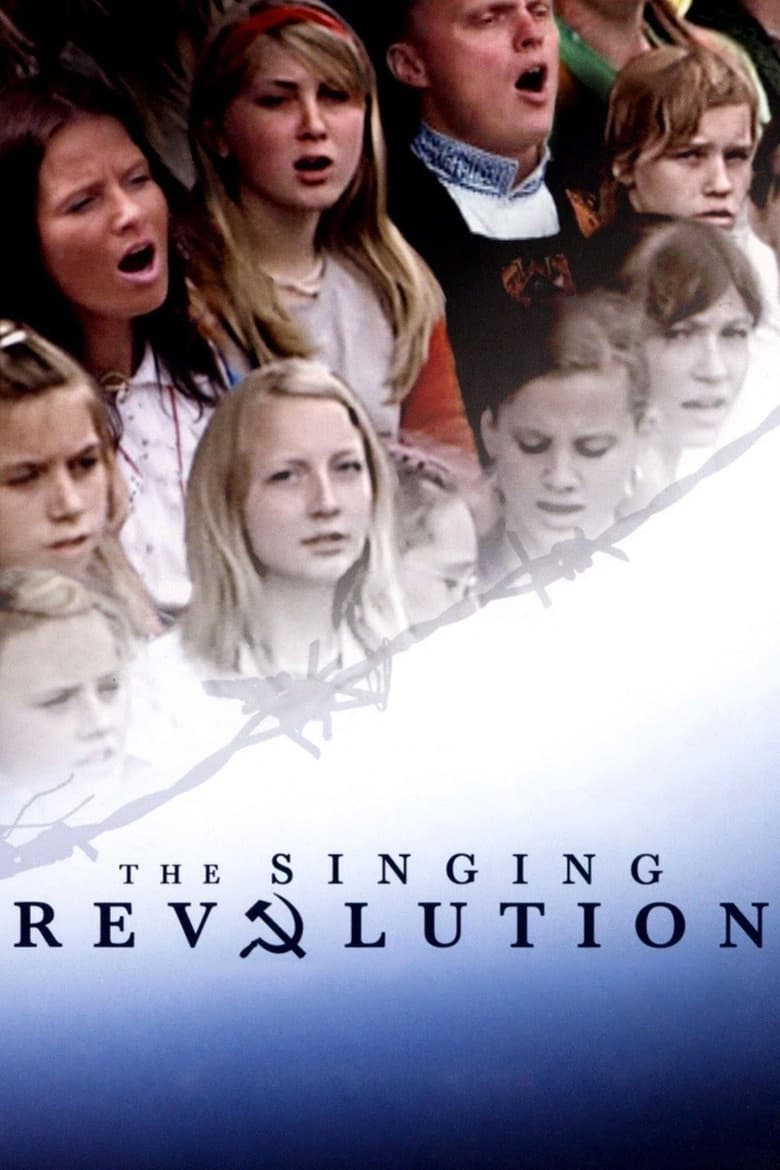
Most people don't think about singing when they think about revolutions. But song was the weapon of choice when, between 1986 and 1991, Estonians sought to free themselves from decades of Soviet occupation. During those years, hundreds of thousands gathered in public to sing forbidden patriotic songs and to rally for independence. "The young people, without any political party, and without any politicians, just came together ... not only tens of thousands but hundreds of thousands ... to gather and to sing and to give this nation a new spirit," remarks Mart Laar, a Singing Revolution leader featured in the film and the first post-Soviet Prime Minister of Estonia. "This was the idea of the Singing Revolution." James Tusty and Maureen Castle Tusty's "The Singing Revolution" tells the moving story of how the Estonian people peacefully regained their freedom--and helped topple an empire along the way.
Overall Score
Good
Category Breakdown
LGBTQ+ Representation
The documentary focuses on a broad-based national movement centered on ethnic and political sovereignty. There is no explicit depiction of LGBTQ+ identities or non-cisnormative gender expressions.
Gender Representation
The film avoids patriarchal hierarchies by centering a mass movement rather than a singular male leader. Footage captures a diverse cross-section of genders participating in mass gatherings.
Racial & Ethnic Diversity
The film serves as a profound study of ethnic agency for Estonian, Latvian, and Lithuanian populations. It highlights the struggle of non-dominant groups to maintain autonomy against imperial power.
Religious & Cultural Diversity
The narrative showcases a unique form of non-violent resistance that prioritizes cultural expression. It validates the struggle for self-determination against a centralized, authoritarian power.
Disability Representation
The film does not explicitly center the experiences of individuals with disabilities. While capturing a broad demographic, there is no specialized focus on neurodivergence or physical disability.
Strengths
Areas for Improvement
AI Analysis
The Singing Revolution is a powerful historical document that centers on the reclamation of ethnic and cultural sovereignty. Its primary strength lies in portraying the collective agency of the Baltic people against Soviet hegemony. While the film excels at depicting mass ethnic mobilization and non-violent cultural resistance, it lacks specific representation for LGBTQ+ identities and disability-specific narratives. The focus remains on broad national movements rather than individual marginalized identities. Ultimately, the film succeeds as a study of decolonization and the power of shared heritage to disrupt oppressive systemic authority.
No reviews yet. Be the first to share your thoughts on this movie!
Use the rating form above to leave a star rating and optional review.