Miles Davis: Birth of the Cool
2019
No user ratings available yet
Representation score: 7.1 out of 10
Representation Score
Excellent
2013
PGDirector
Greg 'Freddy' Camalier
Runtime
111 minutes
Average Rating
No ratings yetNew Showbiz Analysis
Muscle Shoals serves as a powerful study of cooperation among different racial groups. By focusing on the creative ability to act of Black artists within a historically hostile environment, the film challenges traditional Southern historical narratives. It illustrates how identity-based systemic barriers can be navigated through shared cultural production. The documentary excels by highlighting the miraculous blending of Black and white musicians in a segregated Alabama context. This focus provides a high level of ability to act for Black musicians and prioritizes racial integration through art. While the film is strong on racial and cultural themes, it lacks specific information regarding LGBTQ+ or disability representation. The narrative remains primarily focused on the musical and racial landscape of the era.
Category Breakdown
The film focuses on racial dynamics and musical history. There is no explicit mention of LGBTQ+ characters or themes.
The film highlights the power of female artists through iconic tracks like 'I Never Loved a Man.' It emphasizes the collaborative strength of female artists within the industry.
The film centers on Black and white musicians collaborating during periods of intense racial hostility. It highlights how creative partnerships served as a bridge across systemic divides.
The story frames the musical community as a space where systemic racial barriers were bypassed. It centers the 'Muscle Shoals sound' as a product of cross-cultural cooperation.
There is no evidence regarding the portrayal of physical or neurodivergent identities.
Present on Screen
Limited or Absent
Official Synopsis
In a tiny Alabama town with the curious name of Muscle Shoals, something miraculous sprang from the mud of the Tennessee River. A group of unassuming, yet incredibly talented, locals came together and spawned some of the greatest music of all time: “Mustang Sally,” “I Never Loved a Man,” “Wild Horses,” and many more. During the most incendiary periods of racial hostility, white folks and black folks came together to create music that would last for generations and gave birth to the incomparable “Muscle Shoals sound.”
2019
2018
2018
1999
2017
2008
2014
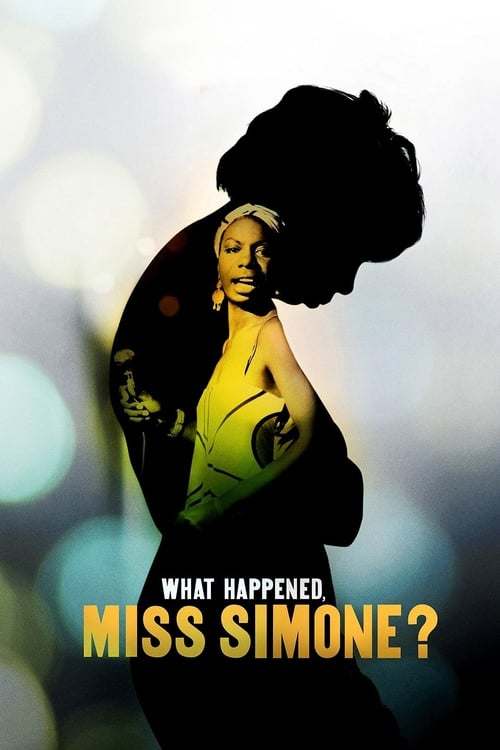
2015
No reviews yet. Be the first to share your thoughts on this movie!
Use the rating form above to leave a star rating and optional review.