Seabiscuit
2003
No user ratings available yet
Representation score: 2.9 out of 10
Representation Score
Limited
2003
TV-GDirector
Stephen Ives
Runtime
53 minutes
Average Rating
No ratings yetNew Showbiz Analysis
Seabiscuit serves as a traditional biographical documentary that emphasizes historical realism and the classic underdog archetype. It captures the essence of the 1930s through the lens of individual perseverance and economic hardship. However, the film adheres strictly to the social hierarchies of its era. The narrative structure reinforces conventional masculine leadership and lacks the intentionality needed to challenge established racial or gender norms. While it effectively highlights the precarious economic conditions of the Great Depression, it does so within a framework that maintains existing institutional and social structures.
Category Breakdown
The film does not include any LGBTQ+ identities or experiences. It focuses on the male characters and traditional family relationships without representing any non-binary or transgender identities.
The plot is driven almost entirely by male characters, such as the owner, trainer, and jockeys. Women are primarily shown in traditional domestic roles rather than as central figures.
The film reflects the predominantly white cast of the 1930s racing industry. It lacks diverse ethnic perspectives and does not explore multi-layered racial complexity.
The film highlights the socioeconomic struggles of the Great Depression era. It emphasizes personal resilience and the bond between man and horse, focusing less on systemic issues.
Physical hardship is symbolized through the horse's struggles. The film does not significantly represent human neurodivergence or physical disabilities with meaningful ability to act.
Present on Screen
Limited or Absent
Official Synopsis
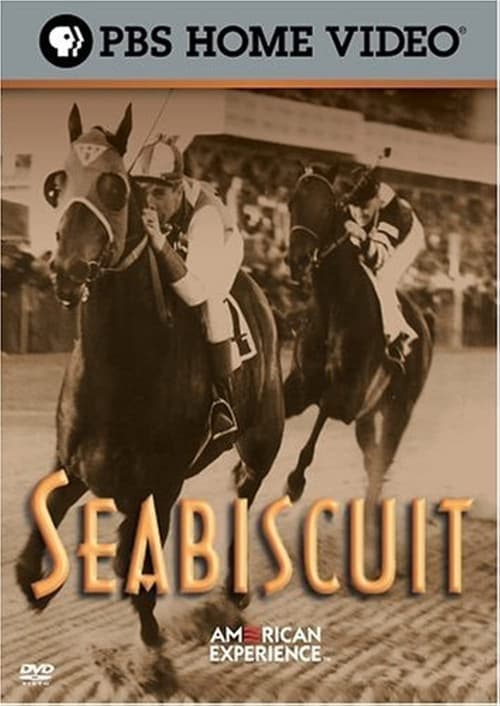
He was boxy, with stumpy legs that wouldn't completely straighten a short straggly tail and an ungainly gait; though he didn't look the part, Seabiscuit was one of the most remarkable thoroughbred racehorses in history. In the 1930s, when Americans longed to escape the grim realities of Depression-era life, four men turned Seabiscuit into a national hero. They were his fabulously wealthy owner Charles Howard, his famously silent and stubborn trainer Tom Smith and the two hard-bitten, gifted jockeys who rode him to glory. By following the paths that brought these four together and in telling the story of Seabiscuit's unlikely career, this film illuminates the precarious economic conditions that defined America in the 1930s and explores the fascinating behind-the-scenes world of thoroughbred racing. Scott Glenn narrates.
2003

2014
2012
1994

2016
2010
2012

2010
No reviews yet. Be the first to share your thoughts on this movie!
Use the rating form above to leave a star rating and optional review.