
Chris Watts: Confessions of a Killer
2020
No user ratings available yet
Representation score: 1.6 out of 10
Representation Score
Minimal
2017
Director
Nicholas McCarthy
Runtime
120 minutes
Average Rating
No ratings yetNew Showbiz Analysis
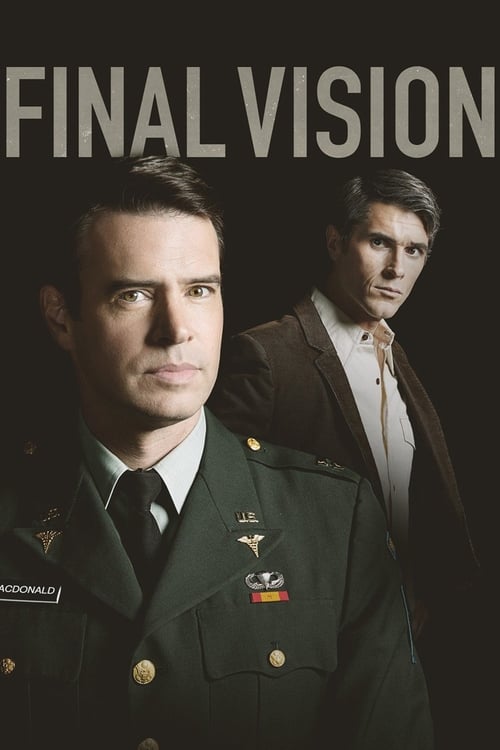
Final Vision operates as a conventional crime drama centered on a specific historical tragedy. The narrative structure emphasizes the mechanics of a domestic crime and legal conviction over the exploration of diverse identities. The film adheres to traditional storytelling formulas, focusing on a male perpetrator and his family within a homogeneous framework. It lacks the challenge of social hierarchies or the inclusion of varied backgrounds necessary for a higher diversity score. Ultimately, the work appears to be a narrow character study of individual criminality rather than a broader exploration of cultural or social dynamics.
Category Breakdown
The film does not feature any visible LGBTQ+ characters or narratives. The story revolves around a domestic crime involving a husband and his family.
The narrative centers on a male protagonist and his female family members. However, the female characters appear to have limited control over their circumstances within this traditional crime procedural structure.
The story focuses on a specific domestic unit without indicating a diverse cast. There is no evidence of non-Anglo-Saxon characters or varied backgrounds.
The film follows a standard trajectory of crime and punishment within military and justice systems. It does not appear to question Western institutions or promote moral relativism.
There is no information regarding the depiction of physical, neurodivergent, or mental health disabilities in this work.
Present on Screen
Limited or Absent
Official Synopsis
Capt. Jeffery McDonald is convicted and sentenced to life in prison in 1979 for the murders of his wife and two children at their Fort Bragg home.
2020

1971

2016

1996
1997

2015

2003

2020
No reviews yet. Be the first to share your thoughts on this movie!
Use the rating form above to leave a star rating and optional review.