
Who Killed JonBenét?
2016
No user ratings available yet
Diversity score: 3.6 out of 10
2005
Director
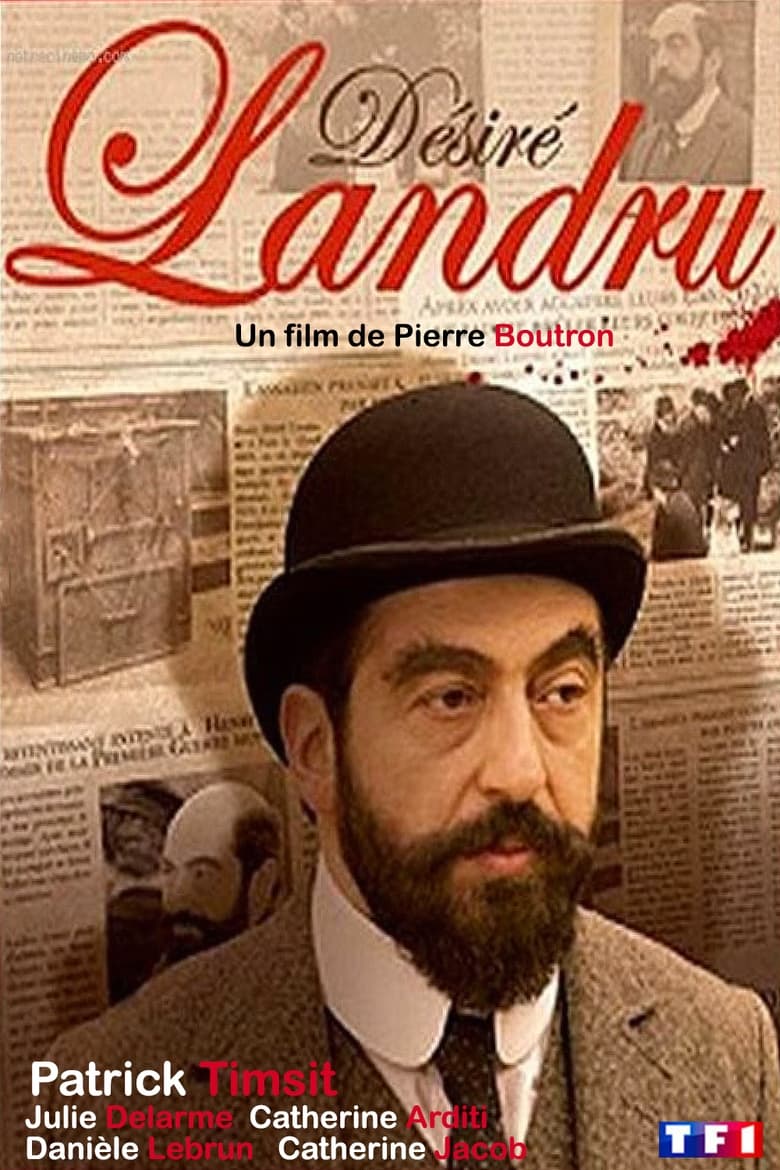
Pierre Boutron
Runtime
96 minutes
Average Rating
No ratings yetSynopsis
Désiré Landru - husband, lover - and murderer. Based on documented facts, this is the full story of one of the most ambiguous criminals and lovers of the 20th century, the first modern serial killer.
Overall Score
Limited
Category Breakdown
LGBTQ+ Representation
The narrative centers on Landru's roles as a husband and lover. There is no explicit evidence of queer subtext or non-cisnormative identities within this historical portrayal.
Gender Representation
The film explores the power dynamics between a predator and his female victims. It follows a standard crime drama structure without clear evidence of subverting gender hierarchies.
Racial & Ethnic Diversity
Set in early 20th-century France, the film reflects the demographic homogeneity of the era. It lacks diverse casting or race-bent characters, adhering to traditional period aesthetics.
Religious & Cultural Diversity
The story functions as a character study of a historical outlier. While it explores moral ambiguity, it does not actively challenge Western institutions or systemic ideologies.
Disability Representation
There is no mention of characters navigating physical or neurodivergent disabilities. The narrative focus remains strictly on the criminal biography.
Strengths
Areas for Improvement
AI Analysis
Désiré Landru is a traditional biographical crime drama that prioritizes historical reconstruction over social disruption. The film focuses on the psychological ambiguity of a specific historical figure rather than intersectional representation. The production adheres to the demographic and aesthetic constraints of early 20th-century France. This results in a narrative that mirrors the homogeneity of its setting rather than introducing modern diversity. Ultimately, the film serves as a character study of a singular criminal. It follows conventional storytelling patterns for the period piece genre without attempting to subvert established social hierarchies.
2016

2020

2004

2020

2017

2003
1997
No reviews yet. Be the first to share your thoughts on this movie!
Use the rating form above to leave a star rating and optional review.