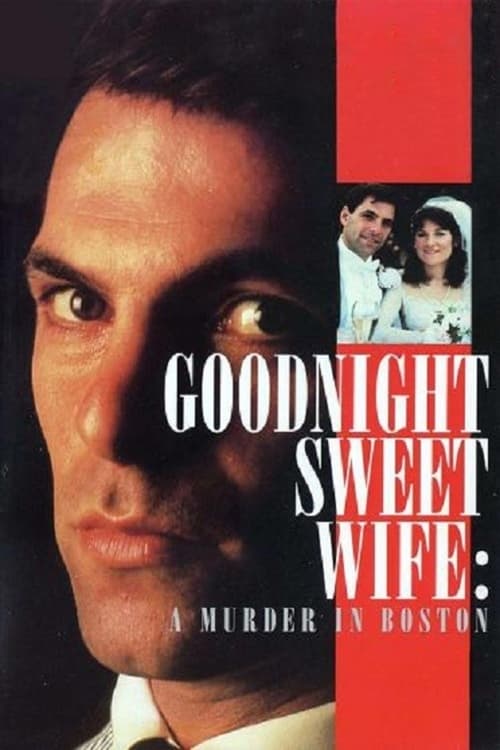
Goodnight Sweet Wife: A Murder in Boston
1990
No user ratings available yet
Representation score: 3.2 out of 10
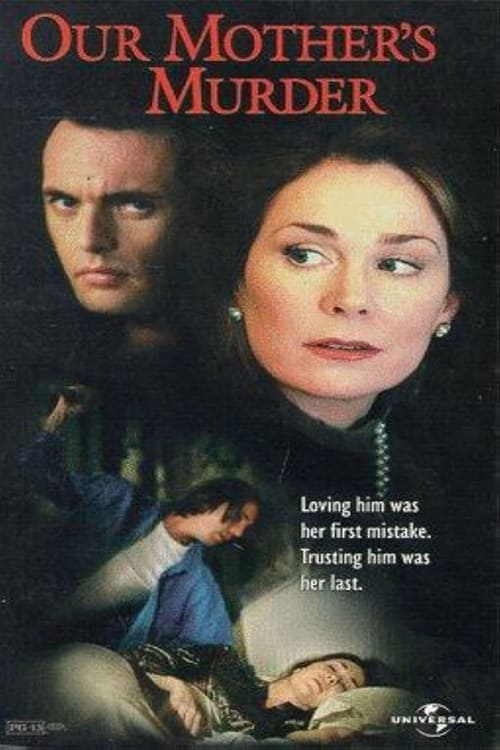
Representation Score
Minimal
1997
PG-13Director
Bill L. Norton
Runtime
97 minutes
Average Rating
No ratings yetNew Showbiz Analysis
Our Mother's Murder is a conventional biographical thriller that prioritizes the dramatization of a specific historical crime. It follows a traditional trajectory of domestic tragedy, focusing on interpersonal conflict rather than sociological exploration. The production lacks the narrative intentionality needed to disrupt social hierarchies. It adheres to the standard moralizing structures common in 1990s true-crime media, offering little depth in reflecting multiple aspects of identity. Ultimately, the film functions as a procedural drama that reinforces established cultural norms rather than challenging them.
Category Breakdown
The film does not include any LGBTQ+ characters or narratives. It focuses solely on a heterosexual marriage and the subsequent murder.
The story centers on a female victim but relies heavily on traditional gendered clichés. The use of the 'young hunk' archetype reinforces conventional domestic power dynamics.
The narrative reflects a homogeneous demographic profile. The focus on a publishing heiress suggests a story rooted in Anglo-Saxon social classes.
The film operates within a standard Western crime-drama framework. It prioritizes individual morality and legal culpability over broader cultural or systemic critiques.
There is no information regarding the inclusion of characters with physical or neurodivergent disabilities.
Present on Screen
Limited or Absent
Official Synopsis
Fact-based true crime story about the murder of publishing heiress Anne Scripps Douglas who, in 1989, married a young hunk who eventually killed her.
1990
2023
1996
1991

2003
1994
1989
1999
No reviews yet. Be the first to share your thoughts on this movie!
Use the rating form above to leave a star rating and optional review.