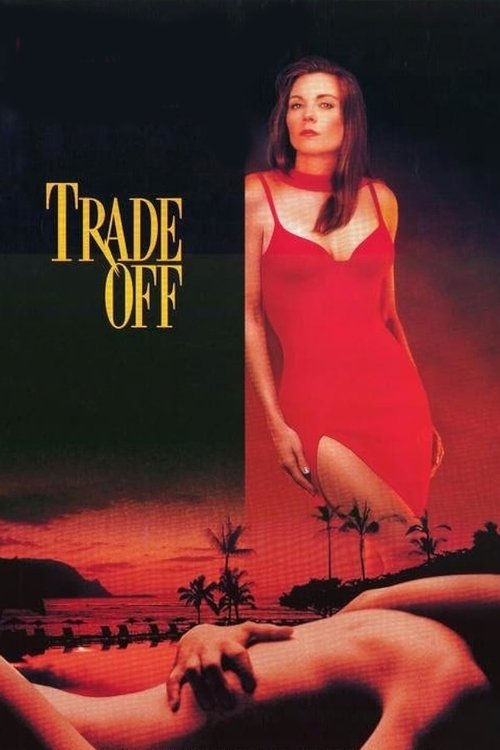
Trade Off
1995
No user ratings available yet
Representation score: 1.8 out of 10
Representation Score
Limited
1993
PG-13Director
John Herzfeld
Runtime
95 minutes
Average Rating
No ratings yetNew Showbiz Analysis
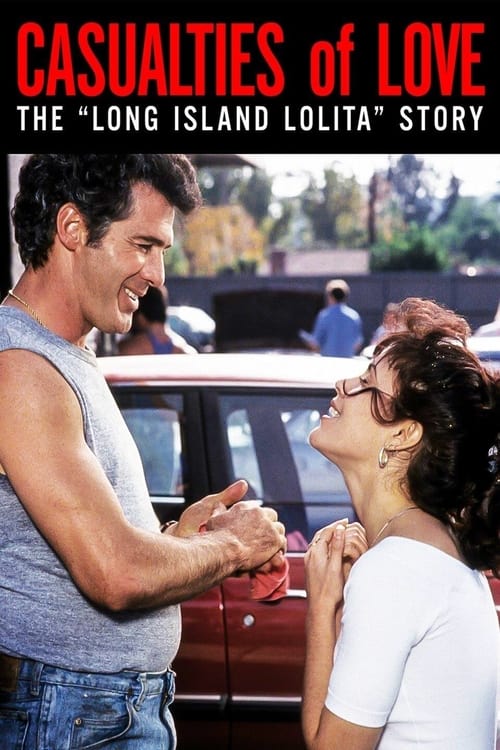
Casualties of Love: The Long Island Lolita Story is a typical mid-90s domestic drama focusing on a romantic transgression between a young girl and a married man. The narrative adheres to standard cinematic formulas of the time. The film does not have the structure to challenge societal hierarchies or provide perspectives reflecting multiple aspects of identity. It relies on traditional relationship dynamics and conventional morality without offering progressive social commentary. Overall, the production is a standard television movie centered on relational conflict within a presumably homogeneous suburban setting.
Category Breakdown
The film focuses on a romantic relationship between a young girl and a married man. It does not include any non-straight or non-cisgender identities or critiques of those norms.
A female character drives the main storyline, offering a baseline for women's influence. However, the story emphasizes domestic instability without challenging traditional gender roles.
The film likely portrays a homogeneous suburban community with no indication of a diverse cast.
The story follows traditional melodramatic themes and conventional morality without exploring alternative cultural or moral perspectives.
There is no mention of characters with visible or invisible disabilities, nor any exploration of neurodivergence or physical disabilities.
Present on Screen
Limited or Absent
Official Synopsis
A young girl falls in love with a married auto body shop worker, leading to dramatic consequences.
1995

1993

2004

1992
1992
2000
1997
No reviews yet. Be the first to share your thoughts on this movie!
Use the rating form above to leave a star rating and optional review.