
I Am Elizabeth Smart
2017
No user ratings available yet
Representation score: 3.5 out of 10
Representation Score
Limited
2003
TV-PGDirector
Bobby Roth
Runtime
120 minutes
Average Rating
No ratings yetNew Showbiz Analysis
The film functions as a standard biographical crime drama that prioritizes historical accuracy over challenging traditional narratives. It adheres strictly to the demographic and social realities of the true-crime event it depicts. Because the narrative focuses on a specific, homogeneous experience, it lacks the diverse casting and identities necessary to challenge traditional power structures. The storytelling relies on established Western values and conventional dramatic formulas. Ultimately, the work serves as a procedural and domestic drama rather than a piece of narrative experimentation. It reinforces existing social hierarchies rather than deconstructing them.
Category Breakdown
The film does not include any LGBTQ+ characters or non-cisgender identities. It focuses solely on heterosexual family dynamics and the relationship between the victim and her abductor.
The story relies on traditional gender roles, centering on a young female protagonist as a victim in need of rescue. It reinforces conventional gendered roles for both the victim and her parents.
The cast is predominantly white and reflects the specific suburban demographic of the historical event. There is no use of diverse casting or perspectives to challenge the status quo.
The film operates within Western social frameworks, emphasizing the sanctity of the domestic sphere and the traditional family unit. Legal institutions are portrayed as the primary mechanism for resolution.
While the film explores the psychological impact of trauma, it does not center on neurodivergence or physical disabilities. Trauma is used as a plot device rather than a primary identity.
Present on Screen
Limited or Absent
Official Synopsis
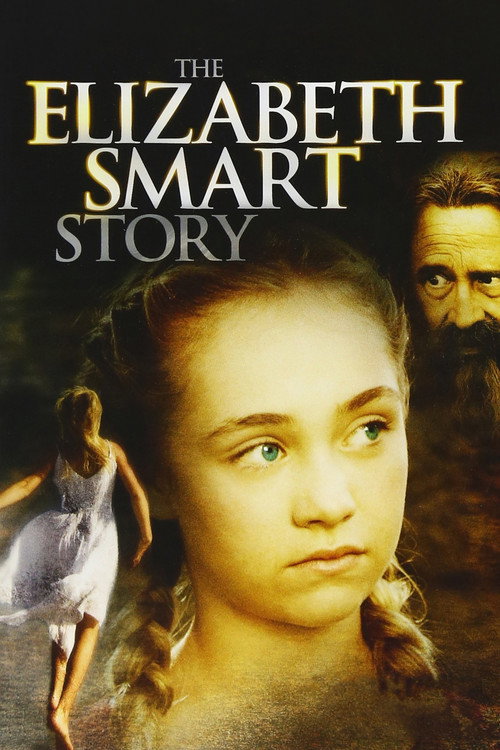
Based on the true story of the kidnapping of teenager Elizabeth Smart,in June 2002, by two people in Salt Lake City, Utah.
2017

2026

2006

2015

2009

2013

2023

2013
No reviews yet. Be the first to share your thoughts on this movie!
Use the rating form above to leave a star rating and optional review.