
The Deliberate Stranger
1986
No user ratings available yet
Representation score: 0.9 out of 10

Representation Score
Limited
2003
Not RatedDirector
Paul Shapiro
Runtime
89 minutes
Average Rating
No ratings yetNew Showbiz Analysis
The film functions as a traditional biographical thriller centered on the psychological tension between Ann Rule and Ted Bundy. Because it recreates a specific historical period from the 1970s, the narrative is shaped by the social realities of that era. The production prioritizes biographical accuracy and procedural details over challenging conventional social structures. It serves as a character study of individual pathology rather than a systemic critique of identity politics. Ultimately, the film lacks the intentionality needed to promote diverse representation, focusing instead on the breakdown of interpersonal trust within a specific historical context.
Category Breakdown
The film focuses on heterosexual relationships and does not include any characters with non-binary gender identities. It also does not challenge the assumption that everyone is straight or cisgender.
Ann Rule offers a female perspective through her work in a clinical setting. However, the story is primarily driven by the actions of a male antagonist.
The 1970s Seattle setting suggests a predominantly white cast. The film seems to reflect the demographic makeup of that time period.
The film follows a traditional crime drama format, focusing on individual behavior and personal experiences. It does not explore narratives that challenge Western or capitalist values.
There is no indication that the film explores neurodivergence or physical disabilities as central themes. The focus remains on criminal psychology rather than disability issues.
Present on Screen
Limited or Absent
Official Synopsis
While working at a Seattle clinic for women in the 1970s, Ann Rule becomes friends with Ted Bundy. Based on a book by Ann Rule.
1986
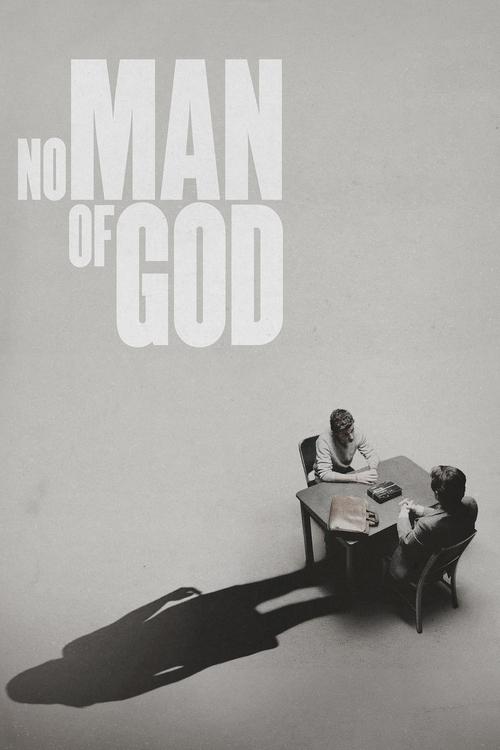
2021
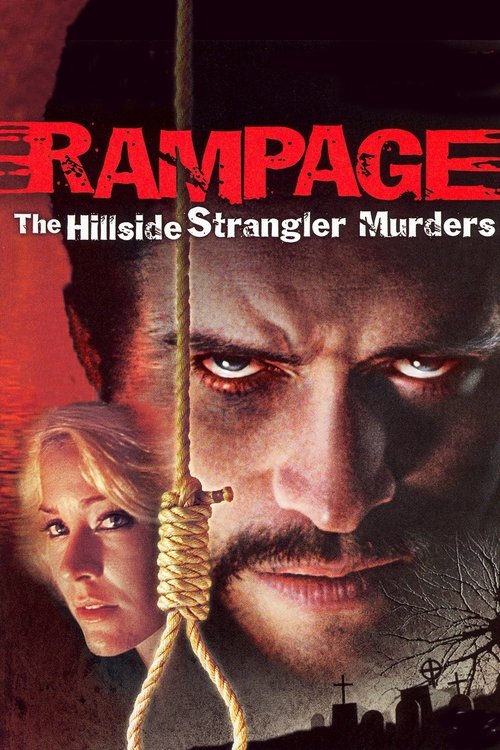
2006
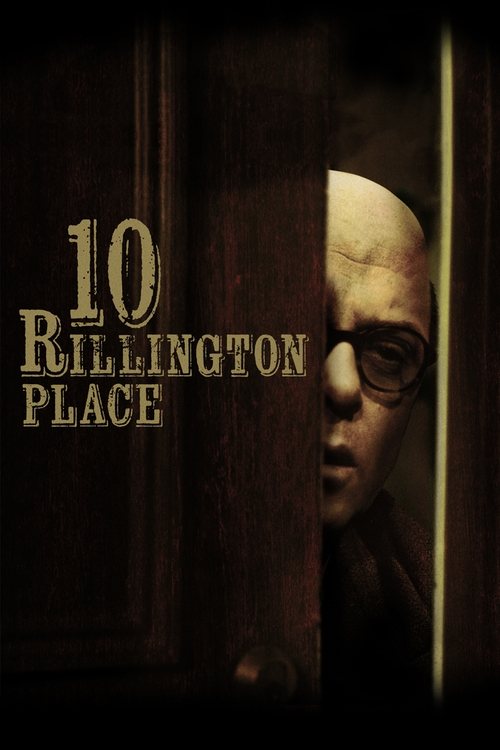
1971
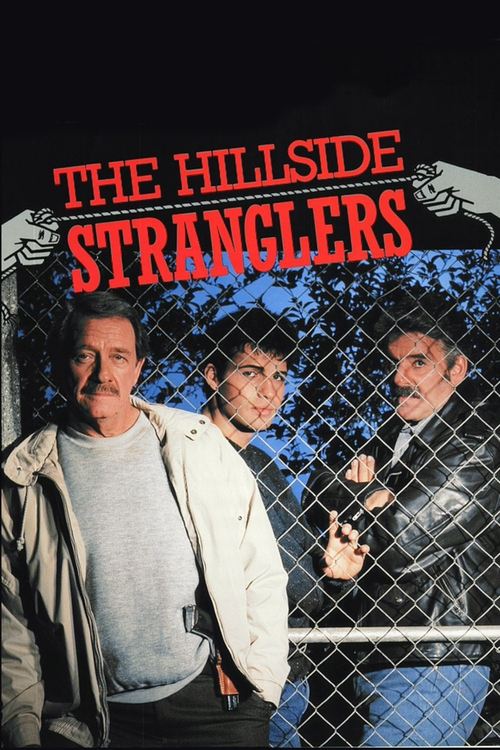
1989

2006
1989

2006
No reviews yet. Be the first to share your thoughts on this movie!
Use the rating form above to leave a star rating and optional review.