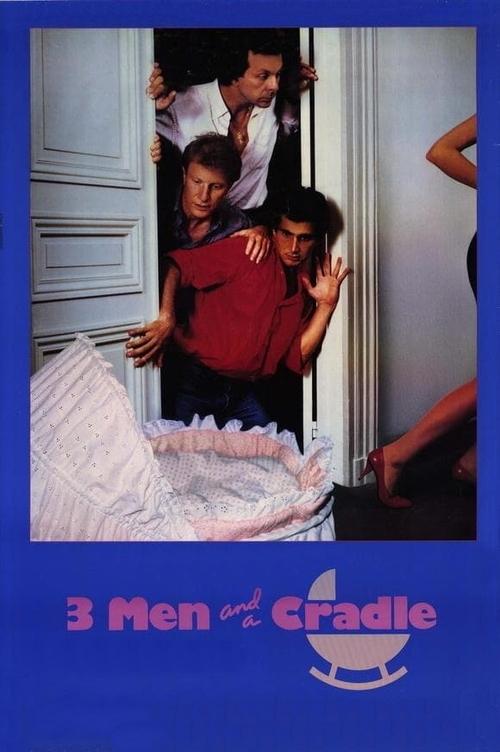
Three Men and a Cradle
1985
No user ratings available yet
Representation score: 4.5 out of 10

Representation Score
Limited
1966
TV-PGDirector
Mario Camus
Runtime
96 minutes
Average Rating
No ratings yetNew Showbiz Analysis
Mario Camus’s comedy reflects the social norms of 1960s Spain, emphasizing a stable domestic life. The narrative stays within the confines of its time, focusing on the disruption caused by an unexpected baby. The film adheres to the social structures of its era without attempting to challenge them. The work provides a glimpse into the social and demographic landscape of mid-1960s Spain but does not explore broader themes of diversity or social change.
Category Breakdown
The film focuses on unmarried siblings living together. There are no characters who represent LGBTQ+ identities or non-traditional gender expressions.
The movie highlights traditional gender roles within a family setting. It portrays typical gender dynamics without challenging these roles.
Set in rural Spain during the mid-1960s, the film reflects a homogeneous population with no visible diversity.
The story emphasizes traditional family values and social stability. It does not include narratives that question Western cultural norms.
There are no characters with visible or invisible disabilities in the film.
Present on Screen
Limited or Absent
Official Synopsis
Two unmarried siblings live together without problems until the day a friend leaves her baby in their apartment because she does not have time to take care of him.
1985
1985

1984
1987
1973

2018
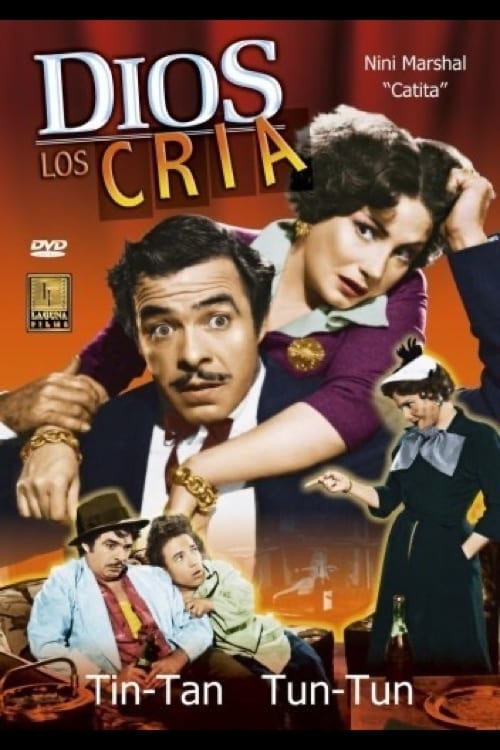
1953
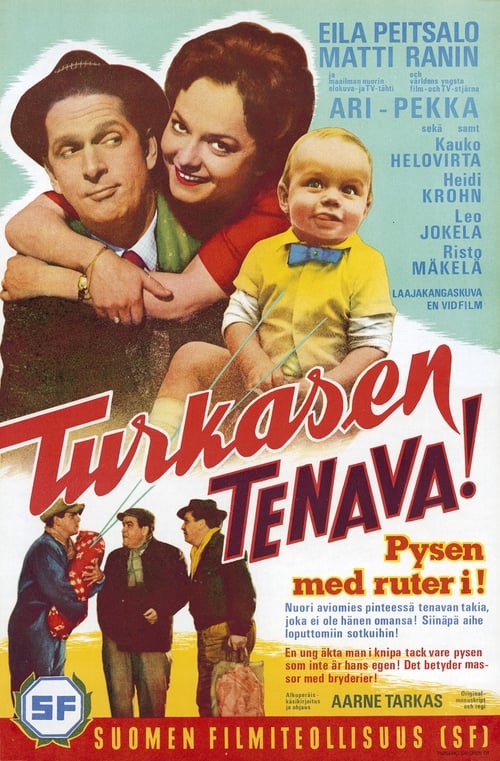
1963
No reviews yet. Be the first to share your thoughts on this movie!
Use the rating form above to leave a star rating and optional review.