
Adventures in Babysitting
1987
No user ratings available yet
Representation score: 2.3 out of 10

Representation Score
Minimal
1987
PGDirector
Leonard Nimoy
Runtime
102 minutes
Average Rating
No ratings yetNew Showbiz Analysis
3 Men and a Baby offers a modest disruption of 1980s gender norms by centering the plot on men navigating infant care and emotional vulnerability. This shift challenges the cliché of the leisure-oriented bachelor through a domestic lens. However, these gains are offset by a profound lack of diverse representation. The film is culturally and racially homogeneous, presenting a standardized Western lifestyle that excludes diverse identities and perspectives. Ultimately, the film functions as a conventional comedy that explores domesticity without challenging broader systemic power structures or social hierarchies.
Category Breakdown
The film does not include any representation of LGBTQ+ identities. Character relationships are strictly heterosexual.
The film places men in domestic caretaking roles, challenging traditional gender norms through humor rather than a critical examination of gender roles.
The casting focuses on a predominantly white, middle-class demographic, lacking significant racial or ethnic diversity.
The story centers on a Western, middle-class lifestyle without engaging with multicultural or secular perspectives.
There are no visible or invisible disabilities portrayed among the main characters. Disability is not used as a narrative device.
Present on Screen
Limited or Absent
Official Synopsis
Three bachelors find themselves forced to take care of a baby left by one of the guy's girlfriends.
1987
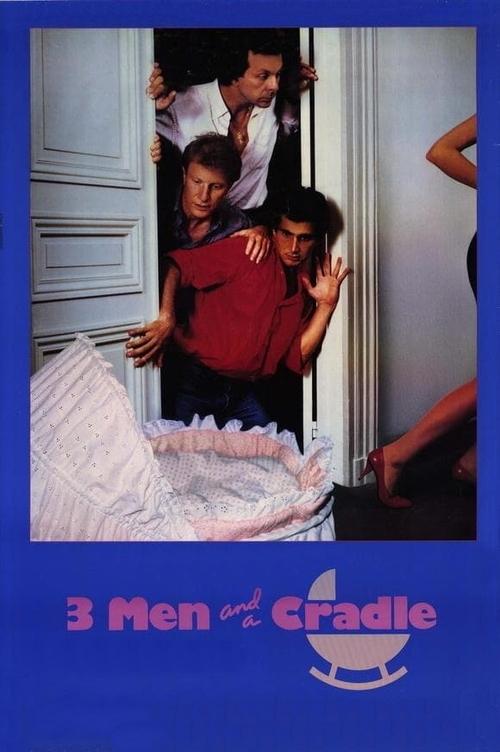
1985

2014
1961

1983

2008

2011

1981
No reviews yet. Be the first to share your thoughts on this movie!
Use the rating form above to leave a star rating and optional review.