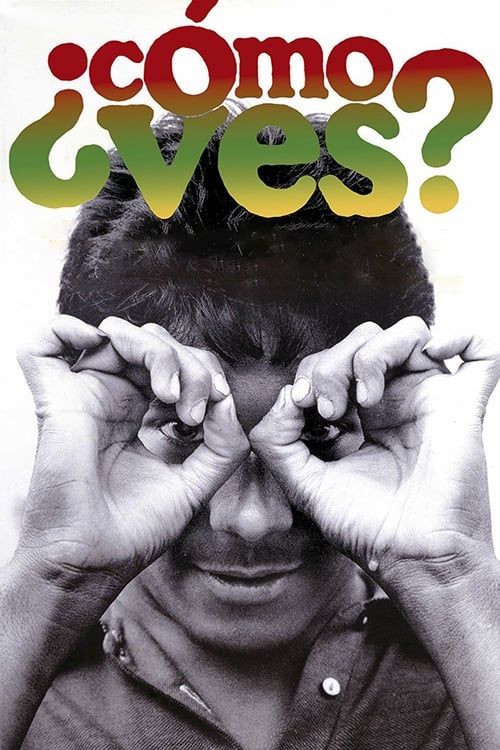
What Do You Think?
1986
No user ratings available yet
Diversity score: 5.9 out of 10
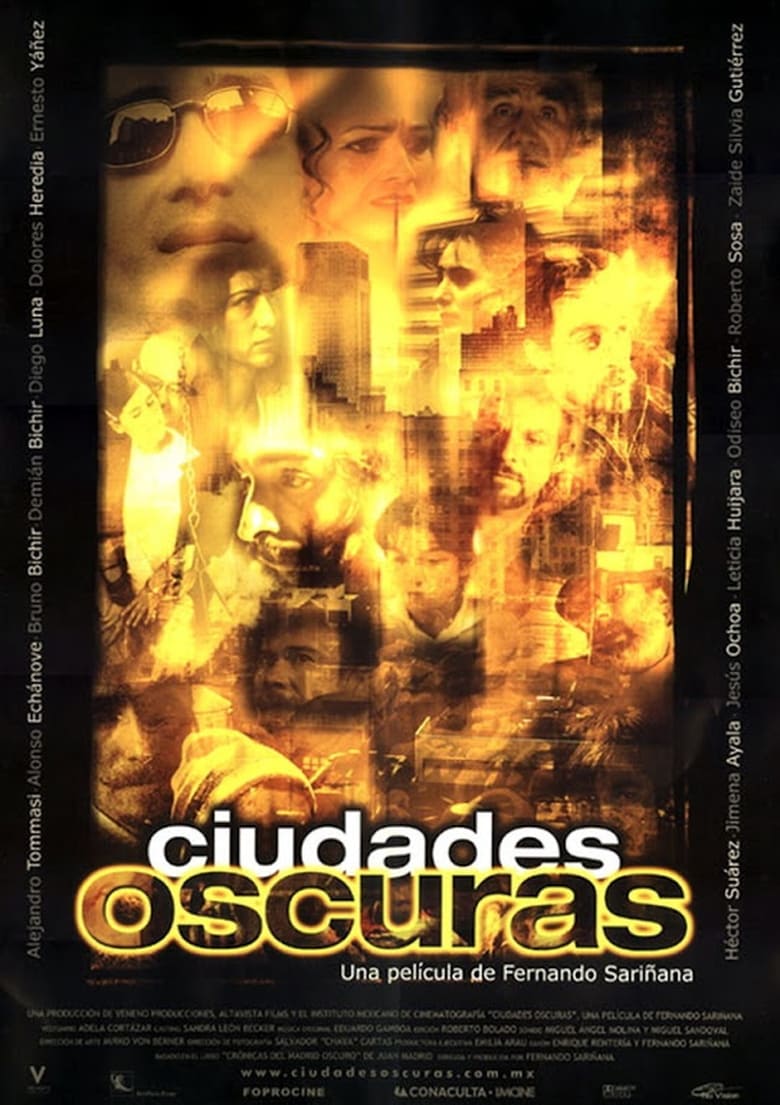
2002
Director
Fernando Sariñana
Runtime
113 minutes
Average Rating
No ratings yetSynopsis
Adapted by writer/director Fernando Sariñana from the stories by Juan Madrid, Ciudades Oscuras (Dark Cities) tells a story of interwoven lives in the seedy underbelly of Mexico City. The several different story lines concern hooker Lola (Dolores Heredia); her drug addict son Fede (Diego Luna); her friend Zeze (Zaide Silvia Gutierrez); Zeze's daughter Susana (Jimena Ayala); and junkie Vicente (Roberto Sosa). Also on the scene are two corrupt cops (Alejandro Tommasi and Jesus Ochoa) and one good cop (Odiseo Bichir), while Chicken (Hector Suarez) and Casimiro (Alonso Echanove) each tell their separate stories to the same bartender (Demian Bichir). ~ Andrea LeVasseur, Rovi
Overall Score
Good
Category Breakdown
LGBTQ+ Representation
The film lacks explicit evidence of LGBTQ+ characters or non-heteronormative identities. The narrative focuses primarily on the socioeconomic struggles of the urban underclass.
Gender Representation
Women occupy central, high-agency roles as pillars of the interwoven storylines. Characters like Lola and Zeze navigate complex survival strategies within a harsh, patriarchal landscape.
Racial & Ethnic Diversity
The film achieves high marks by authentically centering Mexican identity and the lived realities of Mexico City. It prioritizes localized, non-Western perspectives over Anglo-centric storytelling.
Religious & Cultural Diversity
The narrative critiques traditional institutions by portraying corrupt law enforcement and systemic dysfunction. It explores moral relativism through themes of addiction and socioeconomic desperation.
Disability Representation
Characters struggling with addiction are framed through social drama rather than specific explorations of disability. This approach risks using addiction as a standard plot device.
Strengths
Areas for Improvement
AI Analysis
Dark Cities is a gritty piece of regional realism that rejects sanitized depictions of national life. It succeeds by centering the marginalized voices of Mexico City's underbelly, offering a culturally specific perspective that disrupts conventional cinematic norms. The film's strength lies in its complex, intersectional view of urban life. By focusing on characters navigating systemic corruption and survival, it provides a sophisticated critique of established power structures and institutional stability. However, the film's narrow focus on socioeconomic struggle leaves little room for queer representation or specific explorations of disability. The depiction of addiction, while central to the drama, remains tied to traditional narrative tropes.
1986

1980
1991
2015
2001
2010
2019
1991
2007
2000
1969

2001
No reviews yet. Be the first to share your thoughts on this movie!
Use the rating form above to leave a star rating and optional review.