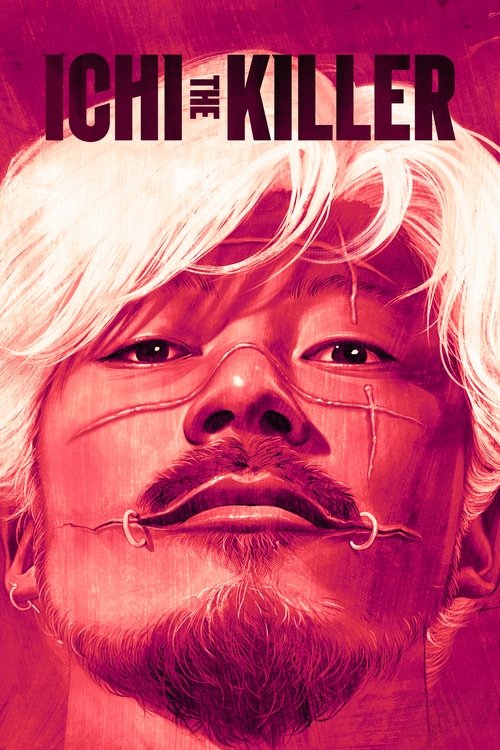
Ichi the Killer
2001
No user ratings available yet
Representation score: 8.2 out of 10
Representation Score
Good
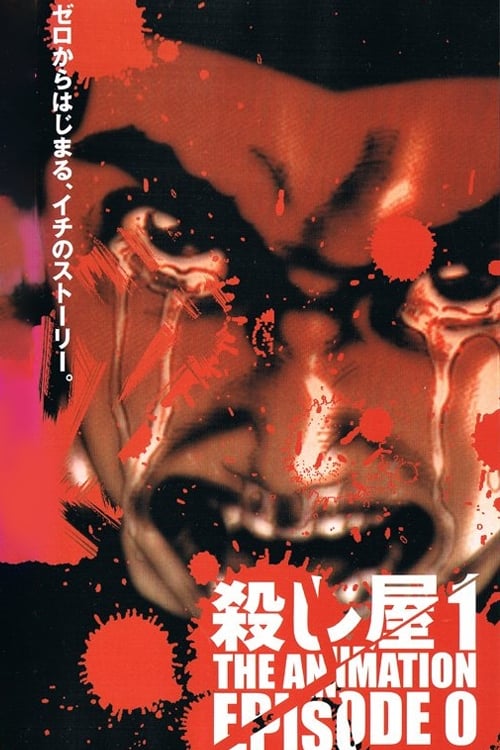
2002
Not RatedDirector
Shinji Ishihira
Runtime
47 minutes
Average Rating
No ratings yetNew Showbiz Analysis
The film operates through a 'ero-guro' aesthetic, prioritizing shocking content over traditional demographic representation. It successfully deconstructs social hierarchies and patriarchal norms, though through extreme violence and nihilism. While the film lacks diverse ethnic or queer identities, it provides a strong critique of institutional stability. It replaces traditional social structures with a world defined by psychological collapse and systemic corruption. Ultimately, the film's strength lies in its rejection of social norms rather than its inclusion of diverse groups. It is a focused, intense look at urban decay and mental instability.
Category Breakdown
The film uses sexuality mainly for psychological horror and shock. It focuses on extreme behavior rather than exploring queer identity or community.
The film deconstructs traditional masculinity by showing it through illness and physical decline. It rejects stable patriarchal roles in favor of vulnerable, self-destructive tendencies.
The setting and cast are very homogeneous, reflecting a specific Japanese underworld context. There is a lack of diverse racial backgrounds within this closed criminal subculture.
The narrative strongly opposes institutional authority, depicting family and legal systems as broken or predatory. It promotes a radical nihilism that challenges established social orders.
Mental illness and psychological instability are central to the characters' stories. While tied to a 'monster' archetype, these conditions give characters significant influence in the plot.
Present on Screen
Limited or Absent
Official Synopsis
A masochistic mobster meets his match in the dark streets of Tokyo. His nemesis, Ichi, is a psychopathic killer with an unrelenting thirst for bloodshed. A horrifying secret burns in his mind, and his hands deal death without mercy. At last, the shrouds of mystery are parted to reveal the origin of the monster. The city will know its greatest fear at the unveiling of Ichi the Killer.
2001
1998
2008
1988
2010
2008
2000
2018
No reviews yet. Be the first to share your thoughts on this movie!
Use the rating form above to leave a star rating and optional review.