Deep Sleep
2013
No user ratings available yet
Representation score: 4.2 out of 10
Representation Score
Limited
2010
Not RatedDirector
Kim Jee-woon
Runtime
144 minutes
Average Rating
No ratings yetNew Showbiz Analysis
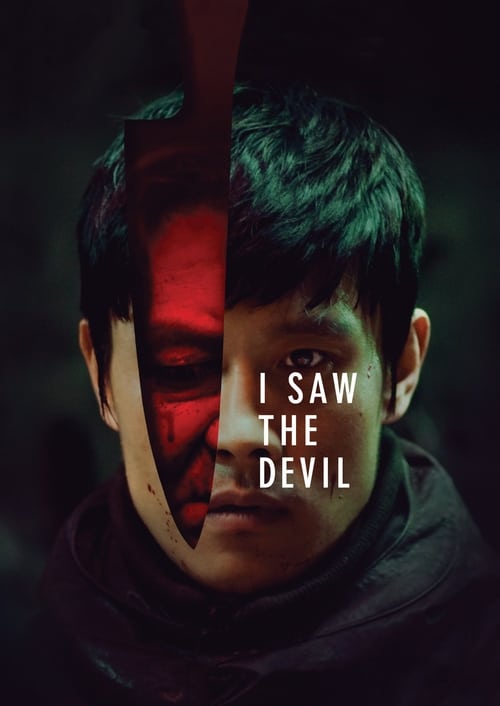
I Saw the Devil is a visceral exploration of psychological degradation that prioritizes genre subversion over demographic inclusivity. The narrative focuses heavily on the intense, violent struggle between two male leads, which limits the scope of gender and identity representation. While the film lacks diversity in terms of LGBTQ+ presence and multicultural casting, it finds depth in its cultural critique. It challenges traditional notions of justice and state authority by replacing them with a destructive, personal cycle of vengeance. Ultimately, the film functions as a specialized study of moral bankruptcy. It trades broad social representation for a concentrated, dark look at the erosion of the human soul.
Category Breakdown
The film follows a structure that assumes everyone is straight or cisgender. The central emotional driver is a traditional romantic relationship involving the protagonist's fiancée.
The story operates within a framework that centers on male conflict. Female characters primarily serve as passive plot catalysts through their victimization.
As a localized South Korean production, the cast is largely homogeneous. It offers a culturally specific experience rather than a multicultural one.
The film excels by deconstructing Western moral frameworks. It uses moral relativism to blur the lines between hero and villain.
There is no meaningful representation of neurodivergence or physical disability. Psychological trauma is treated as a plot symptom rather than an identity.
Present on Screen
Limited or Absent
Official Synopsis
Kyung-chul is a dangerous psychopath who kills for pleasure. Soo-hyeon, a top-secret agent, decides to track down the murderer himself. He promises himself that he will do everything in his power to take vengeance against the killer, even if it means that he must become a monster himself.
2013
2007
2006

2012
2015
2008
2016
2011
No reviews yet. Be the first to share your thoughts on this movie!
Use the rating form above to leave a star rating and optional review.