The Girlfriend
1989
No user ratings available yet
Representation score: 6.5 out of 10
Representation Score
Good
1987
Director
Alejandro Doria
Runtime
98 minutes
Average Rating
No ratings yetNew Showbiz Analysis
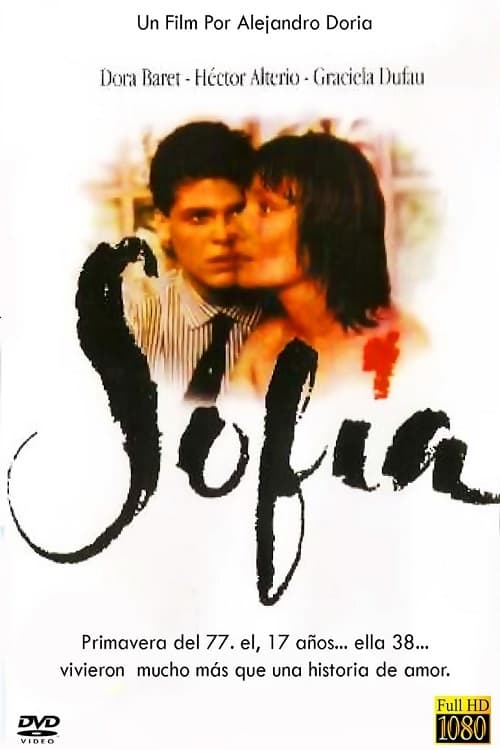
Sofía is a sophisticated drama that uses personal romance to critique systemic oppression. It centers a Southern Cone perspective, providing a necessary counter-narrative to Western-centric cinematic clichés. The film effectively uses the tension between individual ability to act and state authority to drive its emotional and political stakes. However, the film's representation of non-normative identities is limited. While it challenges age-based social hierarchies, it remains focused on a heterosexual dynamic. Additionally, the lack of disability representation prevents a more comprehensive exploration of diverse human experiences.
Category Breakdown
The film explores a May-December relationship, challenging conventional age-based social hierarchies and norms. While the main couple is heterosexual, the story questions traditional age dynamics.
Sofía is a proactive protagonist whose political history drives the plot. Pedro's character arc shifts from a student and son to an emotionally driven subversive, breaking traditional roles.
The narrative offers a localized, non-Anglo-centric perspective centered in Argentina. It prioritizes a Southern Cone viewpoint, challenging Western cinematic clichés by focusing on Global South socio-political struggles.
The film critiques conservative hegemony and oppressive state institutions. It frames political subversion and individual defiance as necessary responses to systemic injustice and corruption.
There are no central depictions of physical or neurodivergent disabilities. Sofía’s physical weakness is a temporary consequence of starvation and exhaustion, not a character-driven disability.
Present on Screen
Limited or Absent
Official Synopsis
Set amidst a backdrop of political unrest and oppression in Argentina following the coup of the late 1980s, this impressive drama dwells upon a May-December love affair between a boy and a woman suspected of political subversion. When seventeen-year-old Pedro defiantly befriends political fugitive Sofia and provides her shelter, he creates a deep rift between himself, his family and his friends. Sofia is hunted because she was at one time in love with a Communist sympathizer. At first the relationship is purely platonic as Pedro helps her recover from a 23-day long flight that has left Sofia weak and starving for sleep. But as time passes, Pedro becomes increasingly involved with her and his schoolwork begins to suffer. Gradually he falls in love with her and she with him. But as the political situation grows more oppressive and the government steps up its search for subversives, the two begin making desperate plans to flee the country.
1989
1985

1987
2004

1994

1985

2002
1988
No reviews yet. Be the first to share your thoughts on this movie!
Use the rating form above to leave a star rating and optional review.